
Maintaining good dental care for your kids isn’t just about preventing cavities. Proper oral hygiene can have far-reaching benefits that influence various aspects of their lives. Ensuring your children develop good dental habits early on sets them up for a lifetime of health advantages. Here are seven surprising benefits of dental care for kids that you might not have considered.
1. Enhances Overall and Oral Health
Ensuring your child maintains good dental care habits significantly boosts both their overall and oral health. Neglecting oral hygiene can lead to several health issues beyond just cavities and gum disease. Pediatric dental care offers specialized expertise and preventive measures tailored to your child’s unique needs. This ensures a strong foundation for lifelong wellness. Promoting regular brushing, flossing, and dental check-ups prevents dental problems and diminishes the risk of systemic illnesses linked to poor oral health.

2. Boosts Self-Esteem and Confidence
A bright, healthy smile can significantly boost your child’s self-esteem and confidence. Kids with good dental hygiene are more likely to smile and interact confidently with others. This positive self-image can help them build better relationships and perform well in social and academic settings.
- Improves Social Interactions: Children with healthy smiles are likelier to engage in social activities and form positive peer relationships. A confident smile can make them feel more approachable and accepted, leading to better social interactions in school and extracurricular settings.
- Facilitates Academic Success: Research suggests that children with higher self-esteem tend to perform better academically. When children possess strong self-esteem, they are more inclined to engage actively in class, ask questions, and embrace challenges. This boost in confidence can enhance their concentration and motivation, often resulting in better academic performance.
- Promotes Positive Body Image: A healthy smile significantly enhances a child’s body image, which is essential for their mental well-being. Children who are content with their appearance are less prone to experiencing body dissatisfaction, and this satisfaction helps prevent the development of negative attitudes toward their bodies.
- Prevents Bullying and Teasing: Unfortunately, dental issues such as crooked teeth or bad breath can become targets for bullying or teasing among children. By ensuring your child maintains good dental health, you’re helping protect them from potential sources of embarrassment or ridicule.
3. Improves Speech and Language Development
Proper dental care can improve your child’s speech and language development. Teeth play a critical role in forming sounds and pronouncing words correctly. Regular dental check-ups ensure that teeth are growing properly and address any issues that might interfere with clear speech, supporting better communication skills.
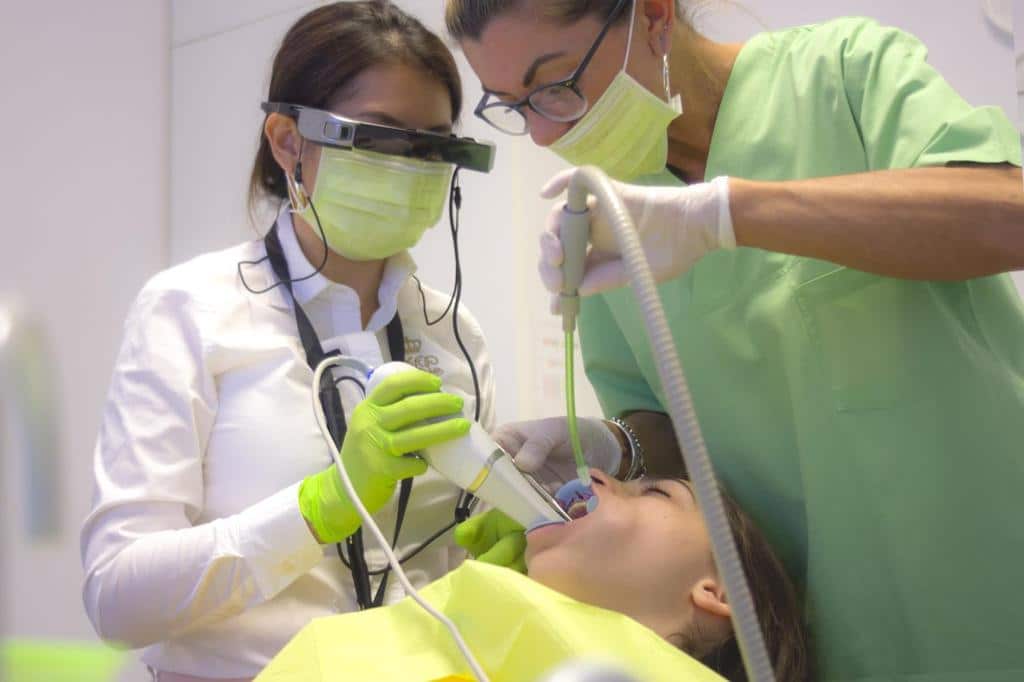
4. Prevents Pain and Discomfort
Regular dental care is essential for preventing the pain and discomfort that comes with tooth decay and gum disease. Keeping their teeth and gums healthy spares your child from the agony of toothaches and the necessity of invasive dental treatments. This approach leads to fewer missed school days and ensures a happier, more comfortable child.
- Promotes Better Sleep: Dental issues such as toothaches can significantly disrupt your child’s sleep patterns, leading to irritability and fatigue during the day. Ensuring proper dental care can prevent these painful disruptions, allowing your child to enjoy restful sleep and wake up refreshed.
- Aids in Concentration: Pain from dental problems can make it difficult for children to focus and concentrate in school. Chronic discomfort can lead to distraction, decreased academic performance, and even behavioral issues. Addressing dental issues early on can help your child maintain better focus and concentration in their studies and other activities.
- Supports Emotional Well-Being: Dental pain can take a toll on your child’s emotional well-being, causing stress, anxiety, and even depression in severe cases. By preventing dental problems through regular care, you can safeguard your child’s emotional health and promote a positive outlook on life.
- Fosters Positive Dental Experiences: Early experiences with dental pain can create negative associations that last a lifetime, leading to dental anxiety and avoidance of dental care. By prioritizing preventive dental care, you can help your child develop positive associations with dental visits, reducing fear and ensuring they maintain good oral health habits throughout their lives.
5. Encourages Healthy Eating Habits
Healthy teeth and gums facilitate your child’s ability to chew a wide range of foods, promoting a balanced diet. Proper dental care ensures they can enjoy nutritious options like fruits and vegetables, which are vital for their growth and development. On the other hand, dental issues might cause picky eating and dependence on softer, less nutritious foods.

6. Reduces Future Dental Costs
Investing in your child’s dental care now can save you significant costs in the future. Preventive care and early intervention can avoid the need for expensive treatments down the line. Regular check-ups and cleanings help detect problems early, allowing for simpler and more cost-effective solutions.
- Preventive Measures: Regular dental check-ups and cleanings enable dentists to identify issues early, such as cavities or misalignments. These can be managed before they escalate into more severe and costly problems. By addressing concerns promptly, you can avoid extensive treatments like root canals or dental implants, which can incur significant expenses.
- Education and Awareness: Dental care for kids also involves educating them about proper oral hygiene practices. Teaching children to brush and floss correctly from a young age can effectively prevent plaque and bacteria buildup. This practice significantly reduces the risk of cavities and gum disease.
- Orthodontic Intervention: Early orthodontic evaluations can identify potential tooth alignment or jaw development issues. Addressing these concerns during childhood can often avoid the need for more invasive orthodontic treatments later in life, such as braces or oral surgery.
- Preventing Complications: Neglecting dental care can lead to complications that require complex and expensive interventions. For example, untreated cavities can become infections, necessitating root canals or tooth extractions.

7. Instills Lifelong Habits
Teaching your child the importance of dental care establishes lifelong habits that will benefit them well into adulthood. Children who learn to brush, floss, and visit the dentist regularly are more likely to maintain these practices as they grow older. These habits contribute to long-term oral health and overall well-being.
Role of Dental Care in Your Child’s Well-Being
Proper dental care for kids is about more than just a clean mouth. It can enhance their overall health, boost self-esteem, aid in speech development, prevent pain, encourage healthy eating, reduce future dental costs, and instill lifelong habits. By prioritizing your child’s dental care, you’re investing in their health and happiness for years to come. Make dental hygiene a fun and integral part of your child’s daily routine, and watch them flourish with a bright, confident smile.


