
If you don’t regularly maintain your AC, it won’t function as efficiently. If you’re experiencing uneven temperatures in your home, with one room feeling freezing and another feeling excessively hot, it could be a sign that your system needs maintenance. Due to regular wear-and-tear on components and dust accumulation within the system, your air conditioner may lose its efficiency in providing cooling. Overall, that results in a less cozy living space for you and your family.

Understanding the Importance of Regular Maintenance
Regular air conditioning (AC) system maintenance is vital for efficient operation and long-term performance. An air conditioner dripping water or poor cooling performance shows that the unit must be appropriately maintained. Refraining from maintaining routine maintenance can lead to many problems, including diminished cooling capacity, increased energy bills, and a higher likelihood of costly breakdowns and repairs. Fortunately, you can take several simple steps to keep your AC running smoothly, ensuring optimal comfort and efficiency throughout the year. These steps will help you avoid many common issues and extend the lifespan of your air conditioner.

Cleaning or Replacing the Air Filter
One of the most straightforward yet essential tasks for maintaining your AC is cleaning or replacing the air filter. A blocked or unclean filter can block airflow and decrease the system’s effectiveness, resulting in increased energy usage and lower air quality. The air filter is essential for capturing dust, dirt, and other particles in the air to stop them from spreading in your home and building up in the AC system. It is typically advised to clean or change the filter every one to three months, depending on the filter type and your AC usage frequency. Households with pets or people with allergies may need more frequent maintenance to ensure high indoor air quality.
How to Clean or Replace an Air Filter:
- Turn off the AC unit to ensure safety.
- Locate the air filter compartment near the return air duct or the air handler unit.
- Remove the old filter and inspect it for dirt and dust buildup.
- If the filter is reusable, clean it with water and a mild detergent, then allow it to dry completely before reinstalling it. If the filter is disposable, replace it with a new one of the same size and type.
- Reinstall the clean or new filter and turn the AC back on.
Regularly changing the air filter can enhance the performance of your AC unit, guaranteeing it runs efficiently and effectively.
Inspecting the Thermostat
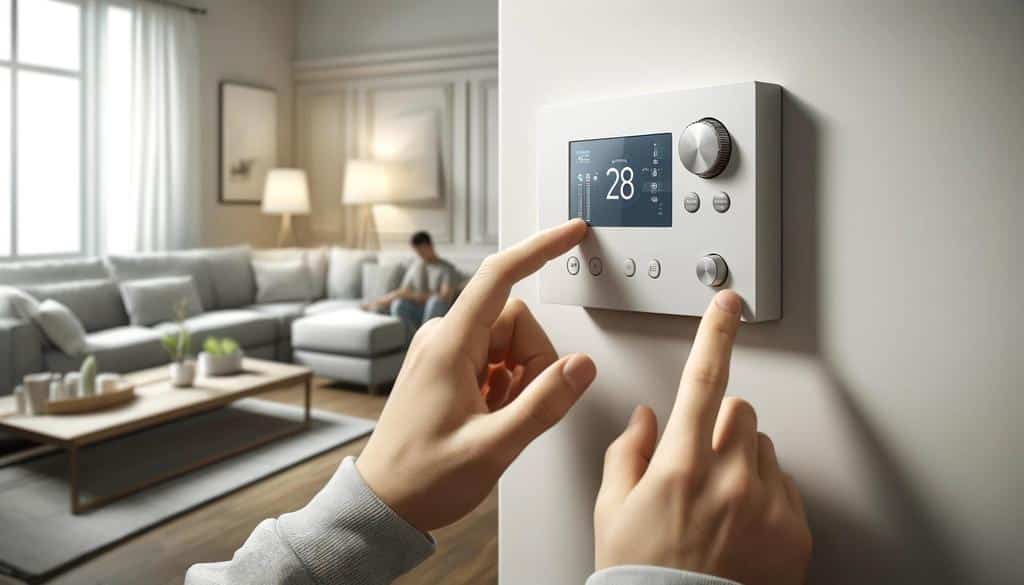
Your thermostat acts as the control center for your air conditioning system. A malfunctioning thermostat can lead to inconsistent temperatures, inefficient operation, and wasted energy. It is essential to ensure your thermostat is functioning correctly and to control the temperature in your home accurately. Regularly inspecting and calibrating your thermostat can help you avoid these issues and maintain a comfortable indoor environment.
Consider transitioning to a programmable or intelligent thermostat for better monitoring and effectiveness. These advanced thermostats offer remote access, scheduling, and adaptive learning, allowing you to optimize your cooling settings and save energy without sacrificing comfort.
Steps to Check Your Thermostat:
- Verify the temperature settings are correct and consistent with your desired comfort level.
- Look out for any error messages or abnormal activity, like if the thermostat doesn’t activate the AC when necessary.
- Replace the batteries if it is a battery-operated unit, as low batteries can cause operational issues.
- Calibrate the thermostat if necessary, following the manufacturer’s instructions to ensure accurate temperature readings.
Inspecting and maintaining your thermostat can improve energy efficiency and make your home more comfortable.

Upgrading Your Unit
If your AC system is more than 10 to 15 years old, it might be time to consider a replacement. Homeowners looking for better energy efficiency and targeted cooling often explore ductless mini split installation as a smart upgrade option that modernizes their setup without extensive renovation. These newer systems are not only quieter and more compact but also come with advanced features like programmable thermostats and zoned temperature control. By upgrading to a modern unit, you’ll enjoy more consistent cooling, lower utility bills, and fewer repair headaches down the road.
Checking and Cleaning Condenser Coils
The outdoor condenser unit in your AC system is essential as it releases heat absorbed from inside your home. Over time, the condenser coils can accumulate dirt, dust, and debris, hindering their ability to dissipate heat and reducing the system’s cooling capacity. Consistently checking and cleaning the condenser coils can ensure optimal functioning and avoid placing extra stress on the AC system. Maintaining the condenser coils is easy but can significantly affect how efficiently your AC system operates. Use a gentle brush or coil cleaner from the store to remove dirt and debris from the coils. Additionally, ensure the area around the outdoor unit is clear of obstructions such as vegetation, leaves, and other debris that can impede airflow. Keeping the condenser coils clean can help your AC system operate more efficiently, reduce energy consumption, and prolong the unit’s life.
Examining the Refrigerant Levels
Decreased levels often signify a leakage that requires expert assistance. However, you can check for signs of low refrigerant yourself. If you notice your AC blowing warm air or the unit is constantly running, it might be low on refrigerant.
Signs of Low Refrigerant:
- AC needs to be cooling more effectively.
- Hissing or bubbling noises from the unit.
- Ice buildup on the refrigerant lines.
Refrigerant levels should ideally be checked and adjusted by a certified HVAC technician, as handling refrigerants requires specialized equipment and expertise. Address a refrigerant leak promptly to prevent additional damage to your AC system and ensure adequate cooling. In many cases, technicians may also inspect the unit’s compressor, making it useful for homeowners to know where to source reliable compressor parts and supplies when replacements are needed.

Cleaning the Evaporator Coil
The indoor unit’s evaporator coil soaks up heat from the air inside your home. Cleaning the evaporator coil is crucial for maintaining your AC’s efficiency and providing consistent cooling. Frequently checking and maintaining the evaporator coil can prevent problems like airflow reduction, ice accumulation, and decreased cooling efficiency.
Be cautious when cleaning the coils with a soft brush or mild detergent to avoid damage to the delicate fins. It is typically recommended to clean the evaporator coil at least once a year or more frequently if you use your AC heavily or live in a dusty environment. Maintaining a clean evaporator coil can improve your AC system’s efficiency and performance, ensuring reliable cooling when needed.
Ensuring Proper Drainage
AC systems generate condensation, which must be drained away correctly to prevent water damage and increased indoor humidity levels. Regularly checking the drain channels and ensuring they are not clogged can help avoid water leaks, mold growth, and unpleasant odors. Maintaining a clean and clear drain is crucial, as a clogged one can cause significant issues.
You can explore simple DIY air conditioner maintenance tips for more detailed tips on AC maintenance.
- Inspect the drain pan and pipes for signs of blockage or damage.
- Use a wet/dry vacuum or a plumbing snake to clear any clogs in the drain line.
- Consider installing a condensate pump if your AC is located in a basement or other area where gravity drainage is difficult.
Proper drainage maintenance can help prevent water-related issues and ensure your AC system continues to operate efficiently and effectively.

Scheduling Professional Inspections
While self-maintenance is essential, it is equally important to utilize AC repair services to have your system professionally inspected at least once a year. A qualified technician can identify and fix complex issues, ensuring your system runs efficiently. This can avoid expensive repairs and prolong the life of your air conditioner.
During a professional inspection, the technician will thoroughly check all components, including the refrigerant levels, electrical connections, and overall system performance. They can offer helpful guidance on enhancing your AC’s performance and handling possible issues before they escalate into significant problems.
By incorporating routine self-care with expert check-ups, you can keep your AC unit in top shape, ensuring consistent comfort and efficiency for the long haul.

