
Creating a sustainable backyard sanctuary is not just a trend; it’s an exciting opportunity to connect with nature while making a positive impact on the environment. Imagine stepping outside to a vibrant haven filled with flourishing plants, the cheerful sounds of birds, and the gentle buzz of beneficial insects.
An eco-friendly outdoor space offers the chance to explore diverse gardening techniques, get your hands dirty, and cultivate a flourishing ecosystem right at your doorstep. Not only does this creative endeavor enhance your outdoor living area, but it also contributes to a healthier planet.
Building a sustainable backyard is fun and empowering. You can experiment with growing your own fruits, vegetables, and herbs, which not only reduces your carbon footprint but also provides fresh produce for your meals. Embracing native plants and wildlife-friendly features invites a variety of creatures to call your garden home, fostering a sense of community among the local wildlife.
Eco-conscious landscaping can be a wonderful project for the whole family, providing opportunities to teach kids about responsibility, nature, and the importance of conserving our natural resources. Your backyard can become a lively, educational space that’s as enjoyable for you as it is beneficial for the environment.
Edible Gardens
Growing food in the backyard significantly contributes to environmental sustainability. It reduces resource waste and minimizes the reliance on harmful pesticides. Cultivating organic produce also offers health benefits. There is no need for an expansive farm to grow food; even a small space can yield delicious ingredients for the kitchen. Options such as a vertical herb garden, a fruit tree orchard, or various crops of fruits and vegetables can create an attractive and productive landscape.
To further decrease resource waste, rainwater harvesting and greywater recycling can be implemented to irrigate gardens effectively. Utilizing repurposed or recycled natural materials for fencing and trellises supports healthy plant growth. Moreover, choosing natural fertilizers and pesticides avoids harmful chemicals. Maintaining a supply of home-grown food provides both nutrition and convenience, making it easier to enjoy fresh, healthy meals.
Recycled Water Features
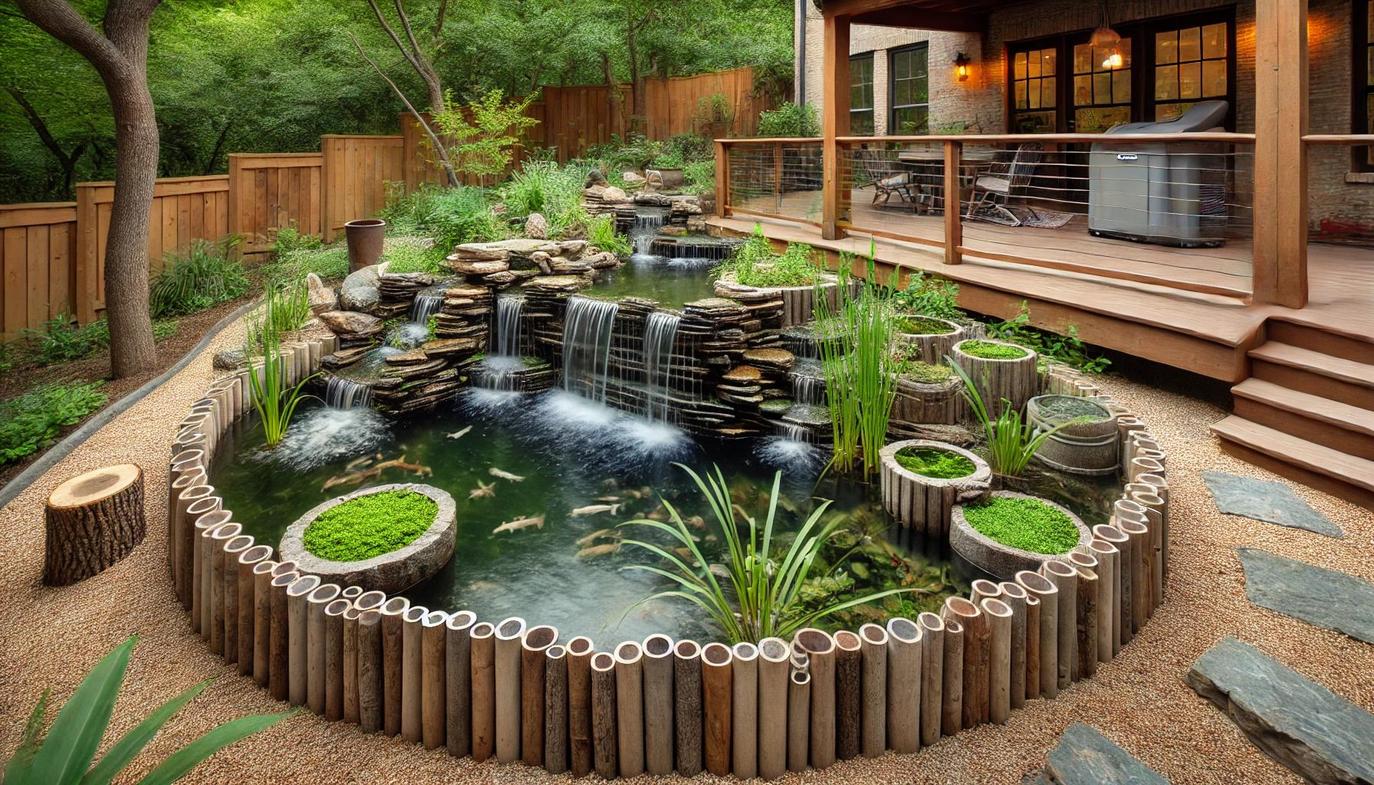
Water features such as fish ponds, deer scares, and fountains can enhance the aesthetics of a relaxing backyard. However, many of these designs often rely on synthetic materials, harmful chemicals, or waste significant amounts of water. To promote sustainability, it is essential to choose or create water features that recycle water effectively. Utilizing systems that harness harvested rainwater or recycled water minimizes waste.
When selecting fountains or water features, consider those made from natural materials such as stone, metal, or bamboo. If incorporating fish or aquatic plants, ensure that they benefit the local ecosystem and are not invasive species. For water features that require electricity, opt for solar-powered or energy-efficient alternatives when available. This mindful approach not only preserves resources but also enriches the backyard environment.
Repurposed Yard Decor
Landscaping significantly enhances the visual appeal of any yard, while decor introduces flair and character to gardens and patios. Natural elements, such as plants and stones, serve as excellent decorative features. However, there is no need to restrict options when it comes to expressing personal style in outdoor spaces. Utilizing decor crafted from natural and repurposed materials creates a unique and eco-friendly aesthetic.
Incorporating reused metal, repurposed wood, and recycled rubber minimizes resource waste associated with purchasing new decorations. Creative individuals can take these materials and craft their own decorative items. For example, an old spare tire can be transformed into an attractive planter, while used cans can be fashioned into engaging wind chimes. Embracing this approach encourages creativity and contributes to a sustainable outdoor environment.

Eco-Friendly Pool Designs
Many homeowners assume that installing a pool conflicts with the desire for sustainable living. However, advancements in pool technology now offer a variety of sustainable and environmentally friendly designs. These innovative pools significantly reduce both water waste and chemical usage, creating a system that benefits both the owner and the environment.
Modern pool designs can effectively utilize rainwater or greywater recycling, which minimizes water waste. When equipped with a proper filtration system, this recycled water becomes clean and safe for swimming. Additionally, pool features such as solar covers help to reduce evaporation, further conserving precious water resources.
To maintain a clean pool while adhering to eco-friendly principles, it is essential to reduce or eliminate the use of harsh chemicals that can harm the environment. Natural and organic pool maintenance supplies provide safer alternatives without the negative impact associated with traditional chemicals.
Furthermore, energy-efficient pumps and filters consume less electricity, while solar or wind energy can serve as clean power sources for these systems. Engaging with a local swimming pool builder can provide insights into eco-friendly pool designs, pumps, filters, and chemical options. By adopting these sustainable practices, enjoyment of a refreshing swimming experience can occur without compromising environmental integrity. Swimming without harsh chemicals also contributes to better health and well-being.
Solar Lighting
Designing an outdoor space for nighttime enjoyment can create an inviting atmosphere. Proper lighting is essential for making the patio functional and appealing. While traditional artificial lighting can be wasteful, implementing sustainable practices offers an effective way to illuminate the yard.
Installing solar-powered lights provides an excellent solution. These lights are widely available at various retailers and come in multiple styles and price ranges. Smart solar lights harness the sun’s energy and operate only when needed, which helps to keep energy costs low. Additionally, LED bulbs are a durable and energy-efficient option, boasting a longer lifespan than conventional bulbs.
String lights, lampposts, and garden spotlights enhance safety while navigating through the garden and patio. In colder months, a natural fire pit serves as a source of warmth and light, creating a cozy atmosphere without harming the environment. Embracing these sustainable lighting options not only enhances outdoor spaces but also supports eco-friendly practices.
Native Landscaping
Selecting the appropriate landscaping styles and plants for a yard requires careful consideration of the local ecosystem. Not all plants are suited to every climate; many may struggle or perish in extreme temperatures or varying humidity levels. Additionally, some plant species are invasive and can overtake native vegetation, disrupting the natural environment and food chain.
Certain plants are toxic to local wildlife, and introducing non-native species can lead to significant ecological problems. It is advisable to focus on native plant species that naturally thrive in the local environment without causing harm to other organisms. Native plants come in a variety of colors, sizes, and styles, appealing to a diverse audience. Moreover, utilizing native plants typically conserves resources, as they are better adapted to flourish within the yard’s existing conditions. This approach not only supports local biodiversity but also enhances the overall sustainability of the landscape.

Building a Sustainable Future Together
Creating a sustainable backyard is an achievable goal that benefits both the environment and your well-being. As you implement eco-friendly practices, you contribute to reducing waste, conserving resources, and supporting local ecosystems. From planting native species to installing energy-efficient lighting, each decision you make has a positive impact on the planet.
Starting sustainable gardening and landscaping practices helps foster a deeper connection with nature. By growing your own food, you gain access to fresh, organic produce while minimizing your carbon footprint. Incorporating water-saving features, such as rain barrels and permeable paving, enhances your backyard’s resilience and reduces water consumption.
Remember that every small effort counts. Encourage your friends and family to adopt similar practices in their outdoor spaces, creating a ripple effect of positive change in your community. By sharing your knowledge and experiences, you help raise awareness about the importance of sustainability and inspire others to follow your lead.
Ultimately, a sustainable backyard not only provides a tranquil space for relaxation and recreation but also serves as a testament to your commitment to environmental stewardship. By prioritizing sustainability in your outdoor design, you are investing in a healthier planet for future generations. Embrace the journey, and enjoy the many rewards that come from crafting a more sustainable living environment.


