
A recent study by scientists at the Medical College of Georgia (MCG) and Augusta University found that baking soda (aka sodium bicarbonate) lowers your spleen’s inflammatory immune response. By creating an anti-inflammatory environment in the spleen, this common ingredient found in your kitchen cupboard becomes a potential answer to treating autoimmune diseases like rheumatoid arthritis. The study suggests that drinking it daily may reduce the inflammation that can result in autoimmune conditions (when the immune system mistakenly attacks healthy cells).
The research revealed that when rats and healthy people consumed a baking soda solution (water and sodium bicarbonate) for two weeks, it triggered their stomachs to create more acid, thus helping them to digest their next meal. In addition, the researchers noticed that the baking soda appeared to signal the spleen’s mesothelial cells (which protect organs with a slippery, protective surface). This effect made it so that the fist-sized organ didn’t need to go into a reactionary response. The study has been published in the Journal of Immunology.
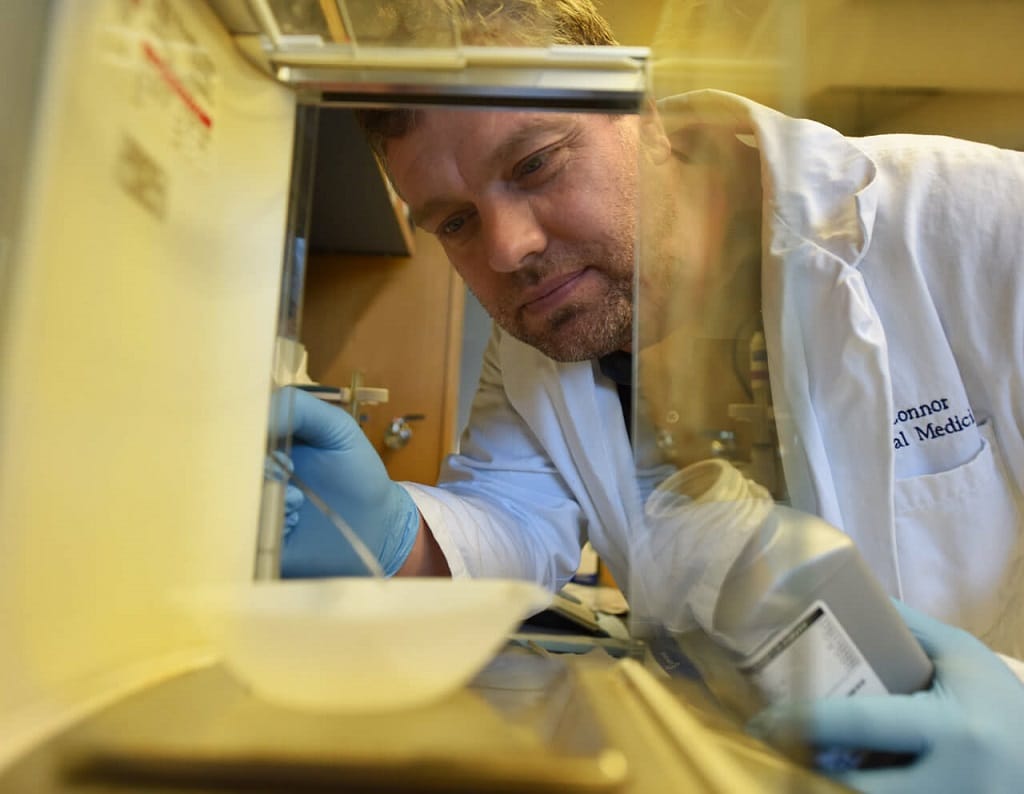
Triggering the mesothelial cells is good because they prevent your organs from rubbing together. Rubbing causes inflammation and therefore triggers your immune system to respond to perceived invasion by a foreign substance; however, in the case of autoimmune disease, it’s another organ. What this all means is that drinking baking soda helps your mesothelial cells to tell your spleen to reduce its immune response.
Drinking the baking soda solution also changed the concentration of macrophages so that they were more anti-inflammatory overall. Macrophages are the white blood cells of the immune system that devour foreign invaders.
The scientists also noticed a change in other immune cells as a result of baking soda. For instance, there appeared to be more T cells in the body, which decrease immune response and protect the immune system from self-attack.
Dr. Paul O’Connor, a renal physiologist in the MCG Department of Physiology at Augusta University and corresponding author of the new study, said:
“The shift from inflammatory to an anti-inflammatory profile is happening everywhere. We saw it in the kidneys, we saw it in the spleen, now we see it in the peripheral blood.”
All of these changes lasted for four hours in people consuming the baking soda solution. In rats, the changes lasted three days. And although the study participants were all healthy, O’Connor said he hopes that someday drinking baking soda will yield similar results for people suffering from autoimmune diseases.
Dr. O’Connor said:
“You are not really turning anything off or on, you are just pushing it toward one side by giving an anti-inflammatory stimulus. It’s potentially a really safe way to treat inflammatory disease.”
If you are interested in drinking baking soda it is best taken on an empty stomach, though should not be taken in the morning. If you take baking soda with food, undigested protein molecules can leak into your gut so aim to take it midday — one hour before lunch — or one hour after your evening meal.
You should start the dose at just 1/8 teaspoon and work up to 1/4 teaspoon. You’ll know you’ve overdone it if you get short of breath or your heart is racing after drinking it. Don’t drink it if your blood is already alkaline because, if it is and you take too much baking soda, it can cause harmful side effects, even a heart attack or alkalosis.
Have a doctor check your sodium levels before you start drinking baking soda if you are not sure. Ideally, your potassium, magnesium, and sodium levels should all be balanced with each other. Another caution: If you’re taking supplements or thyroid medication, you might not absorb the medicine as well.


