
Fishing transcends mere recreation; it’s a legacy linking generations, a sustenance for many, and a cherished way to embrace nature. Yet, the essence of fishing hinges on the purity of our water bodies. America is home to stunning fishing locales, yet some waters are marred by toxins while others remain untouched sanctuaries.
Contaminated waters harbor perils such as harmful algal blooms (HABs), which produce dangerous toxins affecting aquatic life, humans, and animals. In Utah, the rise of HABs has led to health hazards and closures of affected sites. Nationwide, the U.S. Environmental Protection Agency stresses how human activities and climate change fuel these blooms, necessitating diligent water quality checks. In Louisiana, mercury contamination poses a grave concern, with warnings against consuming fish from certain areas due to mercury’s neurotoxic impacts on human health, particularly in children and pregnant women.
These instances highlight the crucial need for vigilance and intervention to preserve our water bodies. Knowing the quality of your fishing waters goes beyond the catch; it’s vital for health and ecological balance. This exploration will traverse the spectrum from the most polluted to the purest fishing waters in the United States, investigating their histories, current status, and potential futures.

The Dark Side: Toxic Waters
1. Harmful Algal Blooms in Utah
Utah, celebrated for its expansive landscapes and picturesque lakes, faces a significant threat from harmful algal blooms (HABs). Cyanobacteria, responsible for these blooms, turn water green or blue-green, making it hazardous for humans and animals due to the toxins they emit. Exposure to these toxins can lead to severe health issues like skin rashes, respiratory problems, and liver damage. Wildlife and pets are also at risk by ingesting contaminated water or consuming toxin-laden fish.
The economic impact is considerable, disrupting tourism and recreation reliant on clean water. In response, Utah has enacted strict monitoring and public awareness initiatives to combat this threat. For anglers, staying updated on the condition of fishing spots and following health guidelines is crucial for safety. However, the unpredictable nature of HABs, driven by rising temperatures and nutrient pollution, calls for continuous vigilance and community effort to effectively manage their effects.
2. Nationwide HABs
The problem of harmful algal blooms (HABs) extends far beyond Utah, affecting numerous water bodies across the United States. These toxic blooms compromise drinking water, kill fish, and render lakes and rivers unsafe for recreation. Warming water temperatures and increased nutrient pollution from sources like agricultural runoff and urban wastewater exacerbate the issue. The multifaceted causes include climate change and nutrient pollution, providing an optimal environment for cyanobacteria growth. This disrupts aquatic ecosystems by depleting oxygen and creating uninhabitable zones.
The economic repercussions are considerable, impacting local fisheries, lowering property values, and increasing public health costs related to waterborne illnesses. Addressing this complex challenge necessitates proactive measures such as stringent nutrient management, improved wastewater treatment, and comprehensive public education campaigns. Effective control and mitigation of HABs require coordinated efforts from federal, state, and local entities to protect our vital water resources for future generations.
3. Mercury in Louisiana
Louisiana’s water bodies are plagued by mercury contamination, which accumulates in fish tissue and poses serious health risks, especially to young children and pregnant women. The Louisiana Department of Health has issued advisories warning against consuming fish from waterways with high mercury levels. The mercury primarily originates from industrial emissions, especially coal-fired power plants, which release mercury into the air. Rainfall then deposits this mercury into water bodies, where it converts into highly toxic methylmercury and enters the aquatic food chain.
Through biomagnification, mercury levels increase as larger fish consume smaller, contaminated organisms. Predatory fish like bass, walleye, and certain catfish often have the highest mercury levels. Consequently, advisories recommend limiting the consumption of these fish to mitigate health risks. Specifically, women of childbearing age and young children are advised to avoid or limit intake to prevent neurological and developmental issues. Regular monitoring and updated advisories aim to keep the public informed, but the persistence of mercury in the environment remains a long-term challenge, requiring ongoing regulation and education to manage effectively.
4. Impaired Water Bodies in California
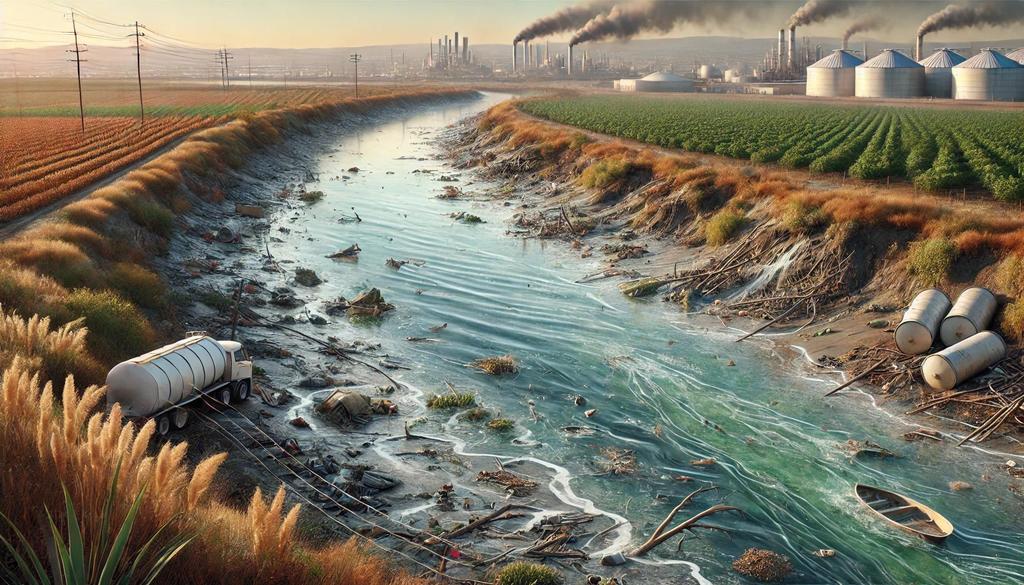
California’s waters are also affected by significant pollution, making many water bodies unsafe for fishing and recreation. Industrial pollutants and agricultural runoff are major contributors, impairing water quality and posing risks to both wildlife and humans. Pesticides, heavy metals such as mercury and lead, and nutrient runoff from fertilizers are primary culprits. Agricultural runoff carries these chemicals into waterways, where they persist. Industrial activities add toxic chemicals and heavy metals that can contaminate groundwater and surface waters.
These pollutants cause ecological disruptions, leading to oxygen depletion in water bodies and killing aquatic life. They also pose health risks to humans who consume contaminated fish, causing issues like cancer, liver damage, and reproductive problems. Wildlife experiences bioaccumulation of toxins, affecting birds and mammals that feed on fish.
Agencies like the California State Water Resources Control Board monitor these issues and implement clean-up measures. Public awareness, stricter regulations on agricultural and industrial discharges, and community involvement are essential to mitigating these impacts and protecting California’s water resources.
5. Harmful Algae in Nevada
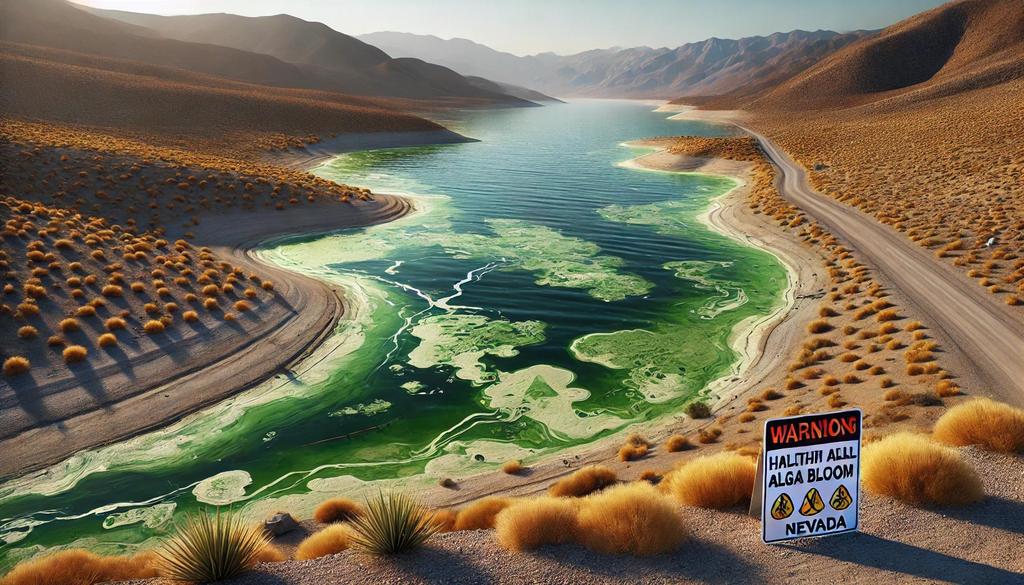
In Nevada, harmful algal blooms (HABs) are a recurring issue, making waters unsafe for swimming, fishing, and even pets. Algae can proliferate rapidly, transforming lake conditions and presenting serious hazards to water users. Warnings are posted to inform the public about these toxic blooms. These blooms occur in nutrient-rich waters with higher temperatures, fostering the growth of cyanobacteria. These bacteria produce toxins that can cause skin irritations, gastrointestinal issues, and neurological symptoms if ingested or inhaled.
For anglers, the concern extends to the safety of the fish. Contaminated waters lead to fish accumulating toxins, making them potentially unsafe to eat. Additionally, HABs disrupt aquatic ecosystems, impacting fish populations and other wildlife. The state regularly monitors water bodies and has developed a Harmful Algal Bloom (HAB) dashboard to provide current conditions and safety advisories.
Despite these measures, the rapid onset of blooms requires constant vigilance and adherence to warnings. Controlling nutrient pollution from agricultural runoff and urban stormwater is crucial to mitigating HAB risks. Public education and community engagement play essential roles in reducing nutrient inputs and promoting practices to safeguard water quality.

The Bright Side: Pristine Waters
1. Lake Powell, Arizona
On a brighter note, Lake Powell in Arizona offers a premier fishing experience with its clear waters and striking rock formations. This top destination for anglers remains clean and enjoyable, thanks to ongoing conservation efforts despite heavy tourist influx. Spanning over 186 miles, the lake is a haven for fishing enthusiasts targeting bass, catfish, and walleye. Its unique geology and clear waters also draw kayakers, swimmers, and sightseers.
Houseboating allows visitors to explore Lake Powell’s secluded areas, appreciating its unspoiled beauty. The National Park Service and local organizations actively work to preserve this pristine environment. Regular water quality testing helps manage pollutants, while educational programs inform visitors about eco-friendly practices like proper waste disposal and avoiding feeding wildlife.
Efforts to control invasive species like quagga mussels are also ongoing to protect the lake’s biodiversity. These measures ensure Lake Powell remains a prime fishing destination and a natural haven for future generations.
2. Lake of the Woods, Minnesota
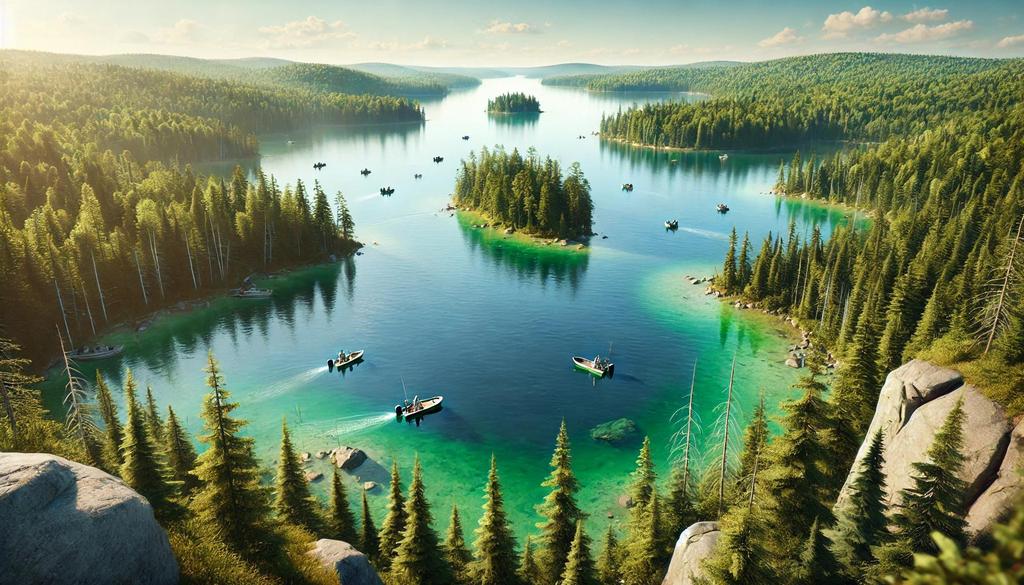
Lake of the Woods in Minnesota stands out as a pristine fishing destination, renowned for its walleye, sturgeon, and northern pike populations. Maintaining its clean waters is a community effort supported by conservation measures and public awareness. Spanning over 1,700 square miles and encompassing more than 14,000 islands, this lake offers diverse fishing opportunities and stunning clarity.
Stringent conservation practices, such as strict fishing regulations and catch-and-release guidelines, help sustain healthy fish populations. The local community, including fishing guides and residents, actively participates in clean-up events and anti-litter campaigns. The Minnesota Department of Natural Resources (DNR) regularly assesses water quality and combats invasive species like zebra mussels.
Public education initiatives provide visitors and locals with resources to minimize environmental impact. These combined efforts ensure Lake of the Woods remains a premier fishing spot and a natural treasure for all to enjoy.
3. Top Catfish Locations
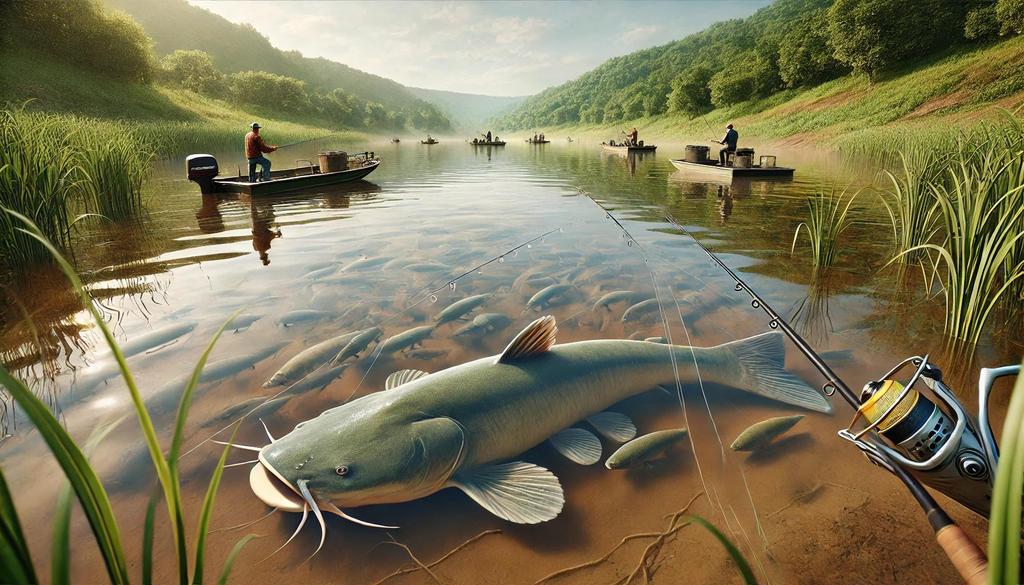
For catfish enthusiasts, Fishhound’s list of the 50 best U.S. lakes and rivers serves as a guide to top fishing spots. Walter F. George Reservoir (Lake Eufaula) and Kerr Reservoir are often highlighted for their pristine environments, making them prime destinations for trophy-size catfish. These locations are celebrated not only for their size but also for the exceptional quality of fishing they offer.
Walter F. George Reservoir, located on the Georgia-Alabama border, boasts fertile, nutrient-rich waters that support blue, channel, and flathead catfish. Kerr Reservoir, also known as Buggs Island Lake, straddles the North Carolina-Virginia border and is famous for its record-breaking catfish. The health of these lakes is preserved through collaborative efforts involving state wildlife agencies, local communities, and environmental organizations.
Regular monitoring of water quality and fish populations ensures a balanced ecosystem. Community-led initiatives, such as shoreline clean-ups and habitat restoration, play a crucial role in maintaining these waters. Education campaigns promote sustainable fishing practices, ensuring these top catfish habitats remain productive and clean for future generations.
4. Texas Parks & Wildlife’s Pristine Waters
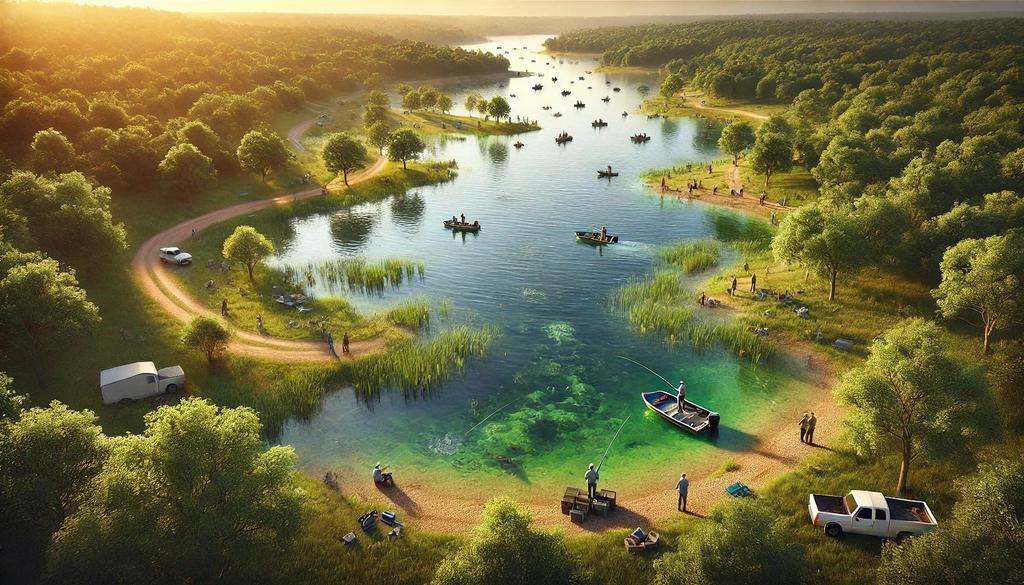
Texas is home to some of the best-maintained fishing waters in the country, thanks to proactive regulation and conservation efforts by the state’s Department of Parks & Wildlife. The Department enforces guidelines on fishing licenses, size, bag limits, and the handling of endangered species to prevent overharvest and promote sustainable practices.
To maintain healthy aquatic ecosystems, the Texas Parks & Wildlife Department (TPWD) performs regular water quality assessments and combats invasive species through public awareness campaigns and stringent controls. Education is crucial; TPWD offers resources and workshops on eco-friendly fishing and habitat preservation.
Programs like the “Neighborhood Fishin’ Program” stock urban lakes, making fishing accessible while ensuring ecological health. These initiatives foster a culture of conservation and ensure that Texas’ fishing spots remain immensely popular and environmentally sound.

5. California Freshwater Fishing
California offers numerous healthy, clean waters perfect for fishing, safeguarded by stringent regulations to prevent contamination and ensure exceptional conditions for both fish and anglers. The California Department of Fish and Wildlife (CDFW) manages these freshwater resources through comprehensive regulations and conservation programs.
These measures include permissible fishing seasons, daily catch limits, and gear restrictions like barbless hooks and artificial lures to minimize environmental impact. Non-toxic fishing weights are encouraged to prevent lead contamination. The CDFW also undertakes habitat restoration projects, such as streambank stabilization and wetland rehabilitation, to maintain water quality and ecosystems.
Carefully controlled fish stocking programs enhance recreational fishing without disturbing the ecological balance. Through public workshops, online resources, and on-site signage, the CDFW educates anglers on sustainable fishing practices and compliance with regulations. These efforts help maintain California’s status as a top destination for anglers while preserving natural resources for future generations.

The Importance of Water Quality for Fishing Adventures
The health of our water bodies directly impacts the quality and safety of fishing experiences. From the pristine waters of Lake Powell in Arizona to the well-regulated ecosystems of Texas and the community-supported clarity of Minnesota’s Lake of the Woods, these examples underscore the importance of vigilant conservation efforts. By understanding the conditions and regulations of these diverse fishing destinations, anglers can make informed decisions that ensure both an enjoyable and responsible fishing experience.
Ongoing conservation initiatives, public awareness campaigns, and stringent regulations are key to preserving these aquatic ecosystems for future generations. Whether you’re fishing in California’s clean lakes or staying alert to harmful algal blooms in Nevada, staying informed and proactive is essential. Collectively, these efforts and informed practices will help maintain the vitality and beauty of America’s fishing waters, ensuring they remain prime destinations for anglers and nature lovers alike.


