
A healthy diet should include leafy green veggies. They’re high in vitamins, minerals, and fiber but also low in calories. Heart disease, obesity, high blood pressure, and mental decline risk can be minimized by eating a diet rich in leafy greens.
Below are 13 of the healthiest leafy green veggies to eat. Try to include a variety of these leafy greens in your diet to get the numerous outstanding health benefits of these vegetables.
1. Kale
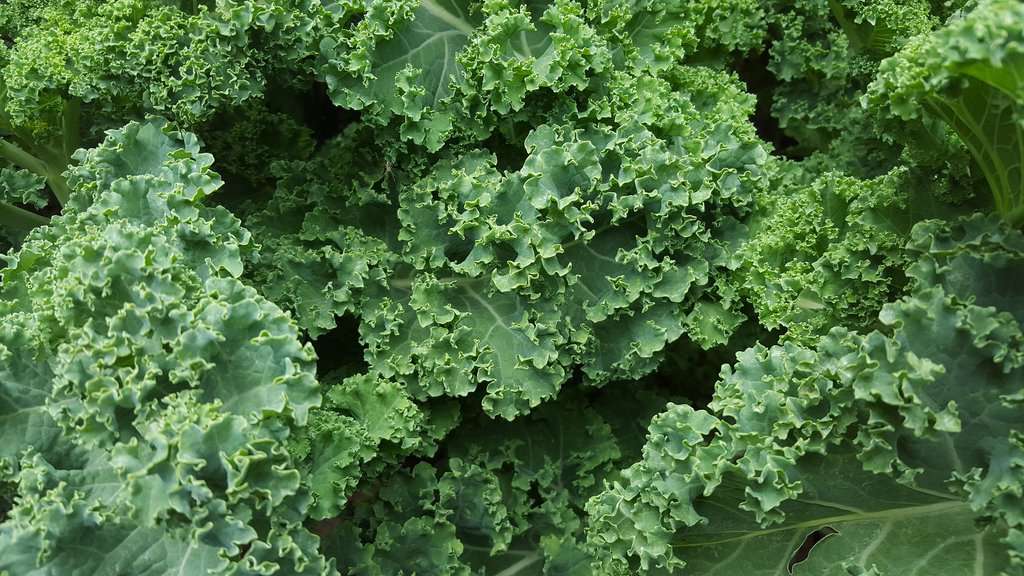
Kale is one of the most nutrient-dense vegetables with its many vitamins, minerals, and antioxidants. For example, only one cup (67 grams) of raw kale contains:
- 684% of the DV (Daily Value) for vitamin K.
- 134% of the DV for vitamin C.
- 206% of the DV for vitamin A.
It also contains antioxidants like lutein and beta-carotene, lowering the risk of oxidative stress-related diseases. However, kale is best consumed raw to get the most out of what it offers, as cooking might reduce its nutrient profile.
2. Microgreens

Immature greens made from the seeds of vegetables and herbs are known as microgreens. They are usually 2.5–7.5 cm (1–3 inches) in length. They’ve been popular as a garnish or decoration since the 1980s, but they have many more uses.
Despite their small size, they’re rich in color, flavor, and nutrients. According to one study, microgreens contain 40 times more nutrients than their mature counterparts. Vitamins C, E, and K are among these nutrients. Best of all, microgreens can be grown all year in the comfort of your home, making them easily accessible.
3. Collard Greens
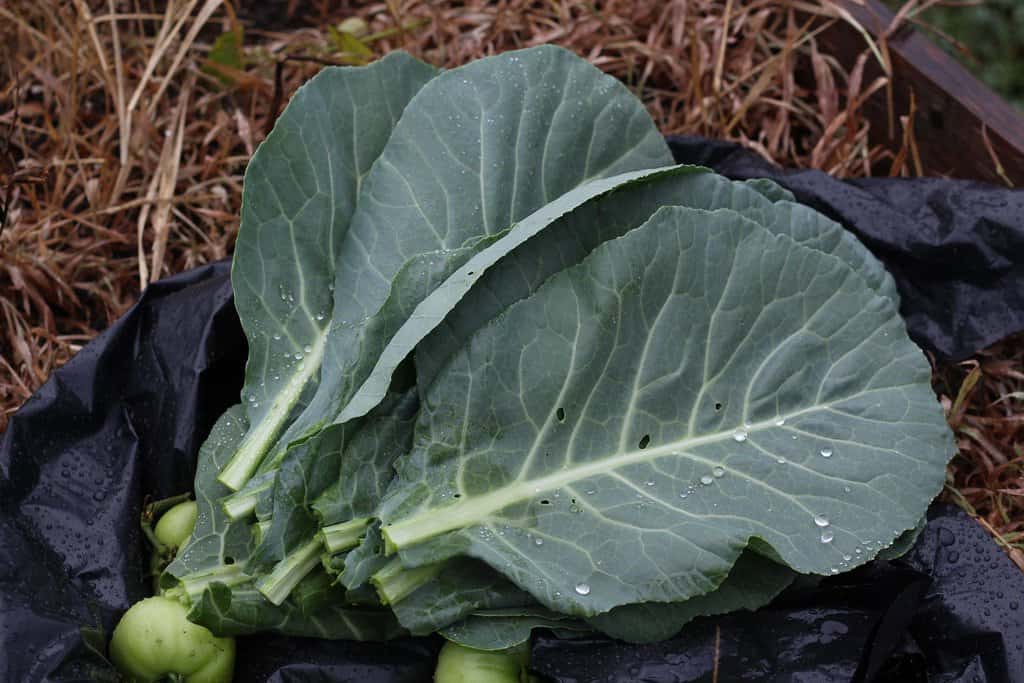
Collard greens, like spring greens and kale, are loose-leaf greens. They have thick leaves that have a slight bitterness to them. They have a texture similar to kale and cabbage.
Collard greens are high in calcium, vitamin A, vitamin B9 (folate), and vitamin C. Regarding leafy greens, they’re also one of the best sources of vitamin K. One cup (190 grams) of cooked collard greens contains 1,045% of the DV for vitamin K.
Vitamin K is well-known for aiding blood clotting. Furthermore, additional work is being conducted to see if it can help bone health. A trial of 72,327 women aged 38 to 63 found that those who consumed less than 109 micrograms of vitamin K per day had a substantially higher risk of hip fractures, suggesting a relationship between this vitamin and bone health.
4. Spinach

Spinach is a common leafy green vegetable used in many meals, such as smoothies, salads, soups, quiche, sauces, and dips. One cup (30 grams) of raw spinach offers 13% of the DV for manganese, 56% of the DV for vitamin A, and 181% of the DV for vitamin K.
It’s also high in folate, which aids in producing red blood cells and preventing neural tube abnormalities during pregnancy. One study found that low folate consumption during the first trimester of pregnancy was one of the most preventable risk factors for the neural tube defect spina bifida. So eating spinach and taking a prenatal vitamin is an excellent method to boost your folate consumption during pregnancy.
5. Cabbage

Cabbage comprises clusters of thick leaves that come in various hues, including green, white, and purple. It, like Brussels sprouts, kale, and broccoli, is a member of the Brassica family. This plant family’s vegetables contain glucosinolates, which give them a bitter taste.
In animal studies, foods containing these plant components have been shown to have cancer-protective qualities, particularly against esophageal and lung cancer.
Another advantage of cabbage is that it can be fermented and made into sauerkraut, which has several health benefits, including improved digestion and immune system support. It might even help you lose weight.
6. Beet Greens
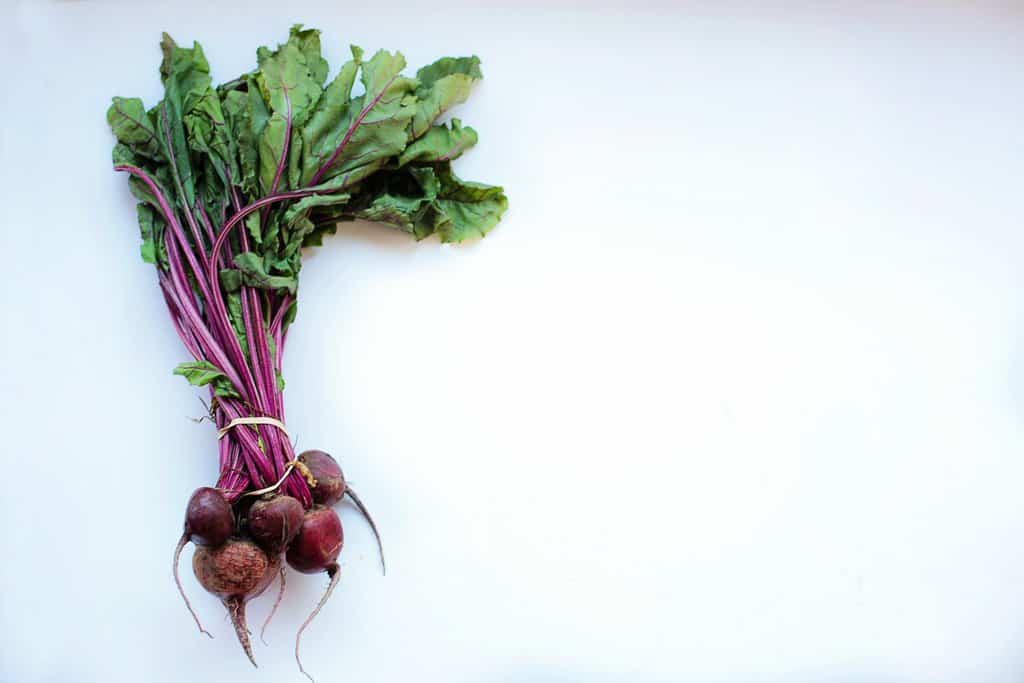
Beets have been touted as having health benefits since the Middle Ages. This is because they have an incredibly high nutrient profile. However, while beets are commonly used in recipes, the leaves are often discarded.
It’s a shame because they are edible and high in calcium, riboflavin, fiber, potassium, and vitamins K and A. One cup (144 grams) of beet greens (cooked) offers:
- 220% of the DV for vitamin A.
- 37% of the DV for potassium.
- 17% of the DV for fiber.
They also include the antioxidants beta-carotene and lutein, which may minimize the risk of cataracts and macular degeneration. Beet greens can be used in omelets, soups, salads, or as a side dish when sautéed.
7. Watercress
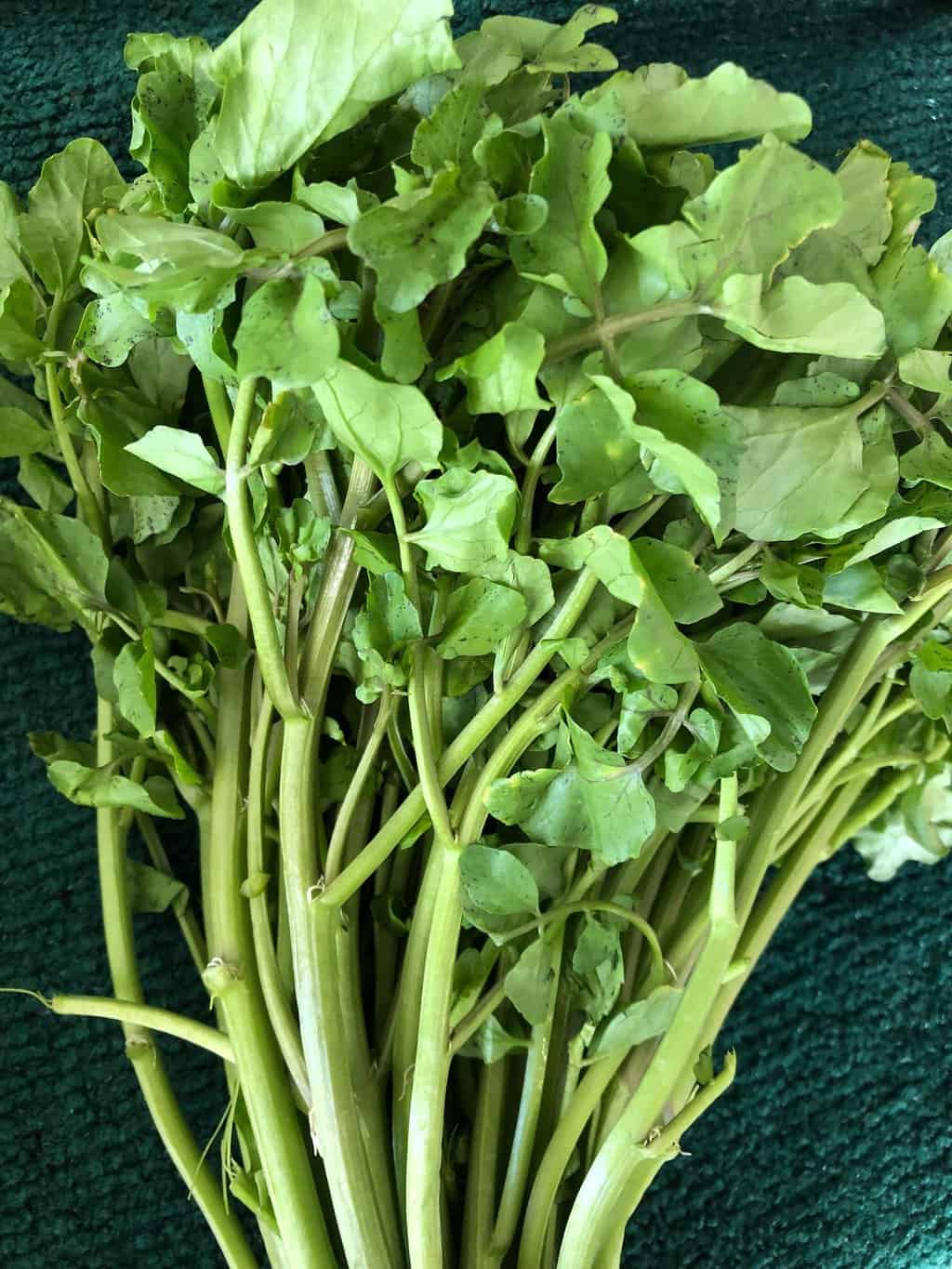
Watercress, like arugula and mustard greens, is an aquatic plant belonging to the Brassicaceae family. It has been used in herbal medicine for ages and is considered to have therapeutic effects. However, no human research has yet verified these claims.
Watercress extract has been demonstrated to effectively target cancer stem cells and inhibit cancer cell reproduction and invasion in test tube studies. In addition, watercress is a fantastic accent to neutrally flavored recipes due to its bitter and mildly peppery flavor.
8. Romaine Lettuce
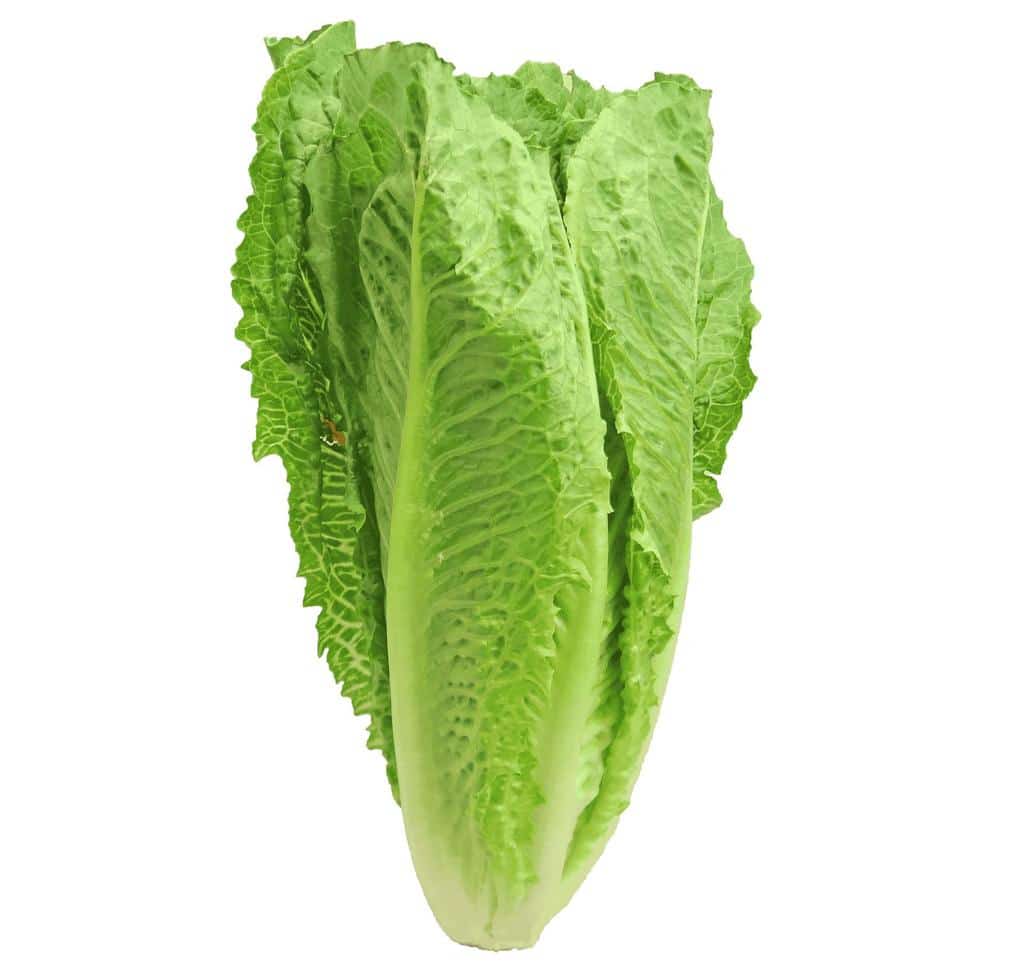
Romaine lettuce is a popular leafy vegetable with thick, dark leaves and a strong center rib. It is a popular type of lettuce, especially in Caesar salads, because of its crunchy texture. One cup (47 grams) of romaine lettuce offers 82% of the DV for vitamin A and 60% of the DV for Vitamin K. Furthermore, studies in mice revealed that lettuce lowered blood lipid levels, potentially lowering the risk of heart disease. However, more research on these benefits in humans is needed.
9. Swiss Chard
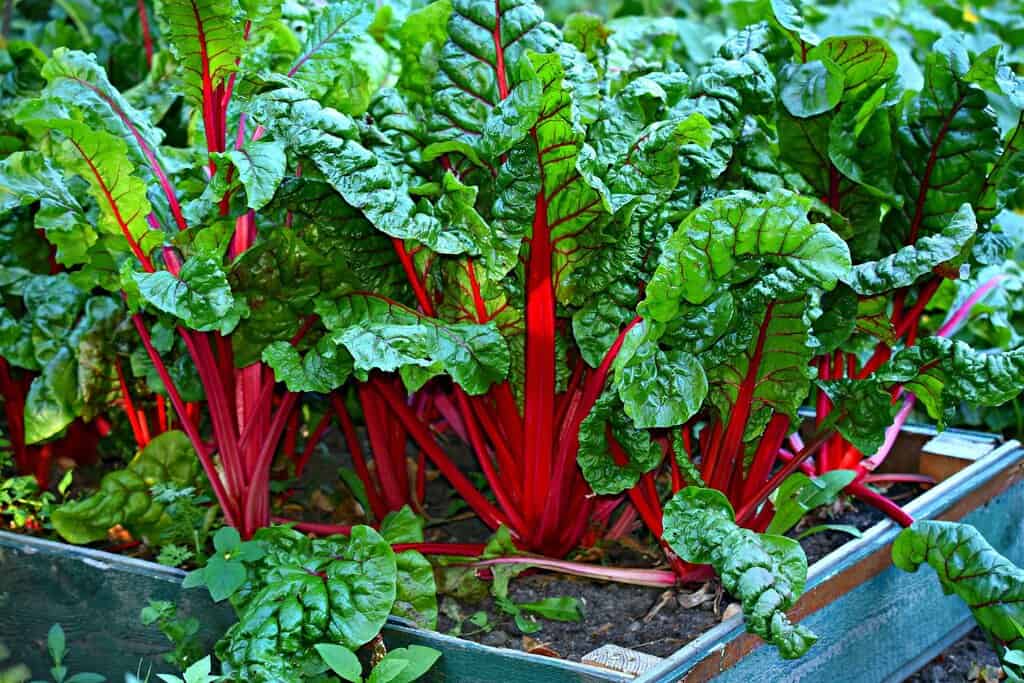
Swiss chard leaves are dark green, while the stalk is yellow, white, red, or green. It is from the same family as beets and spinach and is frequently used in Mediterranean cooking. It has a somewhat earthy flavor and is high in minerals and vitamins like manganese, potassium and vitamins K, C, and A.
Swiss chard also contains syringic acid, a flavonoid that may help reduce blood sugar levels. In two little experiments, oral treatment of syringic acid for 30 days improved blood sugar levels in diabetic rats. However, it’s worth noting that these were small animal trials, and there’s no human evidence to support the idea that syringic acid can help with blood sugar control.
While many people discard the stems of the Swiss chard plant, they are crisp and packed with nutrients. Try incorporating all sections of the Swiss chard plant into meals like casseroles, soups, sandwiches, and tacos.
10. Arugula

Arugula, also known as rucoli, rocket, colewort, rucola, and roquette, is a leafy green that belongs to the Brassicaceae family. It has a peppery flavor and small leaves that can be used as a garnish or added to salads. It can also be used for medical and cosmetic purposes.
Like other leafy greens, it’s high in minerals like pro-vitamin A, carotenoids, and vitamins K and B9. It’s also a good source of dietary nitrates, a molecule that your body converts to nitric oxide. Though the benefits of nitrates are debatable, some research suggests that widening blood arteries may improve blood flow and lower blood pressure.
11. Endive

Endive (pronounced “N-dive”) is part of the Cichorium family. It’s not as well-known as other leafy greens, maybe due to its challenging cultivation. It has a nutty, moderately bitter flavor and is curly and crisp in texture. It can be consumed either cooked or raw.
One-half cup (25 grams) of endive leaves (raw) provides:
- 9% of the DV for folate.
- 11% of the DV for vitamin A.
- 72% of the DV for vitamin K.
It also contains kaempferol, an antioxidant that has been demonstrated in test-tube studies to reduce inflammation and inhibit cancer cell growth.
12. Bok Choy
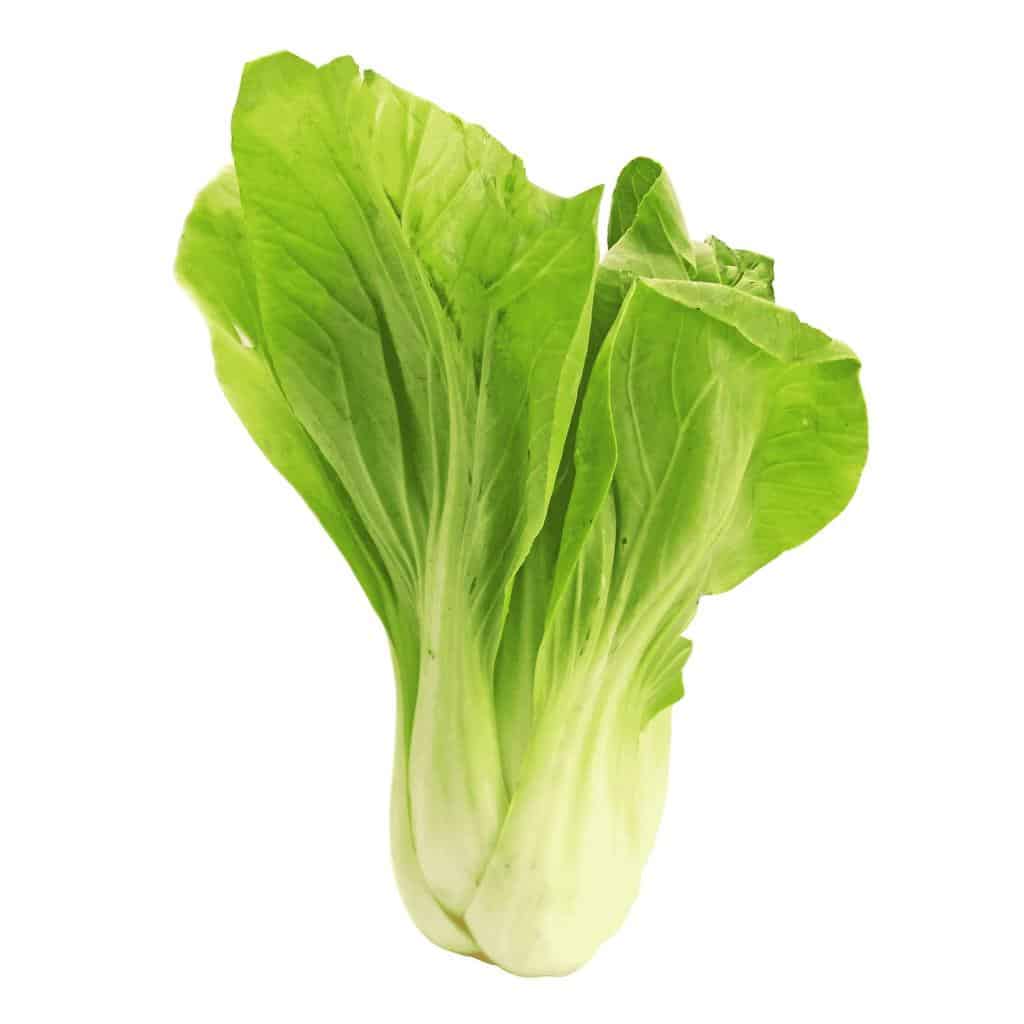
Bok choy is a Chinese cabbage variety. Its thick, dark-green leaves are delicious in stir-fries and soups. In addition, Bok choy is high in selenium, a mineral that helps with immunity, cancer prevention, and cognitive function.
Selenium is also necessary for normal thyroid gland function. This gland, which is located in your neck, produces hormones that are important for metabolism. In an observational study, low selenium levels were linked to thyroid disorders, including autoimmune thyroiditis, enlarged thyroid, and hypothyroidism.
13. Turnip Greens
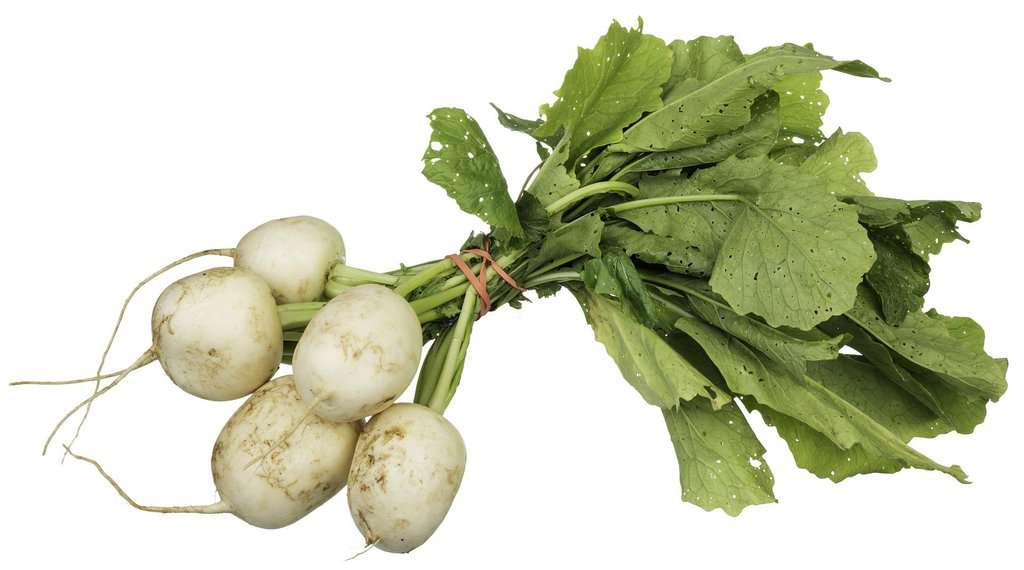
Turnip greens are the turnip plant’s leaves, a beetroot-like root vegetable. These greens are higher in manganese, calcium, folate, and the vitamins K, C, and A than the turnip itself. They have a rich, spicy flavor and are more commonly eaten cooked than fresh.
Turnip greens are a cruciferous vegetable that has been proven to lower the risk of health problems like cancer, inflammation, and heart disease. In addition, Quercetin, glucotropaeolin, gluconasturtiin, myricetin, and beta-carotene are antioxidants found in turnip greens and help reduce stress in the body. In most recipes, turnip greens can be substituted for spinach or kale.

Conclusion
Incorporating leafy greens into your diet is a smart and healthy choice. These vegetables are packed with essential vitamins, minerals, and fiber while also being low in calories. You can even grow them yourself in your own home. By including a variety of leafy greens in your meals, you can reap the numerous outstanding health benefits they offer.
From nutrient-dense kale to versatile microgreens, there are many options to choose from. Collard greens provide a rich source of vitamin K and may even promote bone health. Spinach is widely popular and contains folate, crucial for pregnant women. Cabbage, when fermented into sauerkraut, offers improved digestion and immune system support.
Don’t forget about beet greens, which are often disregarded but are high in calcium, fiber, and vitamins K and A. Watercress has potential therapeutic effects and may help inhibit cancer cell growth. Romaine lettuce and Swiss chard are both excellent sources of vitamins and minerals, with Swiss chard having the potential to help reduce blood sugar levels.
Arugula adds a peppery flavor to your dishes and may improve blood flow. Endive provides folate and vitamin K, while bok choy contributes to immunity and thyroid function. Lastly, turnip greens, with their rich and spicy flavor, offer antioxidant benefits and can replace spinach or kale in most recipes.
By incorporating these leafy green vegetables into your daily meals, you can enhance your overall health and well-being. And if you’re really adventurous and love leafy greens, there are many simple ways to grow them in home vertical planters! So, why not start experimenting with these nutritious greens and reap the benefits they have to offer? Your body will thank you!


