
The Ending the Captivity of Whales and Dolphins Act, which Canadian media nicknamed the “Free Willy” bill, was introduced by Canadian legislators back in 2015. It wasn’t until just recently, on June 10, that it finally passed into law, banning the captivity, breeding, trade, possession and capture of cetaceans.
The measure – properly called Bill S-203 – passed by a wide margin in the House of Commons after having previously been passed by the country’s Senate a few months back. It has been championed by animal rights groups such as Humane Society International, Animal Justice and the Whale Sanctuary Project.
Rebecca Aldworth, the executive director of Humane Society International/Canada, said in a statement:
The passage of Bill S-203 is a watershed moment in the protection of marine animals and a victory for all Canadians. Whales and dolphins don’t belong in tanks, and the inherent suffering these highly social and intelligent animals endure in intensive confinement can no longer be tolerated.
Lori Marino, the president of the Whale Sanctuary Project, noted that whales are “among the most cognitively complex of all animals.” She said:
This is a major victory for cetaceans. They are among the most cognitively complex of all animals. Confining them to life in a concrete tank is truly unbearable for them.
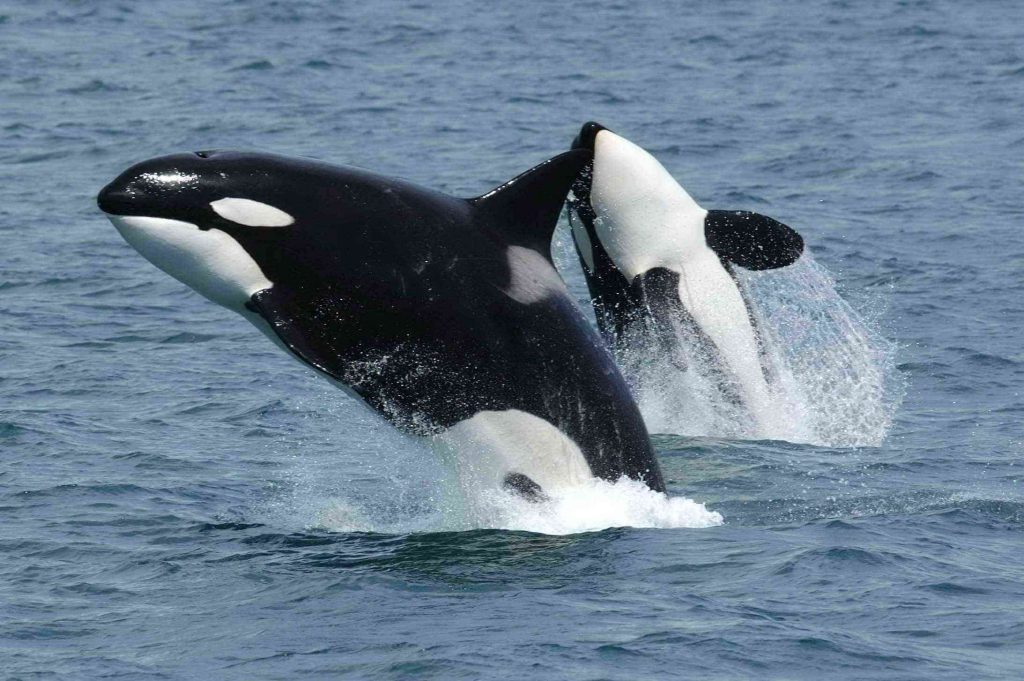 Hal Whitehead, a biology professor at Dalhousie University in Nova Scotia and an expert on whales in the wild, testified in front of Canada’s lawmakers in support of the ban. He told The Washington Post that he does not believe it is ethical to keep whales in captivity. He said orcas in the wild can swim 30 to 60 miles a day; their home range might be some 600 miles across. But this habitat is reduced to a concrete tank in captivity, shrinking a vast, three-dimensional range into a holding pen.
Whitehead said: “The environment in captivity is so utterly different from that in the wild in a number of ways which appear to be very meaningful to the animals.”
Bill S-203 is an amendment to the Criminal Code among other acts, and is outlined on the Canadian parliament’s website. The bill protects cetaceans – marine mammals (dolphins, whales, and porpoises) – from a variety of violations. This is a huge step, as it means so many less animals will suffer for entertainment across the country. Those found in violation of the new law could be fined up to $200,000. From here on out, any human who keeps a cetacean in captivity, breeds or impregnates a cetacean, or possesses (or tries to possess) a cetacean’s “reproductive materials,” (such as an embryo or sperm), will be found “guilty of an offense punishable on summary conviction and liable to a fine.”
There are a few exceptions to the new law, which include exception for rescues, rehabilitation, licensed scientific research, or cetaceans’ best interests. Also, anyone who currently controls any cetaceans in captivity will be allowed to keep the animals in captivity for the rest of their lives. Only two facilities currently keep cetaceans in Canada: The Vancouver Aquarium, which has a Pacific white-sided dolphin, and Marineland in Niagara Falls, which holds a lone orca, Kiska, and more than 50 beluga whales. The bill permits these facilities to keep them to keep the animals as long as they don’t breed more.
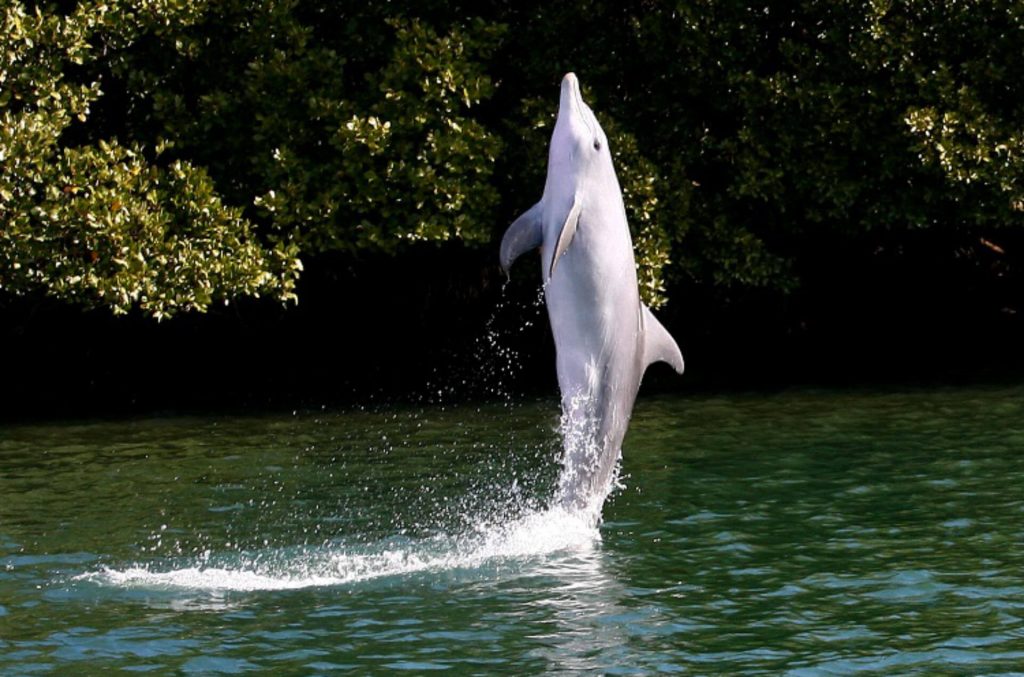 Camille Labchuk, Executive Director of Canadian organization Animal Justice told VegNews in celebration of the bill:
Whales and dolphins are incredible, majestic creatures who belong swimming free in the ocean—not confined to tiny, miserable concrete tanks. This bill is a tremendous opportunity for Canada to be a world leader in protecting whales and dolphins, and polling shows that Canadians overwhelmingly support ending whale and dolphin captivity.


