
China is battling one of the most severe virus epidemics of the century. Many factories remain inactive or run partially due to drastic containment measures and traffic restrictions to curb the outbreak. Consequently, the situation has impacted China’s energy needs and emissions. With industrial output remaining far below its normal levels in multiple sectors – many even reaching their lowest two-week average in years – the electricity demand has decreased so much that emissions have been cut by a quarter.
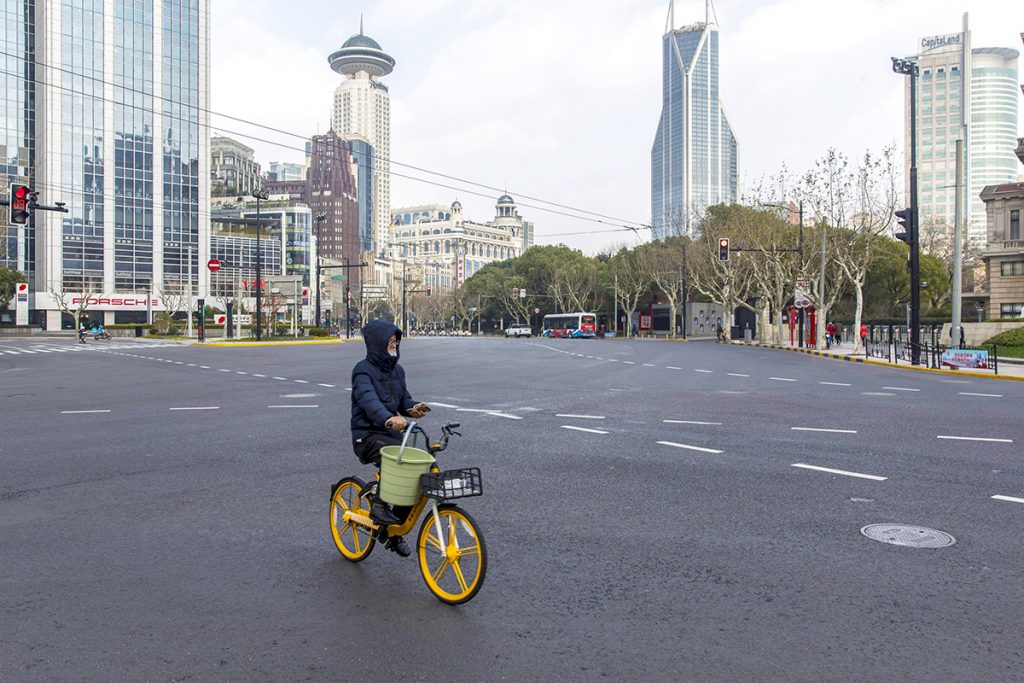
Reductions in output include:
- Coal use at power stations is at a four-year low.
- Operating rates at the oil refinery in Shandong province are at the lowest level since 2015.
- Key steel product lines’ output is at the lowest level in five years.
- Domestic flights have dropped by up to 70% compared with last month’s figures.
- NO2 air pollution levels over China are down 36% compared to the same period last year.
The measures taken to contain the coronavirus have caused a reduction in output of 15-40% across critical industrial sectors. As a result, the country’s CO2 emissions have likely been wiped out by 25% or more. China released around 400m tonnes of CO2 (MtCO2) during the same period in 2019, meaning the virus has stopped approximately 100MtCO2 from entering the atmosphere so far.

However, Lauri Myllyvirta, an analyst at Centre for Research on Energy and Clean Air, covering air quality and energy trends in China, warns that this cut in China’s emissions will probably be a temporary effect. Soon enough, the country will regain its usual activity and emissions will rise again.
And as large as this short-term impact may seem (in terms of reduced energy demand and industrial emissions), its long-term effects could be limited. A reduction of emissions by 25% over two weeks would only reduce the annual figure by about 1%. Furthermore, if demand is there when things pick back up again, there could be a surplus of production volumes meaning even higher than average energy consumption and emissions.


