
Ocean advocate Emily Penn and eXXpedition are welcoming SAP to be part of the mission to “explore the science of, and solutions to, ocean plastic and become ambassadors to combat ocean pollution.”
Emily and her team will sail 38,000 nautical miles over 30 stages and have invited 300 women to join in their cause and educational journey.
Emily talks about the recent announcement of joining forces with SAP:
I’m incredibly excited to join forces with SAP to improve the health of our ocean by bringing together the energy of our eXXpedition community and our scientific research with SAP’s innovative technologies. Industry has a huge role to play in addressing the challenges our ocean faces. The most pressing problem is how to turn off the tap to plastic pollution, and the next years will be spent doing just that – trying to prevent plastic [from] getting into the ocean in the first place. For us to do that we need everybody on board and in particular, we need businesses to come to the table and take a lead, as SAP are doing.
Last year SAP launched a pilot program called Plastics Cloud to help reduce and hopefully eliminate the waste generated from single-use plastics. For this partnership, SAP created a custom-built digital platform that will share data and insights from the eXXpedition mission. This is meant to educate people about the different ways they can take action within their communities to reduce plastic waste.
As part of the SAP Plastics Cloud, enabled by the Ariba Network, they connect business with new recycled plastics and alternative supply sources. A major problem is we use so much plastic just for packaging products that 40 percent of all global plastic production is used for packaging.
Nearly $10 billion worth of packaging goes through the Ariba Network annually. Stephen Jamieson is the Head of Sustainable Business Innovation for SAP in Northern Europe, he explains that every little bit can make a difference. “Even a small portion of global spend on packaging redirected to pre-certified suppliers of recycled plastics and alternatives can have a tremendous impact on the environment.”
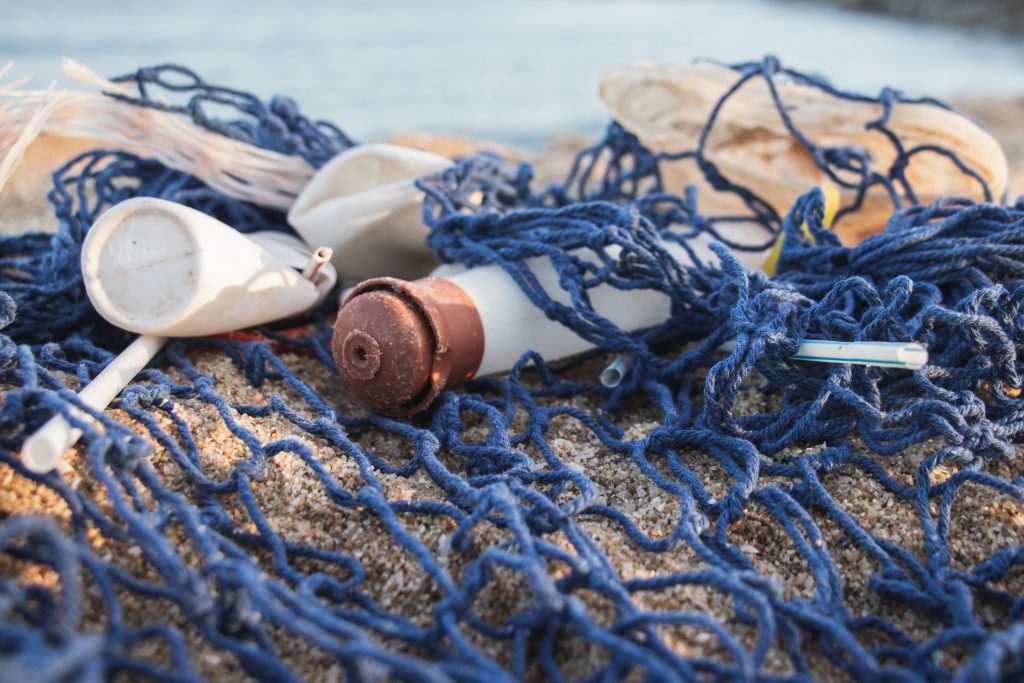
Emily previously gave a speech about a journey she made from England to Australia on a sailboat. After hearing a loud hit to the hull of the boat they were amazed to see they were surrounded by plastic!
That didn’t make sense, the closest people to us were in the space station in orbit above us, yet here was evidence of human life and waste in the most remote part of the planet
This is what got her started on her current mission.
Emily invited women along for the journey because most studies involve men. She recently had her blood tested for 35 chemicals and found out she has 29 of them in her body. This alarmed her because phthalates are present in many things including food containers, cleaning products, and personal-care products. These can throw off our hormones and lead to birth defects.
By bringing these women along with her, hopefully, it will encourage more people to be aware of the products they use and the harmful effects they have on us. This presents an opportunity for them to learn and to travel to some of the world’s oceans. Joining for part of the journey will be SAP’s Global Sustainability Lead for Innovation Services and Solutions, Natasha Pergl.
Here you can follow along with the ladies on their journey.


