
Choosing the right roof for your residential property is a crucial decision that impacts not only the aesthetics of your home but also its functionality, durability, and overall value. The decision can often feel overwhelming with a myriad of options available in the market, ranging from traditional asphalt shingles to modern metal or eco-friendly alternatives. However, by considering key factors and understanding your specific needs and preferences, you can make an informed choice that suits both your style and budget.
Climate and Weather Conditions
One of the most significant factors to consider when selecting a roof for your home is your region’s climate and weather conditions. If you’re seeking experts for roofing in North Carolina, look for contractors with experience working in the region’s diverse climate conditions, such as those familiar with the challenges of coastal areas prone to hurricanes or mountainous regions with heavy snowfall. Also, keep in mind that different roofing materials perform differently in various climates. For instance, sturdy materials like metal or concrete tiles may offer better resistance against damage in areas prone to high winds or hurricanes.
A steeply pitched roof can prevent snow buildup and potential structural issues in regions with heavy snowfall. Evaluate the typical weather patterns in your area and choose a roof that can withstand the elements while providing adequate insulation and protection.

Durability and Longevity
Investing in a durable roof can save you significant costs and hassle in the long run. Consider the lifespan of different roofing materials and weigh them against their initial cost. While asphalt shingles may be more affordable upfront, they typically have a shorter lifespan compared to materials like metal, clay tiles, or slate. Factor in maintenance requirements and the potential for repairs over time. A roof with a longer lifespan and minimal maintenance needs can offer greater peace of mind and long-term savings.
Evaluate Material Lifespan
When comparing roofing materials, consider each option’s expected lifespan. While asphalt shingles typically last 20-30 years, metal roofs can endure 50 years or more with proper maintenance. Investing in a longer-lasting material may initially cost more, but it can ultimately save you money on replacement and repairs in the future.
Assess Resistance to Environmental Factors
Different roofing materials vary in their ability to withstand environmental factors such as UV radiation, moisture, and temperature fluctuations. For example, clay tiles are known for their resilience to UV exposure and fire, while wood shakes may be susceptible to rot and decay if not properly maintained. Choose a material that offers durability and resilience against prevalent environmental stressors in your area.
Consider Warranty Coverage
Many roofing materials come with warranties that guarantee performance and protection against defects. Before making a decision, review the warranty terms and coverage offered by manufacturers. A comprehensive warranty can provide added peace of mind and financial protection against unforeseen issues that may arise with your roof.
Architectural Style and Aesthetics
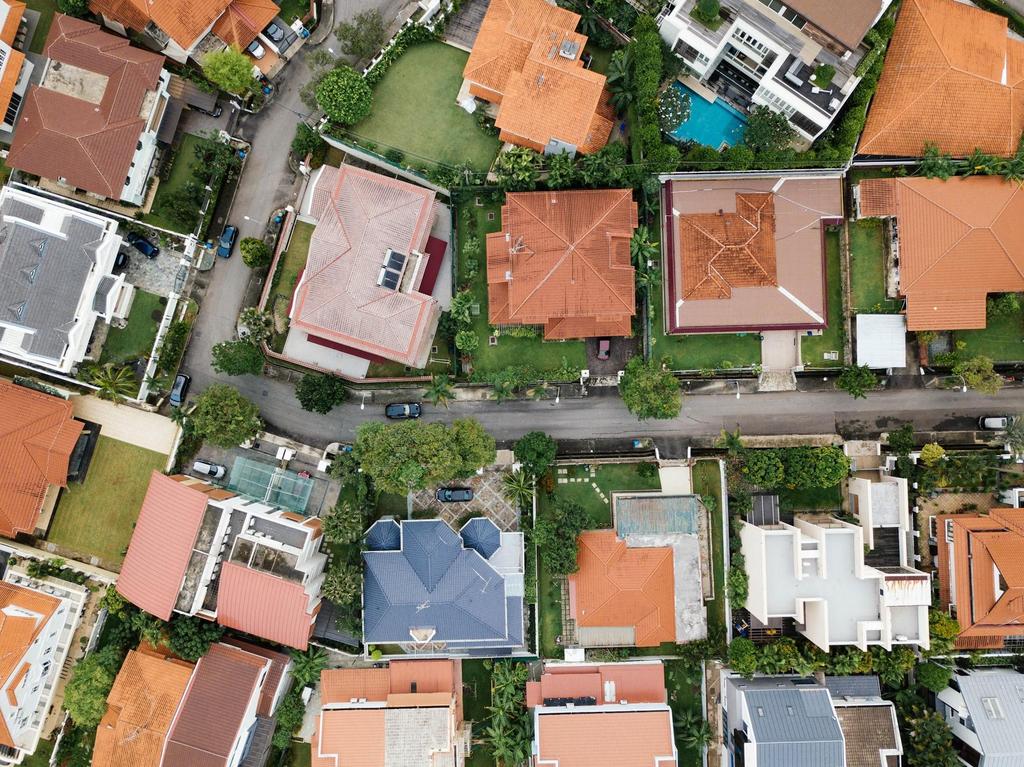
Your roof is a key factor in shaping your home’s architectural style and curb appeal. Think about the overall look you want to create and select a roofing material that fits your property’s design. For traditional homes, classic materials like asphalt shingles or wood shakes may be the best choice, while modern or contemporary structures could benefit from stylish metal roofing or eco-friendly options such as green roofs or solar tiles. Consider aspects like color, texture, and shape to ensure your chosen roof adds to the visual appeal of your home.
Match Roofing Material to Home Style
Select a roofing material that complements your home’s architectural style to achieve a cohesive and visually appealing look. For instance, Spanish-style homes often feature clay tile roofs, while Victorian or Colonial-style houses may pair well with slate or metal roofing. Consider consulting with a design professional to recommend materials that align with your home’s architectural character.
Explore Color Options
The color of your roof can significantly impact the overall aesthetics of your home. Experiment with different color samples and envision how each option will coordinate with the exterior paint, trim, and landscaping. Darker colors absorb more heat and may be suitable for colder climates, while lighter hues can help reflect sunlight and maintain a cooler interior temperature in warmer regions.
Enhance Curb Appeal with Texture and Detail
Beyond color, consider the texture and detail offered by various roofing materials. Wood shakes, for example, add rustic charm and texture, while metal roofing can create a sleek and modern aesthetic. Pay attention to architectural details such as trim, eaves, and roof pitch to ensure that your chosen material enhances the overall curb appeal of your home.

Budget and Cost Considerations
Budget, including roofing, is undeniably a significant factor in any home improvement project. Before making a decision, assess your budget constraints and explore the cost of different roofing materials, installation fees, and long-term maintenance expenses. While it may be tempting to opt for the cheapest option upfront, remember to consider the overall value and return on investment. Investing in a higher-quality roof with better durability and energy efficiency can pay off in terms of reduced maintenance costs and increased property value over time.
Factor in Installation Costs
When budgeting for a new roof, consider the cost of professional installation in addition to material expenses. Complex roof designs, steep slopes, and accessibility issues can increase installation costs, so obtain quotes from reputable contractors to assess the total project expenses accurately.
Calculate Long-Term Savings
While the initial cost of a high-quality roof may be higher than budget-friendly alternatives, consider the long-term savings and benefits. Energy-efficient materials like metal roofing or cool roofs can lower utility bills by reducing heating and cooling costs over time. Additionally, durable materials require fewer repairs and replacements, saving you money on maintenance expenses in the future.

The Right Roofing Solution for Your Unique Style
When considering your unique requirements and style preferences, you can make a well-informed decision that elevates both the functionality and visual appeal of your home. Whether you choose classic asphalt shingles, eco-friendly alternatives, or contemporary metal roofing, it’s essential to prioritize durability and quality for long-term protection and satisfaction. Keep in mind that your roof serves not only as a practical need but also as a crucial feature that defines the personality and allure of your home.


