
Finding the right dentist is one of those decisions that sounds simple — until you’re actually doing it. A quick search turns up dozens of options, and suddenly you’re sifting through websites, reviews, and service pages trying to figure out who’s actually worth your time. If you’re on the hunt for a St. Louis dentist, knowing what to prioritize can save you a lot of second-guessing.
Here’s what actually matters.

Experience That Goes Beyond the Basics
Years in practice matter, but they’re not the whole story. What you really want is a dentist who combines long-standing experience with a genuine commitment to staying current. Dentistry evolves — materials improve, techniques advance, and practices that invest in continuing education deliver meaningfully better results. When evaluating a practice, look for one that clearly communicates not just how long they’ve been around, but what they’ve built and refined over that time.
A Range of Services Under One Roof
Nobody wants to be bounced between multiple specialists for straightforward care. A well-rounded dental practice should be able to handle everything from routine cleanings and exams to cosmetic work, restorations, and more complex treatments. When a practice offers comprehensive care, your provider also develops a full picture of your oral health, which leads to better, more coordinated outcomes over time.
This matters especially for families. Finding a single practice where every member — from kids to grandparents — can receive consistent, high-quality care is a genuine convenience that pays off for years. It also builds continuity that solo visits to rotating providers simply can’t replicate.
The Feel of the Office
Don’t underestimate this one. Dental anxiety is real, and the environment a practice creates has a direct impact on whether patients actually show up and follow through with recommended care. A welcoming waiting area, a team that greets you by name, and a staff that takes time to explain what they’re doing — these aren’t extras. They’re strong indicators of how a practice views its patients.
The best dental practices understand that people aren’t just looking for a tooth-fixer. They’re looking for a healthcare partner who makes them feel respected, comfortable, and genuinely cared for from the moment they walk in.
Transparent Communication
Before any treatment begins, your dentist should explain what’s happening, why it’s recommended, and what your options are. A practice that rushes through consultations or leaves patients feeling confused isn’t delivering real care — it’s just delivering procedures. The right St. Louis dentist will take the time to educate you so you can make informed, confident decisions about your own health.
Ask yourself after your first visit: Did I leave knowing more than when I walked in? If the answer is yes, that’s a very good sign.
Modern Technology and Techniques
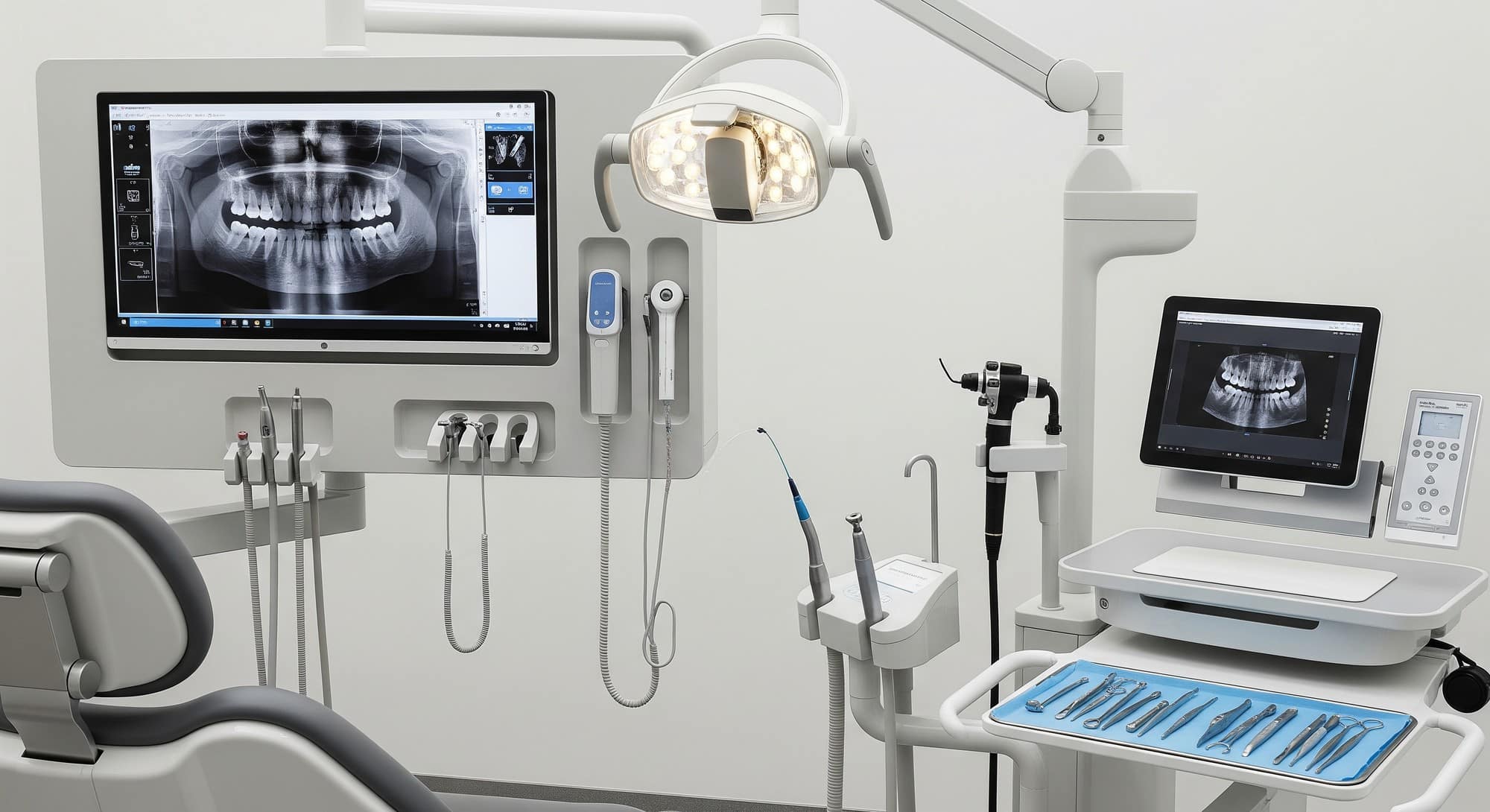
Advanced imaging, AI-assisted technology, digital X-rays, and updated treatment protocols aren’t just bells and whistles — they translate to more accurate diagnoses, more comfortable procedures, and better long-term results. A practice that consistently invests in technology is a practice that takes the quality of care seriously. It also signals that the team is engaged and paying attention to where the field is headed.
Genuine Commitment to Patients Over Time
The best dental relationships are built over years, not just appointments. Look for a practice that emphasizes long-term wellness rather than transactional visits. When a dentist knows your history, understands your goals, and tracks your progress over time, preventive care becomes far more effective — catching small issues before they turn into expensive, complicated ones. According to the American Dental Association, regular dental visits are essential for the prevention and early detection of oral diseases. That kind of continuity is one of the most underrated benefits of finding the right dental home. Maintaining healthy teeth and gums requires both a great professional partner and a committed daily routine.

