
Caring for an aging family member means creating an environment that prioritizes both comfort and safety. As mobility, vision, and overall health change with age, simple adjustments can make a significant difference in their daily lives.
From fall prevention to improved accessibility, small yet effective modifications can help seniors maintain their independence while ensuring peace of mind for loved ones. Whether they live alone or with family, these practical tips will enhance their quality of life by reducing risks and promoting ease of movement.
By making thoughtful improvements in their living space, routines, and support systems, you can provide them with the care and security they deserve. Here are eight essential tips to help your aging loved one stay safe, comfortable, and confident in their home.
Find the Right Care Solution
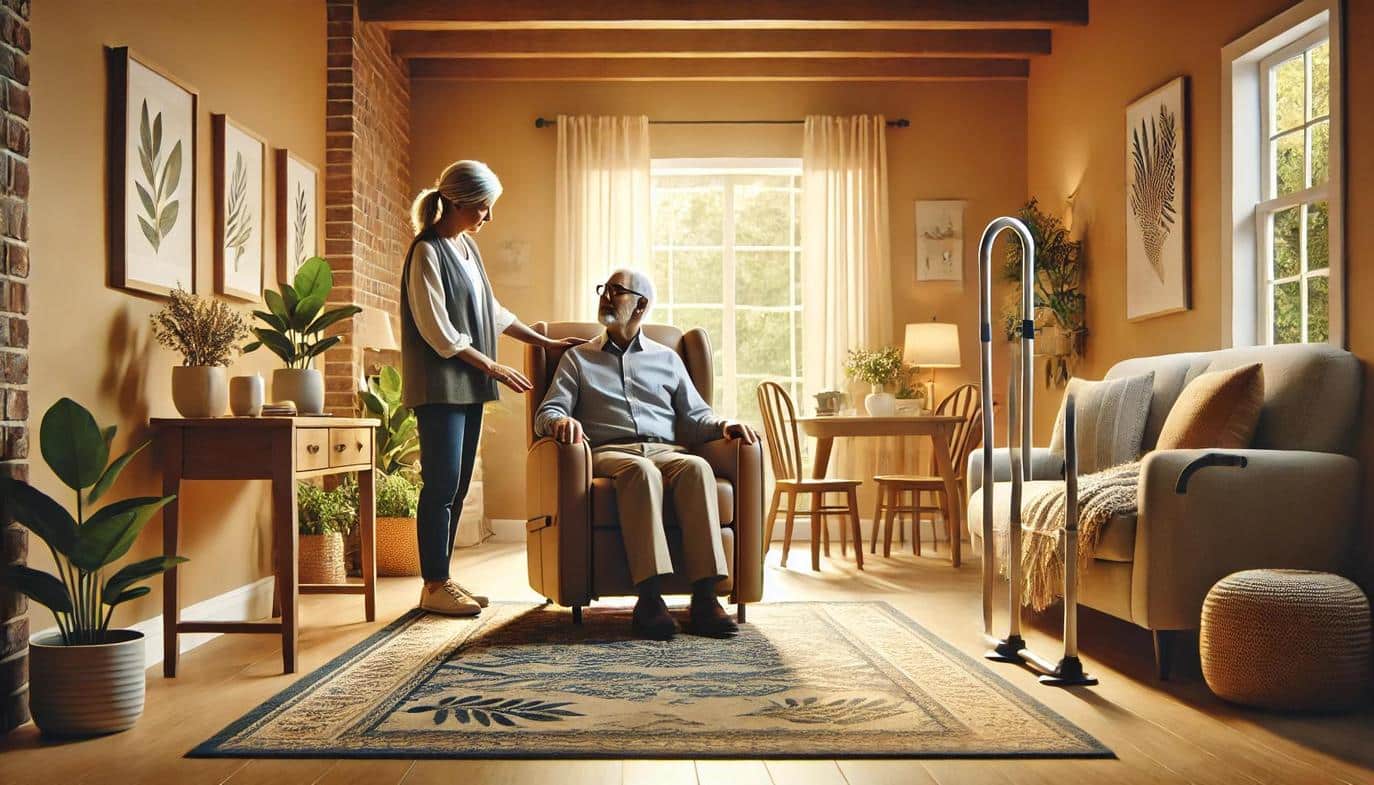
As your loved one ages, their needs may exceed what family members can manage alone. Exploring care options for your loved one can provide additional support while ensuring their well-being. You can find tailored solutions in senior care, such as in-home caregivers, assisted living, or specialized nursing facilities that cater to their specific needs.
In-home care enables seniors to keep their independence while getting assistance with daily activities, ensuring they can live comfortably in familiar surroundings. On the other hand, assisted living communities provide a harmonious blend of support and social interaction, allowing seniors to engage with peers while receiving necessary care.
If they require medical supervision, skilled nursing facilities may be the best option. Evaluating different care solutions and discussing preferences with your loved one can help ensure they receive the right level of care.
Improve Home Accessibility for Ease of Movement
Making a home more accessible allows seniors to move around safely and comfortably.
If they use a wheelchair or walker, widen doorways and remove barriers like steps or narrow hallways. Installing ramps at entrances can prevent falls and make it easier to enter and exit the house. Lever-style door handles and touch-activated lights can help those with arthritis or limited dexterity. Stairlifts or home elevators may be necessary for multi-story homes.
Placing frequently used items in easily accessible locations reduces the need for excessive bending or reaching. These adjustments can make a significant difference in your loved one’s ability to navigate their living space with ease.
Enhance Bathroom Safety with Essential Modifications
Bathrooms pose a significant risk for slips and falls, so safety enhancements are essential.
Install grab bars near the toilet and in the shower to provide stability. A walk-in shower with a built-in seat or a bathtub with a door can be safer alternatives to traditional tubs. Place non-slip mats and rugs on all wet surfaces, and a handheld showerhead can simplify bathing. Raised toilet seats and shower chairs also add convenience and comfort.
Consider installing temperature-controlled faucets to prevent accidental burns. By making these small but crucial modifications, you can create a bathroom environment that promotes both independence and safety for your aging family member.

Create a Fall-Proof Living Space
Falls are one of the leading causes of injury among seniors, making it crucial to remove hazards and enhance safety at home.
Start by decluttering walkways, securing loose rugs, and installing non-slip mats in high-risk areas like the bathroom and kitchen. Proper lighting is also essential—ensure hallways, staircases, and entryways are well-lit with motion-activated lights or nightlights. Handrails and grab bars should be installed in key areas, such as bathrooms and staircases, to provide extra support.
Consider rearranging furniture to create clear walking paths and reduce the need for excessive movement. By implementing these measures, you can significantly reduce the risk of falls and ensure a safer environment for your aging family members.
Invest in Comfortable and Supportive Furniture
Aging bodies require more support to stay comfortable throughout the day.
Invest in furniture designed to provide ergonomic support, such as chairs with proper back and armrest support. Recliners with lift functions can help seniors sit and stand with ease, reducing strain on their joints. Beds should be at an appropriate height, and a firm yet comfortable mattress can alleviate pain and improve sleep quality. Adding cushions and footrests can further enhance comfort.
Ensure that commonly used items, such as remote controls, glasses, and medications, are within easy reach to minimize unnecessary movement. Comfortable and functional furniture can significantly improve your loved one’s well-being and make daily activities more enjoyable.

Ensure Proper Medication Management
Managing medications can be challenging for seniors, especially those with multiple prescriptions. A structured medication routine helps prevent missed doses or accidental overdoses.
Use a pill organizer to sort daily medications and set alarms as reminders. Some pharmacies offer pre-sorted blister packs for added convenience. If vision problems make reading labels difficult, use large-print medication lists and clearly labeled containers.
Family members or caregivers should also monitor medication intake and ensure prescriptions are refilled on time. For seniors with memory issues, automatic pill dispensers can dispense the correct dosage at the right time. By implementing a clear system, you can help your loved one take their medications safely and effectively.
Promote Mental and Emotional Well-Being
Emotional health is just as important as physical safety. Seniors often experience loneliness, depression, or cognitive decline, making social interaction and mental stimulation essential.
Encourage participation in activities such as puzzles, reading, or hobbies that keep their minds engaged. Regular social interactions with family, friends, or community groups can prevent isolation.
If mobility is limited, consider virtual gatherings or phone calls to stay connected. Pet therapy, gardening, or music therapy can also boost emotional well-being. Creating a positive and engaging environment helps seniors maintain a sense of purpose and joy, contributing to an overall healthier and happier life.
Encourage a Healthy and Active Lifestyle
Staying active is key to maintaining strength, flexibility, and overall well-being in old age. Low-impact exercises like walking, swimming, or chair yoga can improve mobility and prevent muscle loss.
Encourage regular physical activity tailored to their abilities, such as stretching or resistance training. A balanced diet rich in vitamins and minerals supports energy levels and immune function. Hydration is equally important—seniors should drink enough water throughout the day to prevent dehydration.
Consulting with a healthcare provider for a personalized exercise and nutrition plan can ensure their lifestyle choices support long-term health. By prioritizing physical activity and nutrition, you can help your loved one maintain their independence and vitality.
Creating a Safe and Comfortable Home for Aging Loved Ones
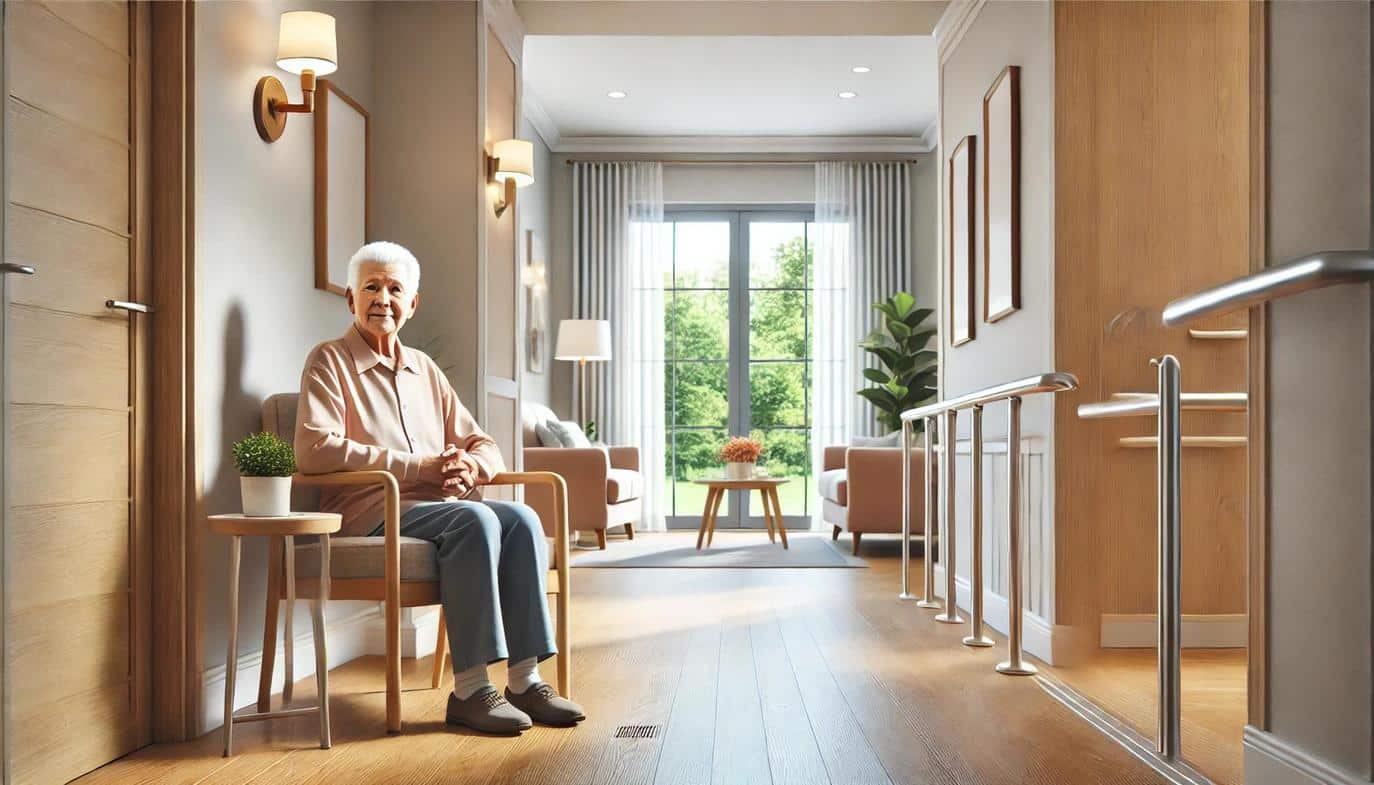
Caring for an aging family member involves making thoughtful adjustments that prioritize their comfort and safety.
Simple changes—from fall-proofing their living space to efficiently managing medications and fostering mental well-being—can greatly enhance their quality of life.
Improvements in accessibility, the selection of proper furniture, and tailored senior care solutions provide crucial support while empowering independence.
Promoting social interactions and encouraging an active lifestyle contribute significantly to their overall happiness and health.
Each senior has unique needs, making regular assessments of their living conditions essential. By making necessary adjustments, they can age with dignity. Taking proactive steps creates a secure and comfortable environment where loved ones can truly thrive.

