
Outdoor living has quietly become the most reimagined part of the modern home. The 2026 U.S. Houzz Outdoor Trends Study, built from a survey of 1,191 homeowners, found that 83% of renovated outdoor spaces now include a dedicated lounge or seating area. Patios, gardens, and backyards are no longer afterthoughts. They work as extensions of the house that need the same planning as any room inside. Behind the shift sits a quiet revolution: connected tools that water plants precisely, light paths automatically, and let homeowners design yards that thrive with less effort. Here is a practical look at how smart technology is reshaping outdoor spaces this year.
Key Takeaways
- Smart irrigation controllers can save a typical U.S. home up to 15,000 gallons of water each year, with soil-moisture systems saving even more.
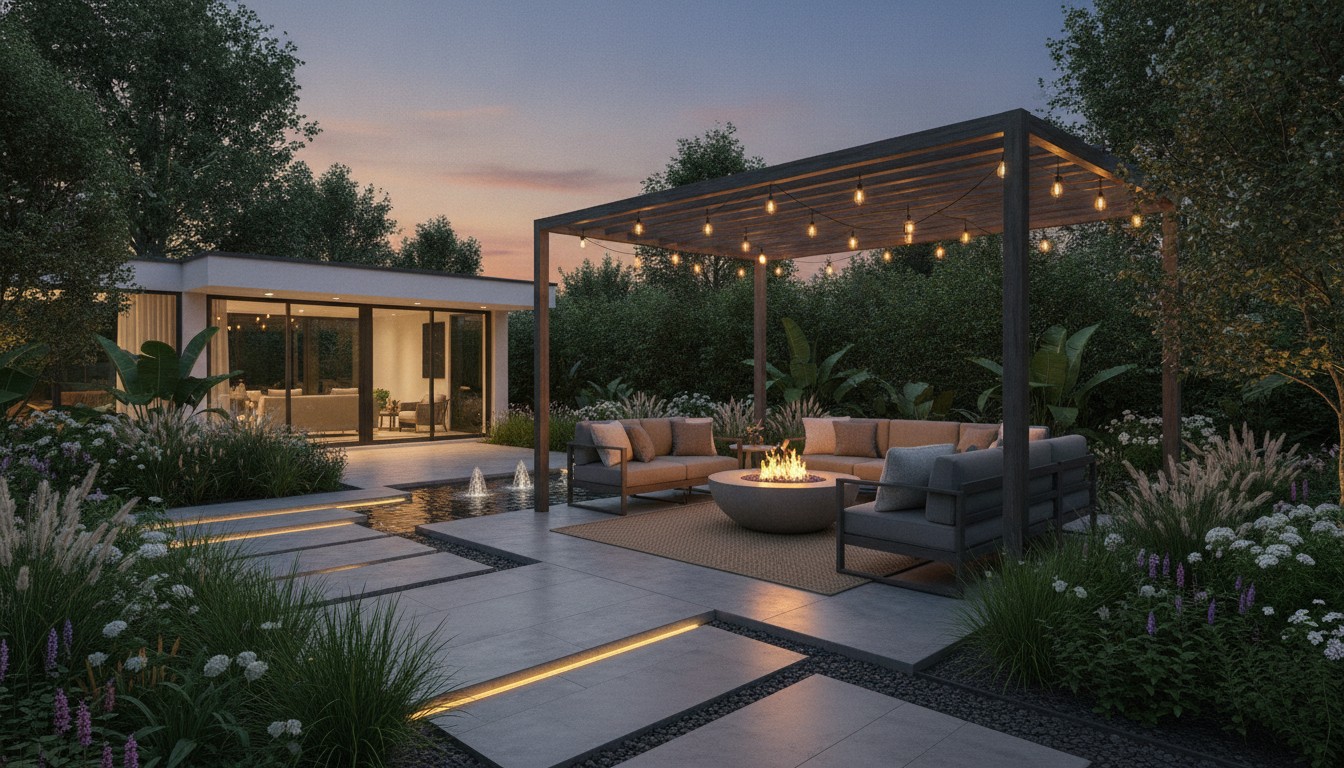
- A total of 83% of renovated outdoor areas now include a lounge or seating zone, built for daily use.
- Professional involvement in outdoor renovations reached a new peak of 71% in 2026.
- Precision apps, soil sensors, and AI planning tools now anchor climate-aware yard design.
- Low-maintenance and drought-tolerant plants lead planting choices for the year ahead.
Why Smart Landscaping Matters in 2026
Homeowners are rethinking what a yard is for. Resale value, once the top driver of renovation, slipped to just 15% of projects in the 2026 Houzz report, down three percentage points from 2024. The share of homeowners renovating to make their outdoor spaces more accommodating climbed to 25%. Backyards are being built to live in, not simply to list.
That shift creates a fresh challenge. A yard designed for daily use needs to perform year-round, handle unpredictable weather, and keep maintenance realistic. Smart tools solve that by automating the repetitive work and streaming real-time data on soil, water, and plant health straight to a phone.
Working with a landscaping partner that understands both the design side and the technology layer makes the result far more cohesive. Toronto-area homeowners planning a full backyard build often turn to Action Home Services for integrated design that folds smart irrigation, lighting, and hardscape into one plan from the start, rather than treating them as upgrades added after the garden goes in.
The Technology Reshaping Modern Yards
Weather and Soil-Based Irrigation Controllers
The irrigation controller is the quiet hero of the smart yard. EPA WaterSense data shows that replacing a standard clock-based controller with a WaterSense labeled weather-based controller can save an average home up to 15,000 gallons of water each year. Soil moisture-based controllers can save more than 15,000 gallons annually by watering only when buried sensors detect that plants actually need a drink.
These devices connect to home Wi-Fi and respond to live weather data: rainfall, humidity, forecast temperatures, and local evapotranspiration rates. Water is delivered when plants need it and skipped when a storm is on its way.
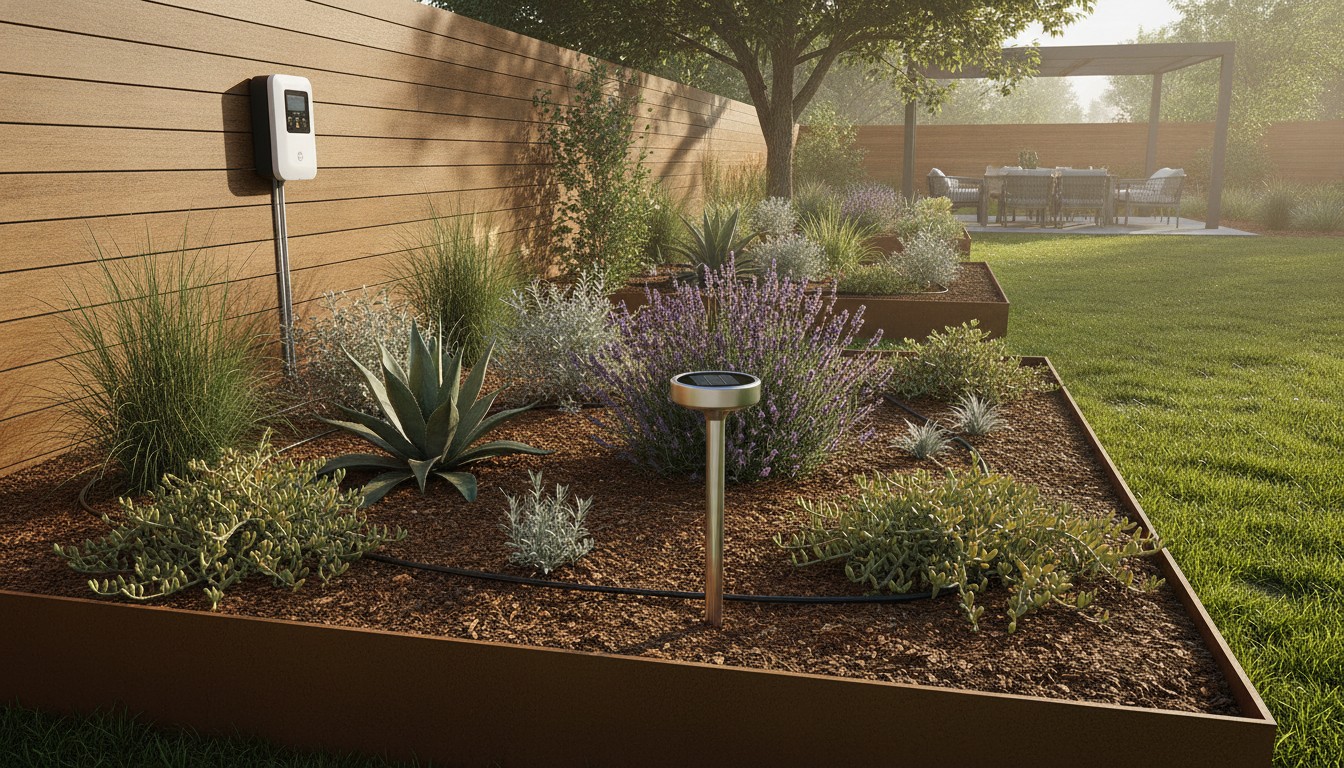
Pro Tip: Pair a weather-based controller with pressure-regulated spray sprinkler bodies. The EPA notes that this pairing improves water uniformity and reduces misting or fogging, both common sources of waste.
AI Garden Planning Apps and Soil Sensors
Precision gardening apps now use phone cameras, local weather data, and plant databases to recommend species, flag early disease, and plan planting zones. The TurfMutt Foundation’s 2026 forecast highlights precision tech-guided gardening as a defining trend for the year, with homeowners mapping sunlight, soil pH, and moisture before a single plant goes in the ground.
Soil sensors push the idea further. A single sensor buried near a plant root zone reports moisture, pH, and temperature straight to a phone app. For homeowners managing many plant types or mixed climate zones in one yard, this takes the guesswork out of care and flags trouble before a plant visibly wilts.
Robotic Mowers, Smart Lighting, and Zoned Automation
Robotic mowers follow a buried wire or GPS boundary and trim the lawn on a quiet schedule, often overnight. Smart outdoor lighting responds to motion, time of day, or a voice command, and can be grouped into scenes for entertaining, security, or a quiet evening read.
Zoned automation ties irrigation, lighting, and even outdoor speakers into one hub. A simple weekend-away routine can water the plants, light the path for a pet sitter, and switch off nonessential power while the owners are out of town.
Water Savings by the Numbers
Standard automatic irrigation systems that run on a timer can waste up to 25,000 gallons of water every year when they are not properly maintained, per EPA WaterSense. The savings from upgrading are concrete, measurable, and visible on the next water bill.
“Replacing a standard clock-based controller with a WaterSense labeled irrigation controller can save an average home up to 15,000 gallons of water annually.”
— U.S. EPA WaterSense
Designing an Outdoor Space That Works With Smart Tech
A smart yard is only as good as the plan behind it. The Houzz 2026 study shows homeowners leaning hard toward low-maintenance planting: the share replacing original lawn with natural grass dropped nine percentage points since 2024, and drought-resistant native species keep rising. Fewer thirsty plants mean smarter water use before the controller even kicks in.
The table below compares a standard outdoor setup with a smart equivalent, so the trade-offs are clear at a glance.
| Yard Element | Standard Setup | Smart Setup |
|---|---|---|
| Irrigation | Timer-based sprinklers on a fixed schedule | Weather-based controller plus soil moisture sensors |
| Lighting | Dusk-to-dawn porch lights | Motion-activated zoned lighting on app control |
| Mowing | Weekly manual or pro cut | Robotic mower on a quiet overnight schedule |
| Plant choice | High-water lawn and ornamentals | Drought-tolerant natives and low-maintenance perennials |
| Monitoring | Visual inspection only | Live sensor data to phone app with alerts |
Where DIY Ends and Professional Help Begins
Professional involvement in outdoor renovations hit a new high in the 2026 Houzz report, with 71% of homeowners hiring a pro. The jump reflects the complexity of modern projects. Smart irrigation tied into a drainage plan, zoned lighting that passes electrical code, and planting schemes driven by AI data all need a coordinator who understands each piece.
When to call a pro: If the project involves trenching, grading changes, outdoor electrical runs, hardscape over 50 square feet, or an irrigation system that will tie into a main water line, a licensed landscape contractor is the safer path. A quick consultation can prevent code issues and unplanned drainage problems later.
A homeowner working with a design-build team often ends up with a yard that performs as a single system rather than a stack of gadgets. That cohesion is why the professional-hire rate has climbed every cycle of the Houzz study.
Questions Homeowners Ask About Smart Yards
Will smart irrigation work with my existing sprinkler system?
In most cases, yes. A smart controller replaces the existing controller box, so the pipes, zones, and sprinkler heads can usually stay. A professional can audit the system first to confirm it is in good working condition before the swap.
How much does a basic smart landscape setup cost?
A WaterSense labeled smart irrigation controller is relatively affordable, while a full setup with soil sensors, smart lighting, and robotic mowing can cost significantly more. Water savings often help offset the cost of the controller over time.
Do smart yards need constant Wi-Fi coverage?
Most devices need a reliable Wi-Fi signal to receive weather updates and app commands. Yards with weak coverage usually benefit from a mesh network router or a weatherproof outdoor Wi-Fi extender near the hub.
What plants pair best with smart irrigation?
Drought-tolerant natives and low-maintenance perennials pair well because they tolerate variable watering and thrive on precision schedules. The 2026 Houzz data shows these varieties are now the top choice among renovating homeowners.
Can smart lighting lower home energy bills?
Yes. LED smart lighting uses far less power than older halogen or incandescent fixtures, and motion-activated schedules mean the lights only run when they are actually needed.
Is a robotic mower worth the investment for a typical yard?
For many average-size lawns, owners find the cost pays back over time through hours of time saved and lower professional mowing invoices.
Where Backyards Go From Here
Smart technology has turned the backyard into one of the most personalized rooms of the modern home. Weather-based irrigation controllers trim thousands of gallons of water off annual use. Soil sensors and AI planning apps remove the guesswork from planting. Zoned lighting, robotic mowing, and integrated hubs tie the pieces together so a yard can run itself through a long weekend away.
The homeowners seeing the strongest results are not the ones buying the most gadgets. They are the ones planning the full outdoor space with a professional who treats irrigation, lighting, planting, and hardscape as one connected system. That approach is why 71% of 2026 outdoor renovations are now going through professionals, and it is the direction the industry keeps moving.
References
- U.S. Environmental Protection Agency, WaterSense Statistics and Facts
- U.S. Environmental Protection Agency, Soil Moisture-Based Irrigation Controllers
- Houzz Inc., 2026 U.S. Houzz Outdoor Trends Study, June 2026
- TurfMutt Foundation, 2026 Backyarding Trends, 2026
- Sunset Magazine, 2026 Garden Trends, 2026


