
Gardening doesn’t require a huge backyard or an expensive overhaul to be effective. In fact, it’s often the subtle, consistent changes that make the biggest difference in your outdoor space. A thoughtfully tended garden improves curb appeal, encourages biodiversity, and provides a calm, satisfying environment to enjoy. Whether you’re starting with a small patio or looking to refresh existing landscaping, practical improvements can produce noticeable results.
With the right approach, even beginners can create inviting, healthy, and beautiful green spaces. These tips focus on simplicity, long-term success, and transforming your garden one achievable step at a time.
Focus on Soil Health First
The condition of your soil determines the long-term success of nearly everything you grow. Good soil doesn’t just hold plants upright; it stores nutrients, retains moisture, and supports the microbial life that feeds plant roots. Before changing anything else, assess the quality of your soil.
You don’t need a lab analysis to get started. Observe how the soil feels in your hands. Is it loose and dark, or compact and pale? Healthy soil is crumbly, rich in organic matter, and well-draining. Adding compost regularly helps create this structure. Once your soil is in better shape, plants respond with stronger growth, deeper color, and improved resilience.
Water Smarter, Not More
Many gardeners overwater their plants without realizing it. While water is critical, too much can lead to root rot, fungus, and weak growth. The key is to water deeply and infrequently, which encourages deeper root development and better drought resistance.
Use early morning hours for watering. This reduces evaporation and allows moisture to reach the roots before the sun intensifies. Installing soaker hoses or drip irrigation systems helps deliver water where it’s needed without waste. Mulching around plants retains moisture and limits the need for constant watering, especially in hot or windy climates.
Make Use of Vertical Space
Vertical gardening is one of the most efficient ways to maximize smaller spaces. Trellises, wall-mounted planters, and hanging pots open up new opportunities to grow herbs, vegetables, and flowers. They also add depth and interest to a flat yard or patio.
Climbing plants such as beans, peas, or even decorative vines like clematis can be trained upward, saving ground space while offering coverage and color. In urban gardens, this method often turns plain fences or balconies into lush green escapes.
Attract Beneficial Wildlife
A healthy garden is alive with more than just plants. Pollinators such as bees and butterflies play a vital role in the ecosystem and should be welcomed. Birds, ladybugs, and other beneficial insects help manage pests naturally, reducing the need for chemical intervention.
You can attract helpful wildlife by planting native species, avoiding pesticides, and incorporating elements like shallow water dishes, flowering herbs, or berry-producing shrubs. These features create a small sanctuary where nature thrives and supports your gardening efforts at the same time.
Keep Edges and Borders Sharp
Garden beds with clean edges appear more intentional and refined. Taking time to define borders around lawns, paths, or flower beds gives the entire area a polished look. Even a quick trim around the edges can dramatically improve the visual impact.
Tools make this task easier. One helpful addition is a reliable trimmer that helps maintain neat edges throughout the growing season. A tool like the Worx string trimmer, or other similar ones, offers a simple way to tidy grass lines, shape around trees, and touch up tight spaces. When garden features are well-defined, everything feels more structured and maintained without needing full redesigns.
Choose Perennials With Purpose
Perennials come back year after year, making them an efficient and budget-friendly option. Selecting varieties that thrive in your specific climate and soil ensures low maintenance and higher performance. Beyond blooms, consider foliage texture, growth habit, and how the plant contributes across seasons.
Look for long-flowering species or those with interesting seed heads or color changes in fall. Mixing evergreen shrubs with deciduous perennials can help maintain visual interest all year. Planning with seasonal variation in mind means your garden looks alive even during transitional months.
Use Containers to Refresh Layouts Easily
Container gardening brings versatility to any outdoor space. Planters are portable, which makes them ideal for experimenting with new combinations or updating your design from season to season. You can change your garden’s appearance just by moving pots or swapping out plants.
Try grouping containers in threes, using different heights and textures for visual interest. This technique works well on patios, decks, and balconies. When space is limited or soil quality is poor, containers allow you to control growing conditions more closely and minimize pest risks.
Prune With Intention
Pruning isn’t about cutting back randomly; it’s about encouraging healthier growth and shaping plants to perform their best. By removing dead or crowded branches, you give plants more airflow and direct their energy to productive areas. Timing and technique depend on the plant, but most respond well to a light trim in early spring or late winter.
Learn the basics of pruning for your most-used plants. With a few precise cuts, you’ll stimulate flowering, control size, and prevent disease. A well-pruned plant produces more color, maintains balance, and fits better into your overall garden design.
Refresh Mulch Seasonally
Mulch is a simple upgrade with a big payoff. It keeps soil moist, discourages weeds, and enhances visual appeal. Organic mulch, such as bark chips or straw, improves the soil as it breaks down, feeding microbes and improving texture.
Spread mulch in a two- to three-inch layer around the base of plants, making sure to keep it a few inches from stems to avoid rot. Refreshing mulch once or twice a year helps keep your garden looking crisp while supporting long-term plant health.
Pay Attention to Light and Placement
Before planting anything, spend time observing how light moves across your space. Some areas receive full sun, while others remain shaded much of the day. Matching plants to their preferred light conditions prevents stress and improves longevity.
Sun-loving species placed in the shade will struggle, while shade plants in hot spots may scorch or wilt. By grouping plants based on their light needs, you create stronger displays that require less intervention. This thoughtful placement also limits the need to relocate or replace underperforming species.
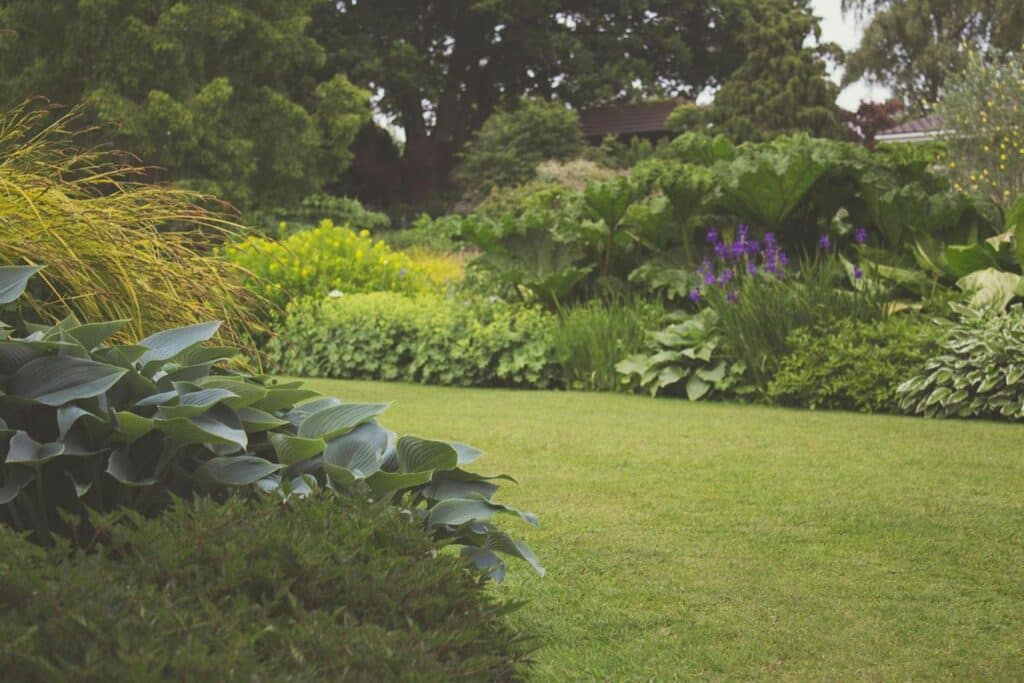
Gardens don’t need to be big to be beautiful. Small actions—such as improving soil, tidying edges, and layering textures—build a more vibrant and functional space over time. Focusing on the details gives you results you can enjoy every season. With the right mindset and tools, every gardener can create a place that grows with purpose and pride.

