
In contemporary interior design, creating a modern suite goes beyond simply choosing stylish furniture. The true art lies in achieving a perfect synthesis of form and function, where every piece is not only visually appealing but also practical for everyday life. This delicate balance, found in details like designer-friendly luxury, is what transforms a room from a showroom into a livable, inviting space.
This guide delves into the essential components that define a successful modern suite. We will explore how upholstery choices set the tone and ensure durability, how subtle edge profiles can dramatically alter a piece’s character, and how the principle of visual weight brings harmony and balance to a room. By understanding these interconnected elements, you can create a space that is both beautiful and functional.

The Core Components of Modern Suite Design
Upholstery: The Foundation of Comfort and Style
Upholstery is often the first tactile and visual cue guests notice in a room.
It dictates not only comfort but also durability, maintenance needs, and aesthetic appeal.
Material Matters
- Natural fibers like linen, cotton, and wool lend a relaxed elegance, ideal for casual yet refined living spaces.
- Performance fabrics (e.g., stain-resistant polyester blends) are perfect for high-traffic areas, offering both style and practicality.
- Leather and faux leather bring a sleek, timeless appeal, though their maintenance needs vary significantly.
Color and Pattern Considerations
In modern suites, upholstery often serves as a visual anchor. Neutral tones create a versatile base, allowing bolder accents in throw pillows, rugs, or art. Meanwhile, rich jewel tones or textured fabrics can turn a sofa into the statement piece of the room.
Pro Tip: When choosing upholstery, always consider light exposure, cleaning routines, and household needs (like pets or children) alongside aesthetic preferences.
Edge Profiles: The Quiet Influencer in Design
Edge profiles — the way corners and seams are shaped — are subtle but powerful in defining a piece’s style. In modern interior design, these profiles can dramatically shift the mood of a suite.
Common Edge Profiles
- Straight/Clean Edges: Minimalist and sleek, these work beautifully in ultra-modern or Scandinavian-inspired interiors.
- Rounded Edges: Softer and more inviting, they create a sense of comfort and flow, ideal for family-friendly spaces.
- Beveled or Tapered Edges: Add a touch of craftsmanship and refinement, often seen in mid-century modern and contemporary luxury pieces.
Why It Matters
The edge profile affects how furniture interacts visually with surrounding elements. For instance, sharp edges can make a piece feel lighter and more geometric, while rounded edges introduce softness and approachability.
Visual Weight: The Unseen Balance
Visual weight is a design principle that refers to how heavy or light an object appears in a space, regardless of its actual mass. In a modern suite, managing visual weight ensures harmony and flow.
How to Balance Visual Weight
- Proportion & Scale: Large, overstuffed furniture demands visual counterpoints, like a bold piece of wall art or a textured area rug.
- Color & Contrast: Darker colors appear heavier, while lighter hues feel airier. Use this to direct attention or create balance.
- Material & Texture: Glossy surfaces feel lighter; matte finishes feel more grounded. Textured upholstery, like boucle or velvet, increases perceived weight.
In Practice: If your modern suite features a low-profile sofa with slim legs, you can offset the airy look with a heavy wood coffee table to keep the composition grounded.

Putting Theory Into Practice
Harmonizing the Three Elements
The most successful modern suites integrate upholstery, edge profiles, and visual weight into a cohesive whole. Here’s how to make them work together:
- Start with Function: Decide how the space will be used most often. This will determine upholstery durability and comfort level.
- Match Edge Profiles to Mood: Sharp lines for a crisp, modern aesthetic; rounded edges for a more relaxed atmosphere.
- Balance Visual Weight: Avoid clustering too many “heavy” pieces in one area; instead, distribute them evenly throughout the room.
Example: In a high-rise apartment living room, you could:
- Select a slate-grey performance fabric sofa (medium visual weight).
- Pair it with a glass coffee table (light visual weight).
- Add an armchair with rounded edges to soften the overall geometry.
Key Trends in Modern Suite Design
Sustainable Upholstery
Eco-conscious fabrics like recycled polyester and organic cotton blends are becoming mainstream, appealing to both style and sustainability priorities.
Mixed Edge Profiles
Designers are combining different edge treatments in a single suite — for example, a sharp-edged sofa with rounded accent chairs — to create dynamic visual interest.
Layered Visual Weight
Instead of balancing heavy and light elements evenly, some designers are using clusters of heavier pieces in one zone and lighter, airier compositions in another, creating intentional focal points.
Common Modern Design Mistakes to Avoid
- Ignoring Maintenance Needs: Choosing white boucle for a high-use family sofa might look great in a magazine, but it is often impractical and difficult to maintain.
- Overloading One Side of the Room: This creates visual imbalance, making the space feel awkward.
- Mixing Too Many Styles: While eclectic design can be beautiful, it requires skill to execute without feeling chaotic. Stick to a unifying element, such as color palette or material type.
Applying These Principles to Your Space
- Audit Existing Pieces: Note the upholstery materials, edge profiles, and visual weight of your current furniture.
- Identify Imbalances: Is one corner too visually heavy? Is your sofa’s edge profile clashing with your coffee table’s style?
- Plan Upgrades Strategically: Focus first on anchor pieces like sofas, beds, or dining tables before moving on to accents.
- Test Before Committing: Use masking tape outlines or furniture templates to visualize how new pieces will affect balance and flow.
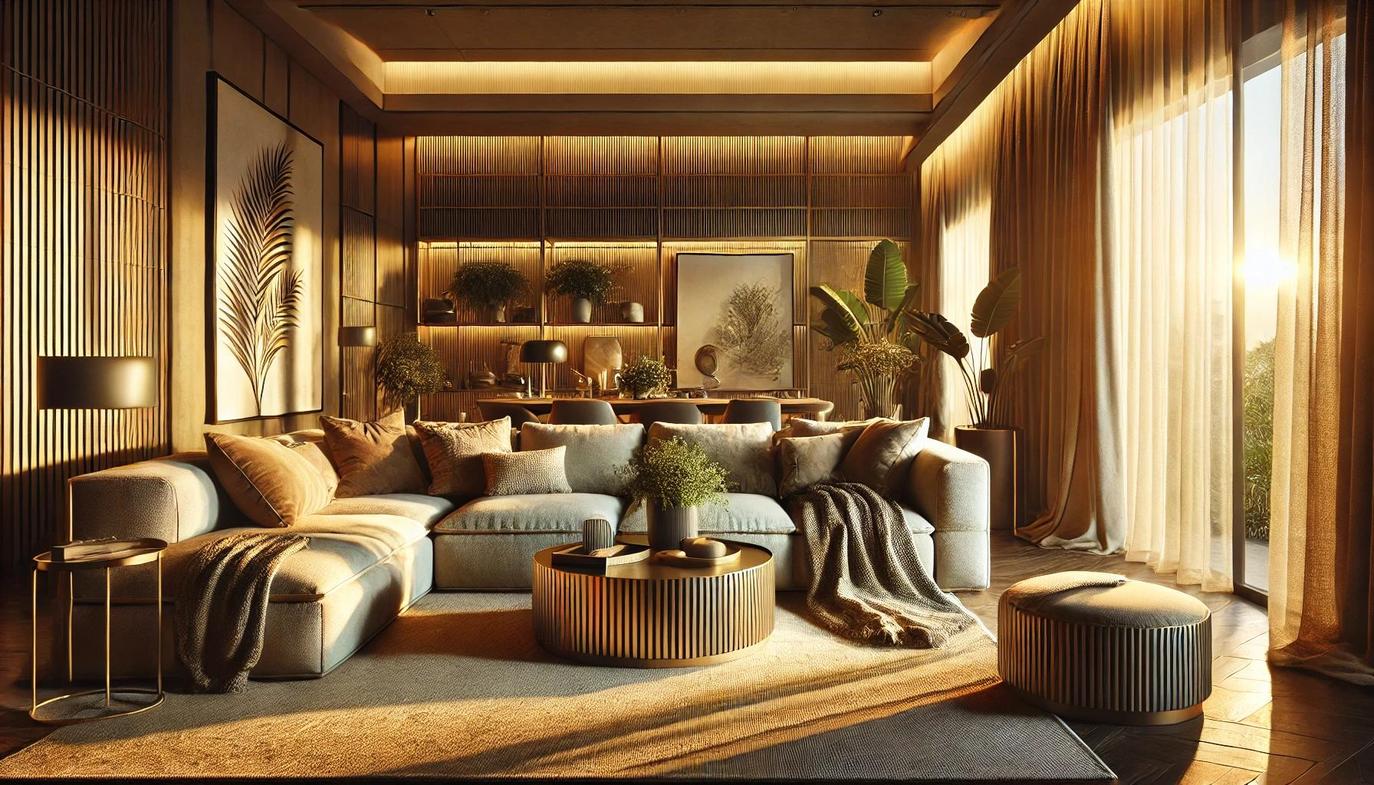
The Art and Science of a Harmonious Modern Suite
Designing a successful modern suite is an exercise in thoughtful curation of elegant interior design. The interplay between upholstery, edge profiles, and visual weight is what elevates a collection of furniture into a cohesive and inviting environment. By moving beyond individual pieces and considering how these three core elements work in harmony, you can create a space that is not only stylish but also deeply resonant with your personal aesthetic and lifestyle needs.
The principles of form and function are not mutually exclusive but are instead partners in creating exceptional design. A well-chosen fabric provides comfort and durability, a subtle edge profile defines the mood, and a balanced visual weight ensures the room feels both grounded and spacious. Armed with this understanding, you are now equipped to make intentional choices that will result in a modern suite that is as functional as it is beautiful.
Key Design Questions for Modern Suites Answered
How do I choose an upholstery fabric for a high-traffic family room?
For high-traffic areas, prioritize performance fabrics. Materials like tightly woven polyester blends, microfiber, or solution-dyed acrylics are designed to resist stains, fading, and wear. They offer the durability needed for daily use while still providing a wide range of stylish options.
Can I mix different edge profiles in the same room?
Yes, mixing edge profiles can create a dynamic and sophisticated look. The key is to maintain a sense of balance. For example, you could pair a sofa with clean, straight edges with softer, rounded accent chairs. This contrast adds visual interest without making the space feel chaotic.
What is the easiest way to adjust visual weight without buying new furniture?
You can easily adjust visual weight with accessories. To lighten a “heavy” area, introduce elements like a glass coffee table, a light-colored area rug, or mirrors. To ground a “light” area, add a dark, textured throw blanket, substantial floor lamps, or bold, large-scale artwork.

