
Clinical researchers have recognized the link between type 2 diabetes and elevated cancer risk for decades, yet the underlying biological drivers are only now coming into sharp focus. The type 2 diabetes cancer connection involves a sophisticated interplay of hormonal signaling and cellular energy use that extends far beyond simple glucose management. Metabolic medications like metformin and Ozempic are increasingly viewed as transformative tools that may influence these pathways, potentially reducing the likelihood of tumor development by addressing the metabolic regulation of cancer.
A 2025 analysis underscores how diabetes drugs impact molecular pathways related to inflammation and cell growth. These findings, which clarify the relationship between diabetes drugs and cancer risk, echo what scientists have long suspected: metabolism acts as a primary lever for cellular health, determining whether tissues remain stable or transition into disease. For the millions of individuals navigating metabolic challenges, these insights represent a paradigm shift. Rather than focusing solely on a blood sugar number, medical experts are examining how metabolic regulators can proactively reshape the body’s internal environment to discourage cancer progression.
Those relying on metformin or GLP-1 receptor agonists are part of a new era of precision health where diabetes drugs and cancer risk are evaluated simultaneously. These treatments might do more than stabilize energy; they may physically alter the risk landscape for liver, colon, and kidney malignancies. Mastery of these metabolic mechanisms allows modern medicine to convert daily treatments into strategic defenses for long-term survival and disease prevention.

Quick Facts: Diabetes, Drugs, and Cancer Risk
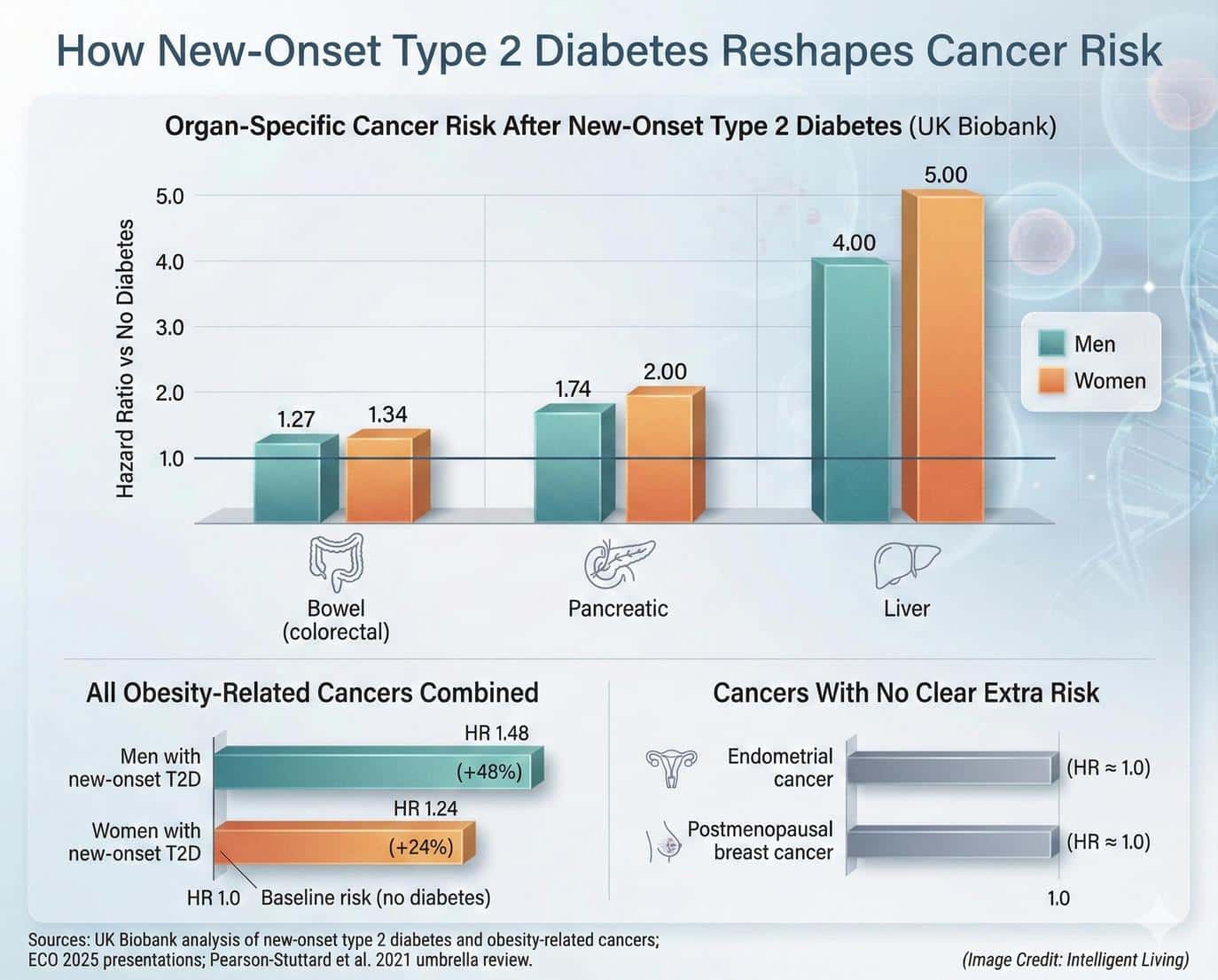
- People with type 2 diabetes have a higher likelihood of developing several cancers, including liver, pancreatic, colorectal, endometrial, and bladder cancer, according to multiple large-scale analyses.
- Metformin users have shown a 20–30% lower incidence of certain cancers in some studies, though researchers caution that observational bias may play a role.
- GLP-1 receptor agonists, like Ozempic and Wegovy, appear to lower the risk for obesity-related cancers but may raise questions about kidney cancer, which scientists are still investigating.
- SGLT2 inhibitors, a newer class of diabetes drugs, show little direct effect on cancer incidence but may help improve overall survival by protecting heart and kidney health.
- Managing weight, diet, and physical activity remains the most powerful way to reduce both diabetes and cancer risk.
Biological Foundations of the Type 2 Diabetes Cancer Connection
Shared Risk Factors and Overlapping Diseases
Chronic high blood sugar and insulin resistance create conditions that not only disrupt metabolism but also allow tumors to thrive, linking type 2 diabetes with cancer development through deeply interconnected biological and lifestyle foundations.
Elevated insulin levels act as growth signals for cells, while persistent inflammation caused by excess visceral fat can trigger DNA damage and cellular mutations. Left unaddressed, this metabolic environment encourages normal cells to abandon their usual limits and divide without restraint.
The Growth Signal Link: Insulin Resistance and Cell Division
The connection is especially strong in cancers linked to obesity and metabolic dysfunction, such as liver, pancreatic, endometrial, and colorectal cancers. Large-scale metabolic and oncological research data and comprehensive reviews of observational studies consistently show that people with type 2 diabetes face higher rates of these cancers compared to those without diabetes. Even after adjusting for weight and age, diabetes itself remains an independent risk factor.
Biological Drivers of Metabolic Tumor Development
Recent metabolic research identifies several key biological drivers that link diabetes to tumor development:
- Hormonal Growth Signals: Elevated insulin overstimulates specific cellular pathways, including IGF (insulin-like growth factor), mTOR, and MAPK. Each of these mechanisms is recognized for its critical role in the development and progression of cancer.
- Chronic Inflammation: Visceral fat releases pro-inflammatory cytokines that trigger oxidative stress and DNA damage, fueling tumor-friendly environments.
- Metabolic Environment: High glucose levels provide the fuel necessary for rapid, uncontrolled cell division.
These overlapping factors demonstrate why managing systemic metabolism is essential for reducing long-term cancer risk. Lifestyle patterns play a major role here. Diets high in processed carbohydrates drive blood glucose spikes, while inactivity slows the body’s ability to burn fuel efficiently. Implementing sustainable changes in diet and daily exercise improves insulin sensitivity and helps lower cancer risk.
Metabolism is a Cancer Lever: What Diabetes Drugs Really Change
From Blood Sugar to Tumor Microenvironments
The review from Peking University explains how diabetes drugs affect cancer development by changing inflammation and how cells use energy. These findings show that these medications can carefully adjust the body’s internal biological processes. By changing the tumor microenvironment, these treatments help create conditions that make it harder for diseases to grow.
Metformin, for example, activates an enzyme called AMPK, which helps regulate how cells use and store energy. By dampening another growth-related pathway known as mTOR, metformin can slow down abnormal cell division and reduce inflammation. Some studies suggest that this effect could make tumors less aggressive and more responsive to standard cancer treatments. That’s why researchers have begun investigating whether metformin might serve as a low-cost adjunct therapy for certain cancers.
GLP-1 receptor agonists like Ozempic and Wegovy take a different route. They mimic a natural hormone that helps control appetite and blood sugar. Beyond weight loss, these medications modulate insulin pathways and influence the biology of hormone-sensitive tumors.
Weight Loss Versus Direct Metabolic Action
Distinguishing between direct drug effects and the broader benefits of weight loss remains a critical task for researchers. A review of clinical population outcomes found that GLP-1 users had lower rates of endometrial, ovarian, and meningioma cancers. However, there’s also a signal for higher kidney cancer risk that scientists are watching closely.
SGLT2 inhibitors, another modern class of diabetes medications, help the body remove excess sugar through urine while slightly lowering blood pressure and improving kidney function. Early studies show these drugs have a neutral or slightly positive effect on overall cancer risk, with some benefits seen in liver and prostate cancer cases.
Why Mechanisms Matter More Than Hype
Headlines frequently exaggerate the immediate benefits of these drugs, but the biological reality is more grounded. Diabetes medications impact cancer risk because they physically alter metabolism, changing how our cells grow, repair themselves, and respond to environmental stress. Much of the existing evidence comes from observational research rather than randomized clinical trials, which makes it difficult to separate correlation from causation.
The most realistic takeaway is that diabetes medications influence a system that’s already complex. Their benefits or risks depend on context: a person’s weight, diet, genetics, and duration of drug use all make a difference. As new research emerges, scientists are calling for long-term clinical trials that track both metabolic health and cancer outcomes simultaneously.
By viewing metabolism as a whole ecosystem, rather than a single number on a blood test, both patients and physicians can make more informed decisions. Diabetes drugs may one day be recognized not only as sugar regulators but also as instruments that tune the broader biological symphony of health.

From Sugar Pills to Cancer Allies? What the Evidence Shows So Far
Overall, the consensus from the scientific community is cautious optimism. Diabetes drugs aren’t miracle cancer cures, but they appear to influence the body’s internal chemistry in ways that could reduce cancer risk over time. As researchers continue exploring how metabolism intersects with oncology, one thing is clear: managing blood sugar may be only part of the story. The future of medicine may lie in using metabolic therapies not just to treat disease, but to help the body stay one step ahead of it.
Metformin’s Evolving Anti-Cancer Story
Evidence supporting metformin’s role in cancer defense stands as the most robust in the metabolic drug landscape. Over a decade of retrospective drug data has associated metformin use with lower rates of breast, colorectal, and prostate cancers. One meta-analysis of more than 47 studies estimated that people taking metformin had a 30% lower overall risk of cancer compared to those using other diabetes medications. However, recent analyses have emphasized the role of study bias—patients on metformin tend to be earlier in their disease progression and often healthier in other ways.
Mechanistically, metformin’s influence on the AMPK and mTOR pathways helps explain why these effects are plausible. It slows down cancer cell growth by reducing energy availability and limiting the metabolic flexibility that tumors rely on. Clinical trials are now testing whether metformin can improve survival in colorectal and breast cancers, with early results showing moderate but meaningful benefits.
GLP-1 Drugs in the Cancer Conversation
The global popularity of GLP-1 receptor agonists such as Ozempic and Mounjaro has sparked enormous curiosity about their long-term safety. Recent population studies suggest that these drugs may lower overall cancer risk by reducing obesity, improving insulin sensitivity, and lowering chronic inflammation. A review of clinical population outcomes found that GLP-1 users had lower rates of endometrial, ovarian, and meningioma cancers, though a slight increase in kidney cancer cases prompted further research.
Distinguishing between direct drug effects and the broader benefits of weight loss remains a critical task for researchers. Losing excess fat alone reduces cancer risk, so researchers are working to determine how much of GLP-1’s apparent benefit comes from improved metabolism versus direct drug action on tumor pathways. For now, the evidence leans toward GLP-1 drugs being either neutral or modestly protective, rather than harmful.
SGLT2 Inhibitors: Quietly Helpful, Mostly Neutral
SGLT2 inhibitors such as dapagliflozin and empagliflozin offer another intriguing story. These medications help eliminate glucose through the kidneys, improving cardiovascular outcomes and reducing inflammation. Consistent cardiovascular and metabolic trials show no meaningful increase in cancer incidence, and some studies even suggest slight reductions in liver and lung cancer risk. For patients undergoing chemotherapy, SGLT2 drugs may improve survival indirectly by protecting heart and kidney function, two organs often stressed by cancer treatment.

The Ecology of Human Health: Shared Roots of Diabetes, Obesity, and Cancer
How Lifestyle, Environment, and Metabolism Intersect
When scientists talk about diabetes and cancer sharing the same roots, they’re describing a larger pattern: both are diseases of disrupted balance. Biological ripple effects triggered by chronic stress, nutritional gaps, and inactivity fundamentally alter how cells repair damage and maintain stability. These influences extend from the kitchen to the workplace to the air we breathe.
High-calorie diets rich in processed sugars and fats overwhelm the body’s metabolic pathways, while environmental toxins and endocrine disruptors found in plastics, air pollution, and household products interfere with hormones that regulate blood sugar and cell division. Applying ancestral health patterns focusing on balanced nutrition and community movement leads to lower rates of metabolic disease and cancer. These insights underscore that biology and lifestyle are deeply intertwined.
Building Resilience Through Everyday Habits
Reducing cancer and diabetes risk is not only about medication; it is about strengthening the entire metabolic ecosystem. Regular exercise boosts insulin sensitivity, and the physiological advantages of movement extend to cardiovascular and immune health as well.
Plant-forward diets rich in fiber and antioxidants provide essential nutritional inflammation management. Incorporating omega-3 rich foods, such as walnuts, provides the body with the nutrients needed to maintain metabolic balance. Managing stress through mindfulness, adequate sleep, and time outdoors helps rebalance cortisol and insulin levels.
Mastering foundational health markers creates a ripple effect across the body’s systems. When insulin, inflammation, and immune responses fall into sync, the same biological processes that feed diabetes and cancer begin to stabilize.
If You’re on Metformin or Ozempic Right Now: What This Means for You
Understanding the Current Evidence
For people already using metformin or Ozempic, current research offers more reassurance than alarm. There’s no credible evidence that these medications increase overall cancer risk. In fact, many studies suggest they may be neutral or beneficial. Metformin exhibits the strongest protective signals, potentially reducing recurrence in certain cancers when used in conjunction with standard therapy. While questions about kidney cancer remain under investigation, Ozempic and other GLP-1 receptor agonists show early promise in reducing risks tied to obesity-related cancers.
Talking With Your Doctor
If you’re managing diabetes, it’s best not to make medication changes based on headlines. Instead, bring your questions to your healthcare provider. Ask about personal cancer risk factors, family history, and appropriate screenings. Doctors can also help adjust medication types or doses if you have specific concerns. Combining these drugs with consistent improvements in diet, movement, and sleep offers the best long-term protection.
Monitoring and Prevention Strategies
Proactive health management is essential for anyone using metabolic medications to ensure optimal safety and effectiveness. By staying engaged with your healthcare team, you can monitor how your body responds to treatment and address potential risks early. Consider these core practices for maintaining your long-term health:
- Schedule regular blood work to track glucose levels and organ function.
- Prioritize sustainable weight management through consistent lifestyle habits.
- Notify your physician immediately of any persistent or unusual symptoms.
- Review new clinical data as researchers clarify the long-term impact of diabetes drugs.
Taking these steps empowers you to play an active role in your own prevention strategy. Consistency in monitoring ensures that your metabolic treatment remains a safe and supportive part of your broader health journey.

Leveraging Metabolic Regulation for Comprehensive Cancer Defense
Metabolism serves as the functional core of chronic disease management, and the intersection of diabetes treatment and oncology represents a major advance toward precision medicine. While glucose control remains vital, the true power of these medications lies in their ability to modulate inflammation and hormone balance at a systemic level.
Strategic Drug Repurposing for Long-Term Survival
Mastery of these metabolic interactions allows for the strategic use of existing treatments to secure lasting health. Future clinical trials are expected to clarify how metabolic medications can be optimized to improve survival while confirming the long-term safety of these preventive strategies.
The strategic repurposing of established medications represents a sustainable and highly effective approach to modern healthcare. Utilizing well-documented compounds like metformin or SGLT2 inhibitors for cancer prevention reduces the reliance on costly, new-to-market pharmaceuticals while maximizing patient safety. This integrated model of health focuses on strengthening the entire metabolic ecosystem through a combination of evidence-based therapy and resilient lifestyle habits. By prioritizing systemic balance, patients and providers can leverage existing medical solutions to stay ahead of disease and build a more resilient future.
Mastering cellular-level longevity markers provides a foundation for the next generation of precision health. Innovative methods for reprogramming cancer cells through hydrogel technology and the development of bio-inspired oncology treatments highlight a shift toward more sustainable, efficient therapies.
Common Questions About Diabetes Management and Cancer Safety
Do Specific Diabetes Drugs Trigger Tumor Growth?
Current evidence indicates that most diabetes medications are neutral or protective. While researchers are investigating specific signals like kidney cancer in GLP-1 users, no definitive causal link for tumor growth has been established.
How Does Metformin Support Cancer Prevention?
Metformin activates the AMPK enzyme, which inhibits the mTOR growth pathway. This metabolic regulation can slow abnormal cell division and reduce the chronic inflammation that often fuels tumor development.
Are Ozempic and GLP-1 Medications Safe Long-Term?
Large-scale population studies suggest these drugs are safe and potentially reduce obesity-related cancer risks. Doctors recommend them for their significant metabolic and cardiovascular benefits despite ongoing investigations into rare side effects.
Can High Blood Sugar Directly Cause Cancer?
High blood glucose and insulin resistance create an environment rich in growth signals and inflammation. These conditions can trigger DNA damage and facilitate the uncontrolled division of normal cells.
What Role Do SGLT2 Inhibitors Play in Oncology?
SGLT2 inhibitors primarily protect heart and kidney function while eliminating excess glucose. They appear to have a neutral or slightly positive effect on cancer risk, particularly in liver and lung cases.


