
Diesel owners require performance that translates directly to the pavement, not just impressive statistics on a spec sheet. Factory settings often prioritize broad compliance over individual capability, leaving significant power and efficiency untapped. Bridging this gap requires precision technology designed to align engine output with the specific demands of towing, hauling, or daily driving.
Defining Real-World Diesel Performance Expectations
Integrating a smart tuning device transforms the driving experience by optimizing the engine’s electronic control unit. These adjustments refine fuel delivery and timing to access torque that was previously restricted by conservative manufacturer programming. The result is a machine that responds instantly to throttle inputs and manages heavy loads with reduced strain.

The Mechanics of ECU Remapping and Output Enhancement
Smart tuning devices interface directly with your diesel engine’s control modules, rewriting logic to fit your needs. ECU remapping adjusts fuel delivery with ruthless precision and adjusts timing to maximize combustion force while maintaining cleaner emissions. Real-time monitoring means the system can adapt the moment conditions change. Precision replaces guesswork.
Before a tune, you might see 800 lb-ft of torque on the dyno. After, you’re pulling 950 and feeling every pound through the driveline. Real-world data validates performance beyond marketing claims. This distinction marks the difference between a truck merely functioning and one dominating the task.
Choosing the Best Diesel Tuner for Your Truck
Compatibility is non-negotiable, but usability matters just as much. When choosing a device, prioritize these features:
- User Interface: Look for a clean layout that doesn’t require an engineering degree to navigate.
- Map Flexibility: Decide between custom mapping capabilities or plug-and-play convenience.
- Support & Reputation: Ensure the manufacturer provides regular software updates and has a solid reputation among seasoned users.
Reliable tech support provides value comparable to the fuel savings achieved. Community feedback proves invaluable during troubleshooting scenarios. If you’re ready to cut through marketing noise, a bully dog tuner is a reliable, industry-verified tuner solution.
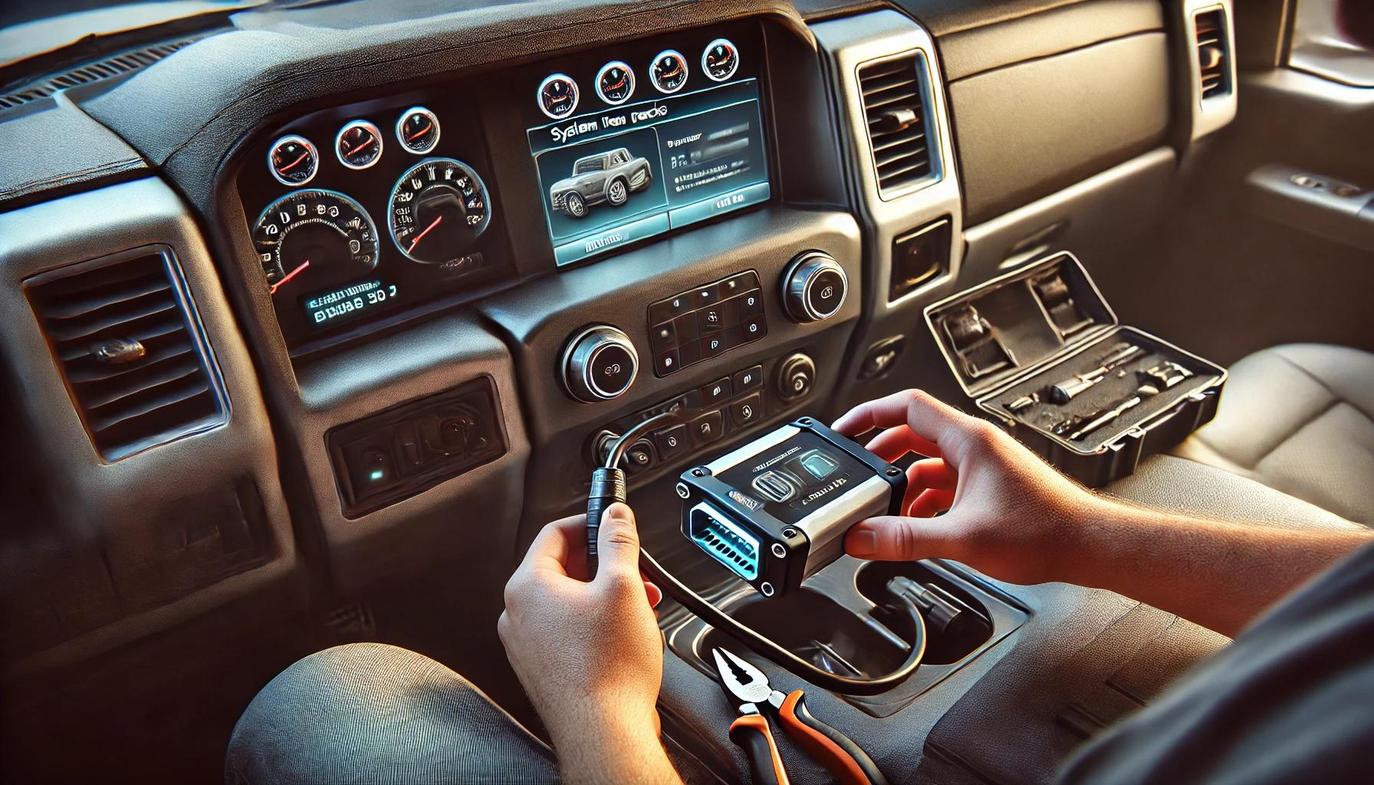
Step-by-Step Installation Guide for Tuning Devices
Even premium tuners fail if installed incorrectly. Follow these steps to ensure a stable connection:
- Secure the Connection: Find your OBD-II port and connect firmly, verifying power-on without skips. Loose connections cause inconsistent performance.
- Update Firmware: Always check for the latest software before you start. One outdated file can compromise the entire installation process.
- Establish Baselines: Perform dyno or road tests before and after installation to verify gains with data rather than guesswork.
Verifying Performance Gains: Dyno Data and Real-World Testing
Data drives every decision in performance tuning. Use these methods to validate your results:
- Dyno Testing: Look for steady horsepower climbs and broad torque gains rather than short peaks.
- Diagnostic Logs: Monitor on-board data to reveal fuel efficiency shifts undetectable by feel alone.
- Real-World Testing: Evaluate performance on highways at sustained speeds, during fully loaded climbs, and on familiar routes.
Cold numbers strip away hype and show the exact value of your tune.
Essential Maintenance for Long-Term Tuner Reliability
Neglecting upkeep leads to gradual performance degradation. Maintain system stability with this routine:
- Firmware Updates: Install updates regularly to fix bugs and improve compatibility.
- Factory Backups: Save your stock settings locally in case a quick reset is required.
- Physical Inspection: Check cables for wear and verify secure connections.
- Periodic Calibration: Re-calibrate the system periodically rather than treating it as a one-time task.
Tie maintenance to your oil change schedule so it actually happens. Consistency keeps your performance gains from disappearing over time.

Advanced Tuning Strategies for Heavy Loads and Competition
Once the fundamentals are locked in, serious operators start playing with switchable power levels tailored to specific loads. One profile for towing, another for speed runs. Some integrate with data-logging apps or add aftermarket sensors for pinpoint control. Every layer of complexity adds capability but also risk. Push too far and you’ll stress the drivetrain until it cracks. Precision tuning requires exact adjustments rather than blunt force changes.
Future Trends in Diesel Performance Technology
Future innovations are rapidly approaching. Expect tunes delivered directly from the cloud and AI-driven mapping that learns your driving habits. Seamless over-the-air updates will keep the engine’s logic optimized beyond human capability. The gap between mechanics and software engineers will fade. Stay plugged into the right forums, show up at industry meets, and keep hunting for the next performance leap. Tomorrow’s diesel belongs to those willing to explore before everyone else does.

Unlocking the Full Potential of Your Diesel Engine
Optimizing your diesel engine is an investment in both capability and longevity. By selecting the right tuner and adhering to a strict maintenance schedule, you ensure that increased power does not come at the cost of reliability. The balance between aggressive performance and mechanical safety defines the success of any tuning project.
Embracing these enhancements allows your vehicle to perform at its true potential, whether towing heavy payloads or navigating highway commutes. With precise installation and data-driven adjustments, your diesel truck transitions from a standard factory model into a purpose-built powerhouse ready for any challenge.
Frequently Asked Questions About Diesel Tuning
Will installing a tuner void my factory warranty?
Most manufacturers will void the powertrain warranty if they detect a tuner, as it alters factory operating parameters. However, the Magnuson-Moss Warranty Act protects you from having the entire vehicle warranty voided unless the dealer proves the aftermarket part caused the specific failure.
How much fuel economy gain can I expect?
Drivers typically see an improvement of 1 to 3 miles per gallon after tuning, depending on driving habits and load. The efficiency comes from optimized fuel timing and increased torque, allowing the engine to do more work with less throttle input.
Is it difficult to install a diesel tuner yourself?
Most modern tuners are designed for plug-and-play installation via the OBD-II port and take only minutes to set up. However, complex setups involving physical chip installation or custom exhaust mapping may require professional assistance to ensure safety.
Can a tuner damage my transmission?
Adding significant horsepower and torque without upgrading the transmission can lead to premature wear or failure. It is crucial to choose a tune that matches your drivetrain’s limits or invest in transmission upgrades to handle the extra power.
How often should I update my tuner device?
Check for software updates at least once a quarter or whenever the manufacturer releases a patch. Updates often include bug fixes, new features, and refined maps that ensure your device communicates correctly with the vehicle’s ECU.


