
As the quest for sustainable living intensifies, the architecture and construction industries continually evolve to incorporate technologies that promote energy efficiency and cost-effectiveness. One of the most promising areas of advancement is the development of smart roofing solutions. These modern roofing technologies not only enhance a home’s aesthetic appeal but also offer significant economic benefits, making them a wise investment for the future.
Introduction to Smart Roofing
Smart roofing refers to roofing systems that incorporate technology to improve a building’s energy efficiency. Smart roofs play a pivotal role in reducing heating and cooling costs by using materials and designs that minimize energy waste.
This aspect of home improvement, smart roofing, is not just a trend but a growing movement among homeowners looking to decrease their environmental footprint while enhancing their property value. By choosing smart roofing, you’re joining a community of forward-thinking homeowners.

Innovations in Smart Roofing Technologies
The field of smart roofing has seen remarkable innovations that promise improved energy efficiency and integrate seamlessly with home energy management systems.
Solar Roof Tiles
One of the most significant advancements in roofing technology is the development of solar roof tiles. Unlike traditional bulky solar panels, these tiles are designed to blend with conventional roofing materials, providing a more aesthetically pleasing solution.
Solar roof tiles function as a dual-purpose material, protecting the home from the elements while converting sunlight into electricity. This integration can lead to savings on electricity bills and reduce dependence on non-renewable energy sources, but the economics are far more demanding than the aesthetics suggest: on an installed basis, a tiled solar roof costs roughly twice as much per watt as rack-mounted panels, and Tesla exited the category in 2026. We explain why solar roof tiles remain a niche product.
Insulated Roofing Systems
Another innovation is the advent of advanced insulated roofing systems. These systems are designed to maintain a stable temperature within a home, regardless of external weather conditions.
Using highly reflective materials and thermal insulating layers, you can count on these roofs to prevent heat from escaping during winter and block it from entering during summer. The result is a significant reduction in the need for heating and cooling, which can account for a large portion of a home’s energy consumption.
Integration with Home Energy Management Systems
Smart roofing technologies increasingly integrate with home energy management systems (HEMS). These systems allow homeowners to monitor and control energy usage in real-time, optimizing consumption and reducing costs.
For instance, a smart roof with solar tiles can feed data directly into a HEMS, enabling the homeowner to track energy production and adjust usage based on peak production times. This level of integration not only boosts energy efficiency but also enhances the overall utility of the roofing system.
Economic Benefits and ROI
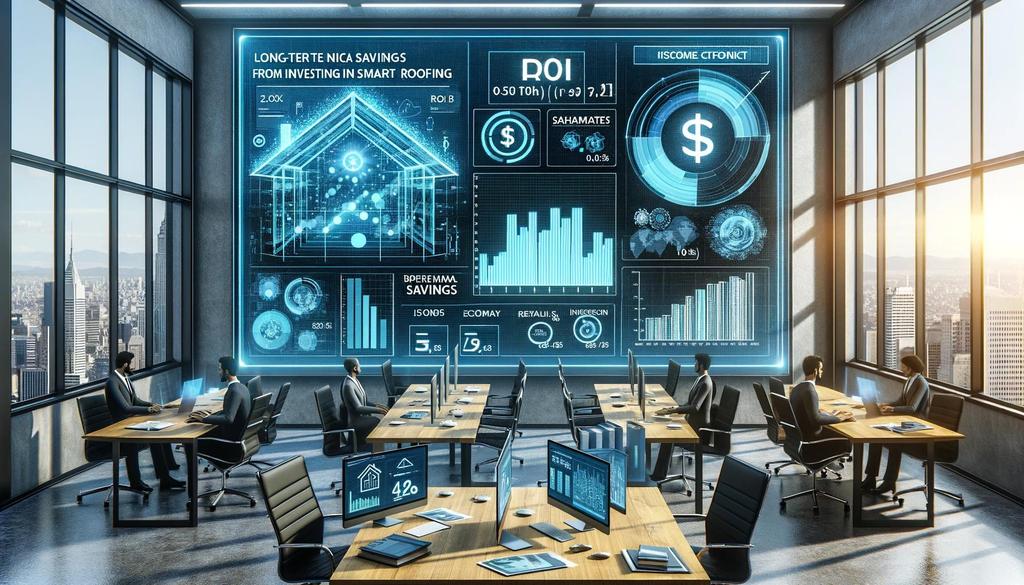
Investing in smart roofing offers significant economic benefits. Although the cost may be higher initially compared to traditional roofing materials, the long-term savings are substantial.
Energy Cost Savings
The primary financial benefit of innovative roofing is the reduction in energy costs. Homes equipped with solar roof tiles can generate their electricity, drastically reducing their monthly energy bills. Similarly, insulated roofing systems help maintain optimal indoor temperatures, reducing the workload on heating and cooling systems and lowering energy costs.
Not only do these energy-efficient roofing solutions lead to immediate cost savings, but they also contribute to a more sustainable and environmentally friendly way of life. Embracing these technologies benefits homeowners financially and helps reduce the overall carbon footprint associated with traditional energy consumption.
Increased Property Value
Smart roofs can significantly increase a property’s market value. Homes with upgraded, energy-efficient technologies are highly sought after in the real estate market. Potential buyers are often willing to pay a premium for homes that offer reduced utility costs and environmental impact.
In addition, government incentives and rebates for installing energy-efficient roofing systems can further enhance the attractiveness of these properties to environmentally conscious buyers. By investing in smart roofing solutions, homeowners enjoy immediate financial benefits and position their property as a desirable asset in a competitive real estate market.

Long-term Durability and Reduced Maintenance Costs
Innovative roofing materials are typically more durable than traditional roofing materials. For example, solar tiles are designed to withstand harsh weather conditions, which can reduce the frequency and cost of repairs. This durability also contributes to the overall return on investment (ROI) by extending the roof’s lifespan.
Homeowners can enjoy long-term cost savings by choosing innovative roofing materials that prioritize durability and minimize maintenance and replacement expenses. These materials’ extended lifespan not only reinforces the property’s structural integrity but also ensures continued energy efficiency and financial benefits over time.
Comparing ROI with Traditional Roofing
When exploring the broader implications of choosing between smart roofing and traditional options, it becomes evident that the decision extends beyond mere financial considerations. Conducting a thorough cost-benefit analysis showcases that the initial investment in innovative roofing solutions pays off significantly over the years through reduced utility bills and enhanced property value.
Traditional roofing may offer cost advantages at the outset, but the long-term financial and environmental advantages of smart roofing make it a compelling choice for homeowners looking to make a sustainable and financially wise investment.
Considerations extend beyond financial implications alone when regarding wise home improvement choices. Factors such as environmental impact, resilience to shifting climate patterns, and overarching sustainability initiatives are pivotal influencers in homeowners’ decision-making processes. These elements sculpt the current financial outlook and lay the foundation for a profound and lasting dedication to fostering a more environmentally conscious and sustainable future through innovative roofing technologies.
Making the Smart Choice
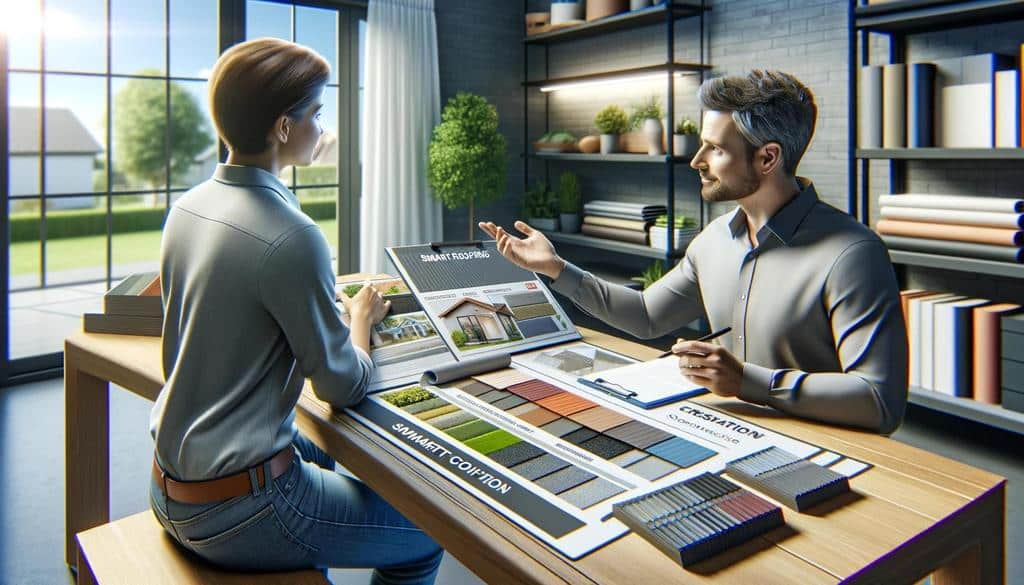
Investing in longevity is crucial when making decisions about your home, ensuring that your choices stand the test of time and provide enduring value. Smart roofing emerges as a pivotal player in safeguarding your investments, both within and outside your property.
Particularly in a city like Seattle, known for its high rainfall, selecting smart roofing solutions proves essential in protecting your home from moisture-related issues and sustaining its structural integrity in the face of constant environmental challenges. By prioritizing durable and energy-efficient roofing options, homeowners not only secure their property against the harsh elements but also bolster the longevity and value of their investment, creating a safe and sustainable haven for years to come.
For homeowners considering a roof replacement in Seattle, it’s essential to consider the immediate costs and the long-term benefits. Smart roofing systems represent a forward-thinking investment that reduces ongoing expenses and increases the home’s sustainability. When contemplating a roof upgrade for your Seattle home, consider the initial expenses and the lasting advantages. Opting for smart roofing isn’t just a financial decision; it’s a step towards a greener, more cost-effective future for you and your community.

Challenges and Considerations
While the benefits of smart roofing are numerous, there are several challenges and considerations that homeowners should take into account.
Initial Cost and Installation
The upfront cost of smart roofing systems is higher than that of traditional roofing. Installation also requires skilled professionals familiar with the newer technologies, which can add to the initial expenses. However, these costs must be weighed against the long-term savings and environmental benefits.
Maintenance and Technology Updates
Keeping a smart roof in optimal condition might involve regular updates and maintenance, especially as the technology evolves. Homeowners should consider the availability of professional services supporting sophisticated roofing systems.
Market Readiness and Accessibility
The availability of advanced roofing technologies can vary by region and is influenced by factors such as market demand and local building regulations. Due to the specialized nature of these products, homeowners interested in these options might need to research the best providers in their area and possibly wait longer for installation.
Regulatory Support and Advocacy
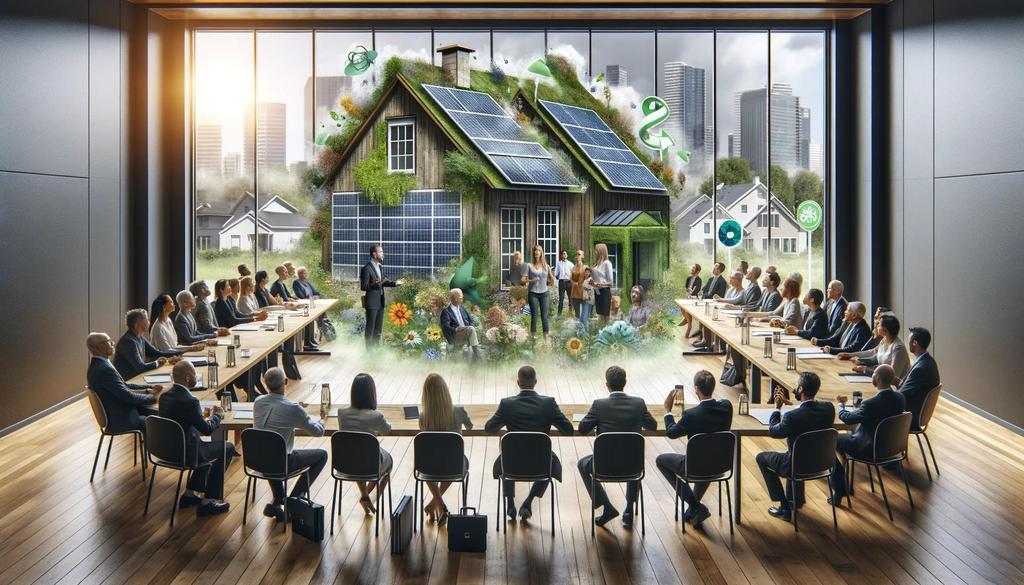
Governmental policies and regulatory frameworks can significantly influence the growth of smart roofing technologies. Advocating for supportive legislation can facilitate broader adoption and integration of these systems into mainstream construction practices.
Incentives and Subsidies
Governments can play a crucial role by offering tax incentives, subsidies, or rebates for homeowners who decide to install smart roofing systems. Such financial support makes these technologies more accessible to a broader audience and can accelerate their adoption.
Building Codes and Standards
Updating building codes to include provisions for smart roofing technologies can ensure that new constructions comply with energy efficiency standards. These codes can encourage or even mandate such innovations, pushing the entire industry towards more sustainable practices.
Smart Roofing: Building Sustainable Homes for the Future
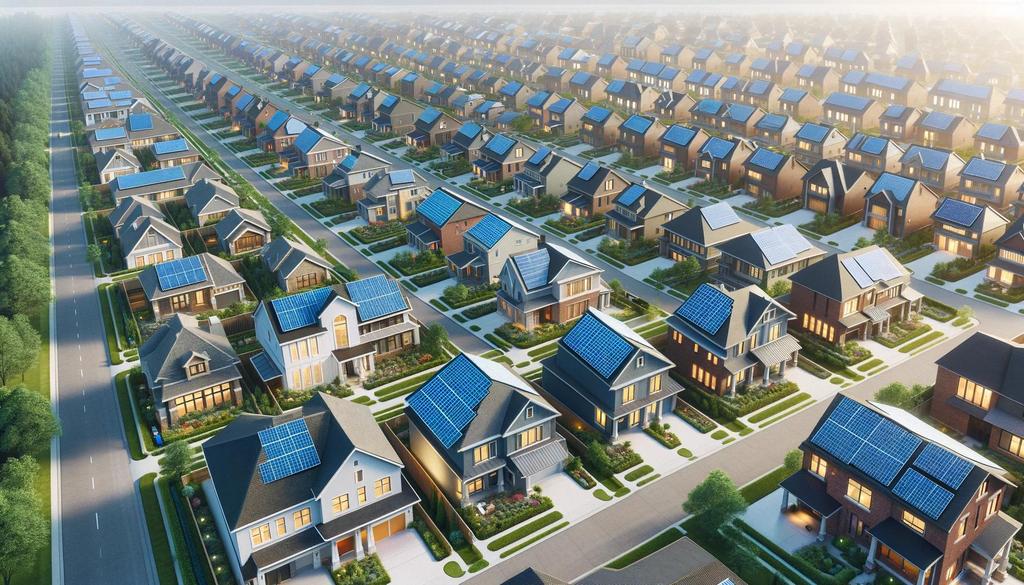
Investing in smart roofing is more than just upgrading a home; it’s about committing to sustainable living and future-proofing against rising energy costs. With the dual benefits of economic gain and environmental impact, smart roofing is a practical choice for modern homeowners looking to invest in their homes’ future and the planet’s well-being.
By considering smart roofing, homeowners enhance their living environment and contribute to a more significant movement toward energy independence and environmental responsibility. The intersection of technology, economy, and sustainability makes smart roofing an essential consideration for anyone looking to build or renovate a home in today’s eco-conscious world.


