
Are you looking for ways to reduce your environmental impact and live a more sustainable lifestyle? With climate change and the state of our planet becoming more pressing issues, it’s crucial that we all do our part to make a positive change. Fortunately, there are many simple and effective eco-friendly tips that you can incorporate into your daily life. In this article, we’ll explore eight practical ways to improve your living and reduce your carbon footprint. Whether you’re just starting your eco-journey or looking for new ways to green up your lifestyle, these eco-friendly tips will surely help. So let’s get to the list.
Understand the Wildlife
Understanding the wildlife around us is essential to living an eco-friendly lifestyle. By learning about the animals and plants in our local environment, we can better appreciate their role in the ecosystem and make informed choices that help to protect them. For instance, you can go through lion facts to educate yourself about the species and how best to protect them, or you can research possible birdhouses to provide suitable habitats for local birds. You can also take steps to avoid disturbing or harming wildlife, supporting conservation efforts, and choosing products that are sustainably sourced and do not harm natural habitats.
Understanding our area’s wildlife also helps us identify and appreciate the natural beauty around us, encouraging us to take action to protect it for future generations. It can also be a fun and rewarding activity for families and friends, allowing us to get outside, explore nature, and learn more about the fantastic creatures around us.
Reduce, Reuse, and Recycle
The three R’s – reduce, reuse, and recycle – are fundamental principles of eco-friendly living. We can significantly reduce our environmental impact by reducing our consumption, reusing items whenever possible, and properly recycling materials. This means using fewer single-use products, such as plastic bags and water bottles, and opting for reusable alternatives instead.
It also means finding creative ways to repurpose items, such as using old clothes as rags or turning food scraps into compost. Properly recycling materials is equally important, as it reduces the amount of waste sent to landfills and conserves valuable resources. By embracing the three R’s, we can make a big difference in protecting our planet.
Simplify Your Purchasing Habits
Our purchasing habits significantly impact the environment, from the production and transportation of goods to their eventual disposal. Therefore, simplifying our purchasing habits is a key step towards eco-friendly living. This means being mindful of what we buy and opting for sustainably produced, durable products that can be easily recycled or repurposed.
It also means avoiding unnecessary purchases and reducing our overall consumption. By choosing products that align with our values and are environmentally responsible, we can reduce our impact on the planet and support companies that prioritize sustainability.
Eat Less Meat
Reducing our meat consumption is another essential to a more sustainable lifestyle. The meat industry is a significant contributor to greenhouse gas emissions and deforestation, and the production of meat requires large amounts of land, water, and other resources.
By reducing our meat consumption, we can help to reduce our environmental impact and improve our health. This doesn’t necessarily mean becoming a vegetarian or vegan, but rather making an effort to incorporate more plant-based meals into our diets. This can be as simple as trying a meatless Monday or swapping out meat for alternative protein sources, such as legumes or tofu.
Your Energy Usage
Reducing our energy usage is a massive aspect of eco-friendly living. This means being mindful of how we use electricity, heating, and cooling in our homes. Simple steps such as turning off lights and electronics when not in use, using energy-efficient light bulbs and appliances, and adjusting the thermostat can all make a big difference.
It’s also important to consider our energy source and opt for renewable sources such as solar or wind power where possible. Reducing our energy usage can save money on utility bills, reduce our carbon footprint, and help combat climate change.
Compost
Composting is a simple and effective way to reduce waste and support a healthy environment. By composting food scraps and other organic materials, we can divert waste from landfills and create nutrient-rich soil that can be used to grow plants and vegetables. Composting can be done in a backyard bin or through a community composting program.
It’s important to follow proper composting practices, such as balancing greens and browns, keeping the compost moist, and avoiding certain materials, such as meat and dairy products. By composting, we can reduce our waste, support a healthy ecosystem, and promote sustainable agriculture.

Give Up Your Plastic Habit
Our plastic habit significantly contributes to environmental pollution and significantly threatens wildlife and ecosystems. Therefore, giving up our plastic addiction is crucial to a more sustainable lifestyle. This means avoiding single-use plastic products such as straws, bags, and water bottles and opting for reusable alternatives instead.
It also means being mindful of the products we buy and choosing items with minimal plastic packaging or packaging that is recyclable. Giving up our plastic habit can significantly reduce our environmental impact and help protect our planet for future generations.
Grow Trees
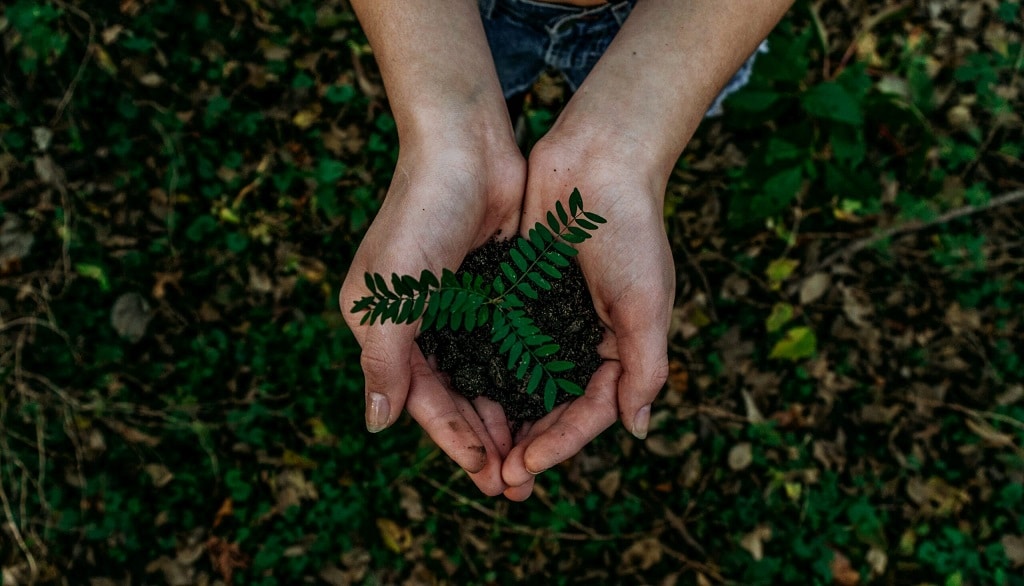
Growing trees is a simple yet powerful way to support a healthy environment and combat climate change. Trees absorb carbon dioxide and other pollutants from the air, provide oxygen, and support biodiversity. Whether you have a backyard or access to a community garden, planting trees and other vegetation is a great way to make a positive impact.
Planting trees also helps to reduce erosion, improve soil health, and create habitats for wildlife. By growing trees, we can contribute to a healthier and more sustainable planet while also enjoying the many benefits of nature, including improved mental and physical health.
Making small changes to our everyday lifestyle can greatly impact the environment. From reducing our meat consumption, using energy-efficient appliances, composting, giving up plastic, and growing trees, there are many eco-friendly tips that can help us make an effort towards living sustainably. We can help protect our planet for future generations by supporting a healthy environment. Follow these tips and start living a more eco-friendly lifestyle today.

