
As our population ages, the demand for quality caregivers is rising. More seniors than ever require assistance, whether for daily tasks, emotional support, or managing health conditions. Elderly caregiving is not just about helping people in their later years—it’s about giving them dignity, independence, and a better quality of life.
However, caregiving requires more than just a willing heart. The role is challenging, and those who take it on must possess specific qualities and skills to provide the best care possible. This article will explore the significance of elderly caregiving and the essential traits that make for a great caregiver.
Why Elderly Care Matters
Elderly caregiving is about far more than just meeting physical needs. It addresses the holistic well-being of seniors—covering emotional, social, and psychological health as well. For many older adults, the caregiver may be their primary contact with the outside world, especially if they are homebound or have limited mobility.
When done well, caregiving can improve a senior’s quality of life, allowing them to maintain independence while ensuring their health and safety. Compassionate care helps reduce feelings of loneliness, lowers stress, and can even positively affect physical health outcomes. Seniors are more likely to eat nutritious meals, engage in daily activities, and stay mentally stimulated when they have consistent support from a caregiver.
By creating a nurturing environment, caregivers give seniors the opportunity to thrive, even in the face of age-related challenges.

Essential Qualities of a Great Caregiver
Not everyone is cut out for caregiving, and that’s okay. Caregiving requires certain qualities that ensure both the senior and the caregiver can maintain a healthy, respectful relationship. Here are the key traits every successful caregiver should have:
1. Empathy
Empathy is the ability to understand and share the feelings of another. For caregivers, it’s crucial to put themselves in the shoes of the elderly individual. Seniors may feel frustrated with their limitations, and understanding that emotional journey is key to providing supportive care. Empathy allows caregivers to respond with patience and compassion, which builds trust.
2. Patience
Caring for an older adult is rarely a fast-paced job. Physical tasks may take longer, conversations may slow, and instructions may need repeating. A great caregiver knows that patience is essential to providing quality care without causing frustration for the senior or themselves. Patience helps maintain a calm and stress-free environment.
3. Good Communication Skills
Effective communication is a cornerstone of caregiving. This applies both to how the caregiver communicates with the elderly person and with their family members or healthcare professionals. Being able to clearly explain tasks, listen actively, and discuss any concerns ensures that the senior’s needs are always met.
4. Reliability
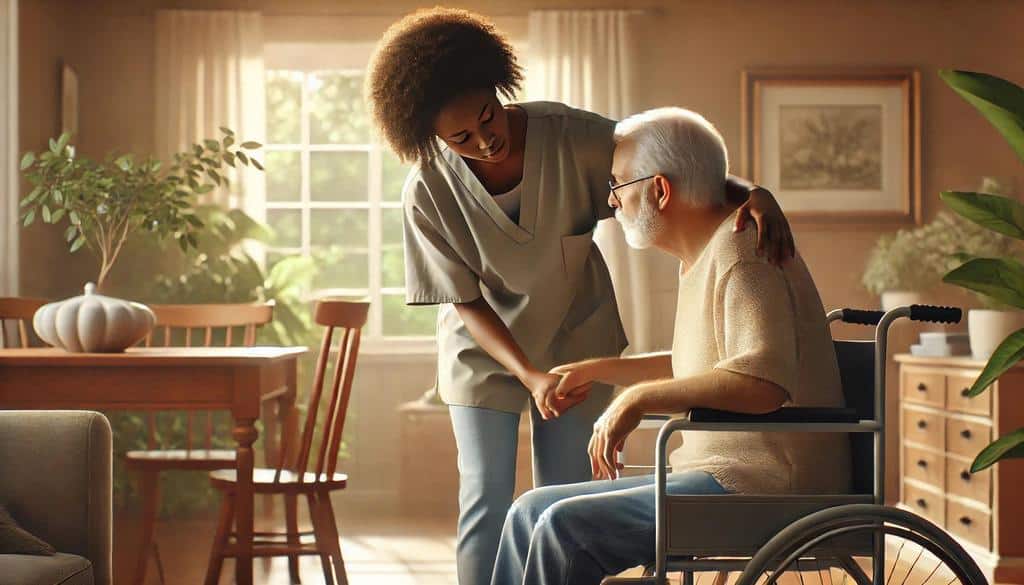
Seniors depend on their caregivers for consistency. If a caregiver is unreliable, it can disrupt routines and cause stress. Reliability is about showing up on time, fulfilling promises, and being there when the senior needs them the most.
Luckily, Idaho residents can explore options for independent living in Boise, Idaho, that provide dependable support and a safe environment. Many seniors find that moving to an independent living community allows them to enjoy freedom while still having access to necessary care.
5. Physical and Emotional Strength
Caregiving can be physically demanding, especially when assisting with mobility, personal care, or household tasks. Equally important is the emotional strength to handle difficult situations. Caregivers may witness a decline in a senior’s health, which can be emotionally taxing. It takes resilience to remain positive and provide comfort during challenging times.
6. Adaptability
Every day as a caregiver is different. A senior’s needs may change over time, and unexpected situations can arise. Being adaptable helps caregivers navigate these changes smoothly, adjusting their approach as needed to keep the senior safe and comfortable.
7. Certification and Training
While having the right personal qualities is important, so is obtaining the proper training and certifications. A certified caregiver will not only have the practical skills required—such as first aid, CPR, and knowledge of basic medical care—but will also be trained in best practices for supporting elderly individuals. The elderly caregiver certification often improves employment opportunities and ensures that the caregiver is prepared for a wide variety of situations.
Having a formal certification demonstrates commitment and professionalism, giving families confidence in the care provided.

Building Trust and Rapport with Seniors
A successful caregiving relationship is built on trust. For seniors, trusting someone with their well-being is no small matter. Establishing rapport requires consistent, open communication and a genuine interest in the senior’s life.
Caregivers can build trust by being dependable, treating seniors with respect, and maintaining their dignity, especially during intimate or personal care tasks. The more a caregiver shows they value the person they’re caring for, the stronger the relationship will become.
It’s also important for caregivers to acknowledge the senior’s past, listen to their stories, and engage in activities that are meaningful to them. These moments of connection can make a significant difference in the quality of care.
Caregiving as a Career
Caregiving isn’t just a job—it’s a vocation. While some people become caregivers out of necessity, others find it a deeply rewarding career. There are various paths into caregiving, whether through formal training programs, working for caregiving agencies, or providing care independently.
If you’re considering caregiving as a profession, it’s important to focus on ongoing education and skill development. Many caregivers begin by earning certifications in areas such as elder care, dementia care, or home health aide services. These credentials not only expand knowledge but also provide opportunities for higher-paying and more specialized caregiving roles.
For those committed to helping others, caregiving offers an incredibly fulfilling career where the impact on someone’s life is both immediate and long-lasting.
Caring for Our Elders: Qualities of a Compassionate Caregiver
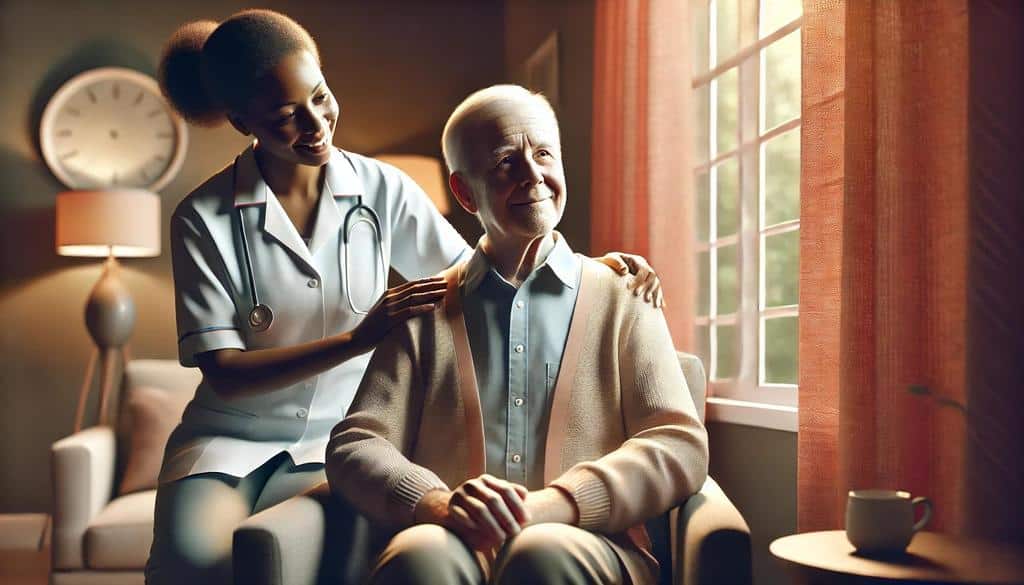
Elderly caregiving is a critical aspect of today’s healthcare and social support systems. It ensures that older adults can age with dignity and receive the assistance they need in a respectful and compassionate way. However, not everyone has the qualities necessary to be a successful caregiver.
Empathy, patience, reliability, and communication are key, along with proper training and certification. For those dealing with end-of-life scenarios, providing specialized hospice care can ensure comfort and dignity during a difficult time.
For those who embrace the challenge, caregiving offers a chance to make a real difference in the lives of seniors and their families—an experience that is as rewarding as it is meaningful.


