
Every few years, someone declares that email is dead, and every time, it just keeps proving them wrong. Despite endless social platforms and shiny new tools, the inbox remains one of the few digital spaces people still choose to visit on purpose. It’s private, predictable, and direct. This simplicity has turned email into the one corner of the internet that still feels like a conversation instead of a broadcast.
Email is especially powerful for brands that need real, measurable connections in a fast, cluttered landscape. While social media competes for attention in chaotic feeds, email quietly keeps doing what it always has: delivering messages that get read.

A Space for Depth and Long-Form Value
Scrolling culture has shortened attention spans, but not everyone wants information in bite-sized blurbs. Email gives space for depth, as it’s a medium where you can share ideas, updates, or expertise without trimming everything down to a headline. Readers who open an email have already chosen to listen, which makes every word more meaningful.
This breathing room allows creators and businesses to give more than a quick sales pitch. They can:
- Share compelling stories
- Explain complex solutions
- Provide real, actionable guidance
Building Trust Through Direct Connection
An inbox is a personal space. When a message arrives, it commands the reader’s full attention. This directness creates trust. It’s communication that feels chosen rather than pushed. A well-written message can feel like a conversation, even when sent to thousands.
Today, email marketing for lead generation remains a viable strategy. Leveraging the expertise of Website Visitor Intelligence takes it even further, helping businesses understand who’s engaging, what content draws interest, and when to follow up.
Personal Over Public
The inbox is private. It’s one of the last digital places where attention feels personal. The private nature of the inbox matters because it changes how messages are received. They feel directed to someone, not just sent at them.
A one-on-one connection creates genuine engagement. People reply, ask questions, and give feedback. It’s closer to a conversation than most “interactive” features elsewhere online.

Measuring Real Engagement
Social media platforms thrive on ambiguous metrics—likes, impressions, and reach—but none of that proves genuine interest. Email, on the other hand, gives clarity. Its metrics reflect real choices made by real people:
- Open Rates: Who chose to view the message.
- Click-Through Data: Who engaged with the content.
- Replies: Who was motivated to start a conversation.
There’s no guessing whether someone saw your message; you can see exactly how they interacted with it.
Email’s transparency helps refine content naturally. Instead of guessing what works, marketers can see patterns, adjust tone, and improve with each campaign.
Storytelling That Sticks
Stories need space to unfold, and email offers that without distraction. Through regular updates or newsletters, brands can build a voice that readers grow familiar with over time. The inbox becomes a mini magazine, a trusted source that arrives reliably and feels personal every time.
Because email allows structure, each message builds on the last, telling a story in chapters that stay with the reader. And unlike a disappearing post or fleeting story, emails can be revisited anytime.
The Power of Two-Way Conversation
The beauty of email lies in its simplicity, as it invites a reply. It’s not a one-way announcement or a comment lost in a thread. Readers can hit “reply” and actually talk back. Such a small act turns marketing into conversation. It’s also one of the few digital channels where customers still feel comfortable asking questions or sharing thoughts directly with a brand.
Such accessibility makes email surprisingly human, as it builds small, ongoing exchanges instead of scattered reactions.

Staying Human with Automation
Automation is often misunderstood, but in email, it simply means well-executed consistency. Automated sequences make sure communication stays regular without feeling robotic, such as:
- Welcome notes for new subscribers
- Helpful reminders for upcoming events
- Timely follow-ups on recent interactions
When written with a warm tone and genuine attention to detail, automated emails actually help people feel seen.
It’s the perfect combination of efficiency and personality. Writing with a human voice, not a systemic one, makes the connection. Automation handles timing; the human voice handles connection.
The Value of Permanent Archives
While social posts disappear into endless scrolls, emails remain permanently archived. Every campaign, newsletter, and update builds a history, which is a digital paper trail that shows growth and progress. An ongoing email archive becomes a reliable reference point for both the sender and the reader.
For businesses, it’s a record of what’s been shared and how audiences have evolved. For subscribers, it’s an easy way to revisit something useful. In an age of fleeting content, that kind of permanence is rare and refreshing.
The Central Hub: Seamless Integration
Email doesn’t compete with other marketing tools; it connects them. Email’s integration gives structure to all other marketing efforts, keeping communication consistent across platforms.
Because of this flexibility, email continues to be the anchor in digital marketing strategies. It bridges short-term buzz with long-term relationships so that messages don’t get lost between touchpoints.
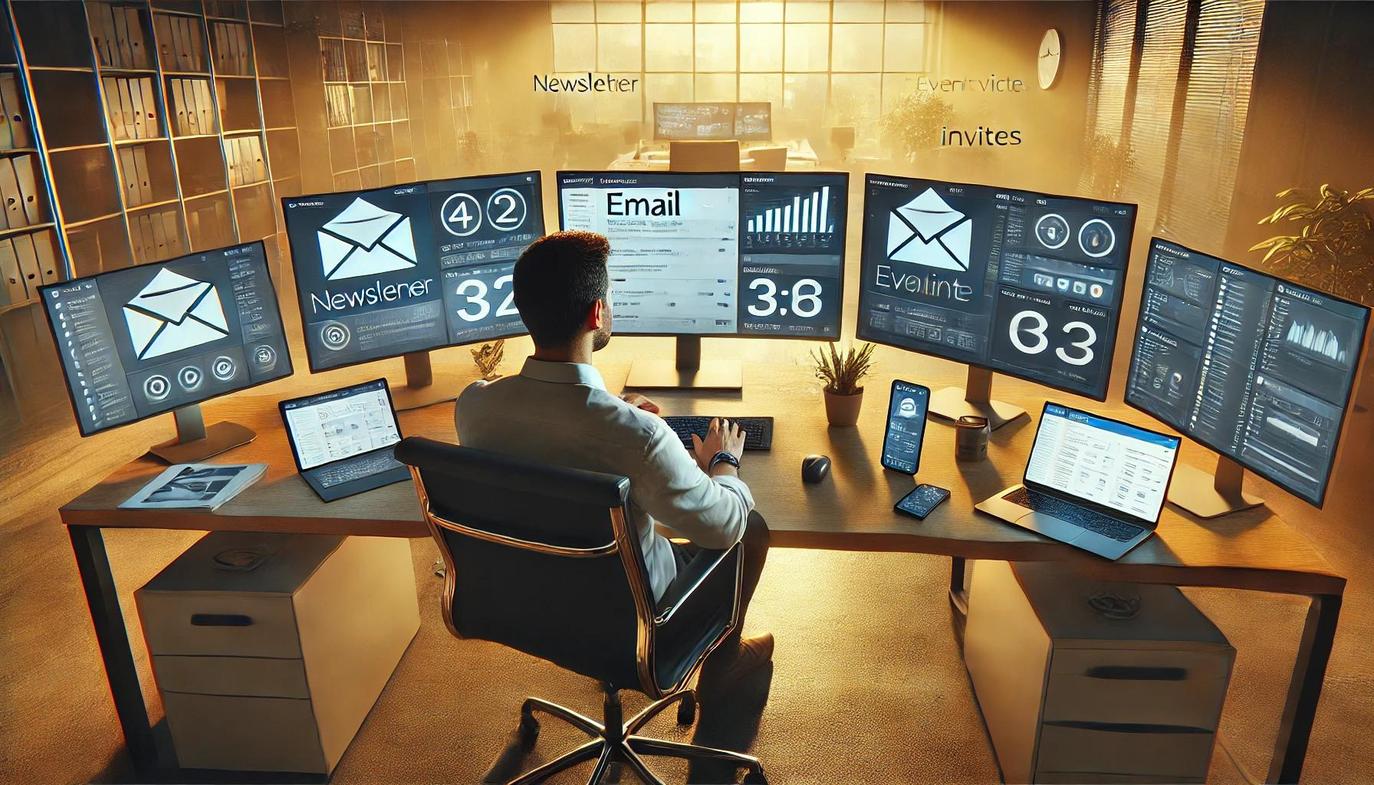
Credibility Through Design
How an email looks says as much as what it says. Several elements build credibility over time:
- Clean, uncluttered layouts
- Thoughtful, readable typography
- A steady, professional tone
Marketers need to show care through detail—a subtle polish that reflects effortless professionalism.
Readers can tell when something’s been made with attention. A consistent design language and conversational voice make emails feel trustworthy, approachable, and distinctly human. In a digital world often focused on style, that quiet reliability stands out.
Accessibility Across Generations
Email remains one of the few platforms that everyone understands, from college students to retirees. It doesn’t require new apps, logins, or algorithmic expertise. A universal comfort with the platform makes it a bridge between generations, offering a place where communication feels familiar to all.
For brands, this accessibility means they can reach wide audiences without changing formats every few months. It’s simple, timeless, and works the same way it always has: open, read, respond.
The Ultimate Tool: Adaptable for Any Purpose
Email fits almost any goal. It can be used to:
- Educate an audience
- Sell a product
- Inform subscribers of news
- Nurture long-term relationships
This can all be done without switching platforms or starting over. Whether it’s a product launch, an event invite, or a weekly newsletter, the same channel supports it all.
Such adaptability keeps email relevant even as marketing trends shift. It’s the rare digital tool that doesn’t need to reinvent itself every year, as it keeps working, quietly and effectively.

The Enduring Power of the Inbox
Email marketing has lasted because it never tried to compete with the noise; it chose to stay useful instead. Its endurance comes from its simplicity, privacy, and directness, providing a reliable channel for personal communication in a way chaotic social feeds cannot.
As digital spaces become more cluttered, the value of this direct connection only increases. For brands, creators, and individuals, the inbox remains the most powerful and professional tool for building genuine trust, measuring real engagement, and having meaningful conversations.
Your Questions on Email’s Effectiveness Answered
Why Is Email Better Than Social Media for Engagement?
Email provides a direct, private connection to an audience. Unlike a public social feed, a message in an inbox commands a reader’s full attention. This allows for deeper storytelling and engagement, which is measured by direct actions like opens, clicks, and replies—metrics that are far more valuable than public “likes.”
Isn’t Email Automation Just Impersonal Spam?
While poorly executed automation can feel like spam, effective automation is about providing personalization and consistency at scale. When written with a human voice, automated sequences for welcomes, reminders, or follow-ups provide timely, relevant value and make recipients feel seen, not spammed.
Is Email Still Relevant for Younger Generations?
Yes. Email remains a universal digital standard required for nearly all online accounts, professional communication, and education. While social platforms change, email is the foundational, accessible tool that all generations continue to use, making it a uniquely stable and reliable channel.


