
Ever walked outside after a storm and realized the real damage starts once the rain stops? A few loose shingles, a crooked downspout, a ceiling stain—small things that suddenly matter. What seemed minor yesterday becomes expensive today. As extreme weather grows more common, from surprise hailstorms to record rainfalls, homeowners are learning that the real defense happens before the storm, not during it.
This guide details the most common post-storm regrets, explains their causes, and offers strategies for preventing them through smart preparation and durable upgrades.
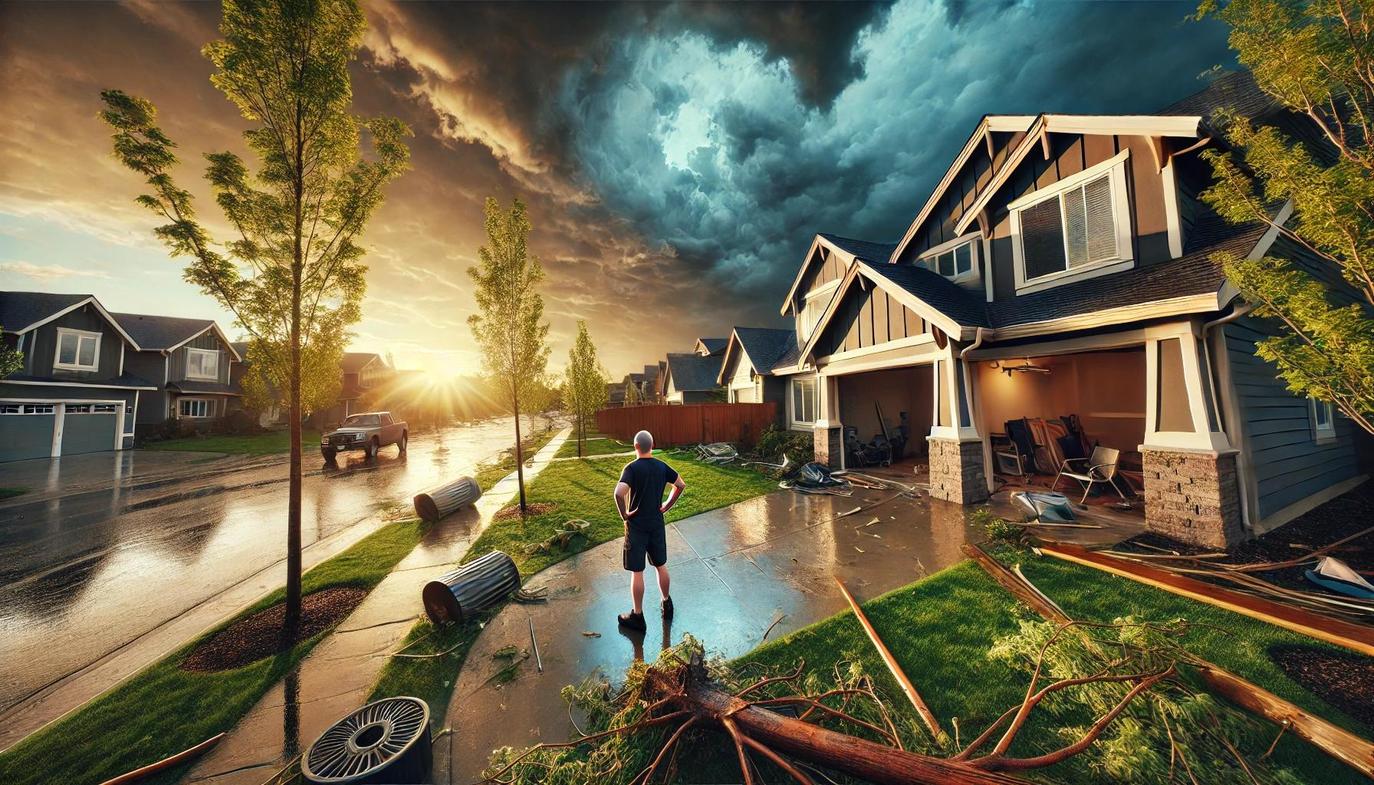
Overlooked Details: How Small Issues Lead to Big Problems
It is almost never the dramatic, obvious damage that causes the most significant long-term regrets. Most homeowners anticipate some impact on their roof during a major storm.
But it’s the overlooked details—the corners, the connections, the drains—that lead to the worst aftermath.
Water infiltration is often insidious; it does not require a wide opening to cause damage. Just one gap in your gutter system or a section of clogged downspout can redirect rainwater right into your foundation. One missed seal around a vent can allow moisture to creep into your attic.
And the damage doesn’t stop when the storm does. It lingers. It spreads.
Take gutters, for example. Plenty of homeowners rely on older aluminum systems that dent, clog, or break apart under stress. This may function adequately on a clear day, but not during intense rainfall when several inches of rain can fall within an hour. Gutters made from stronger materials, like galvalume gutters, are far less likely to twist or tear loose under heavy flow. That’s not just a durability win. It’s a flood-prevention move.
The other common misstep? Assuming the problem will show itself right away. But moisture is patient. It seeps into subfloors. It collects behind walls. By the time the damage is visible, it’s already expensive.
The Escalating Costs of Post-Storm Recovery
After a major storm, the costs stack up quickly. And not just for repairs. Hotel stays. Temporary relocation. Emergency cleanup.
Even when home insurance provides assistance, homeowners are still responsible for covering deductibles, lost time, and significant stress.
In 2023, the U.S. faced 28 major weather- and climate-related disasters—breaking the 2020 record of 22—with total damages exceeding $92.9 billion. This frequency is no longer rare; it is becoming routine. And most of those costs hit average homeowners—homeowners who believed they were prepared until the event proved otherwise.
A significant contributing factor is that most existing homes were not designed for the current level of weather unpredictability. Building codes are catching up, but slowly. Meanwhile, older homes in storm-prone regions remain especially vulnerable. And new homeowners often underestimate how fragile a “solid house” can be during a freak weather event.
A cracked window frame or a small section of missing flashing might seem like minor issues initially. But multiply that by 60 mph winds and driving rain, and you’ve got a costly infiltration point. The regret comes when it could’ve been fixed for $40 and a Saturday afternoon—but now it’s a $4,000 insurance claim and a month of drying out walls.
Common Regrets and Missed Opportunities for Prevention
Talk to anyone who’s dealt with post-storm repairs, and common themes emerge. Homeowners frequently wish they had:
- Cleaned the gutters regularly.
- Replaced brittle or aging siding.
- Trimmed tree limbs overhanging the house.
However, the most common regret centers on inadequate planning, specifically failing to act before storm warnings and hoping the event would bypass their area.
The problem is that severe weather often arrives fast and with little time to prep. That’s why preventative action matters. You can’t tarp a roof mid-downpour. You can’t install a sump pump after the basement starts filling.
People also wish they had taken time to walk their property more often. A simple walkaround every season can reveal so much. Soft spots in the fascia. Warped decking. Loose vents. Areas where water pools instead of draining.
None of these cost much to fix when caught early. But they all become expensive after the fact.

Smart Upgrades for Long-Term Storm Resilience
You don’t need a total renovation to storm-proof your home. But you do need to make smart, targeted improvements that hold up when the wind picks up.
Focus on Key Vulnerabilities
Focus your improvements on areas most exposed to the primary threats:
- Water infiltration
- High winds
- Impact from debris
Start with drainage. A high-functioning gutter system is one of your home’s best defenses. It keeps water away from the roof, siding, and foundation.
Roof inspections are another smart move. You don’t need to wait for leaks. Hire a professional to conduct regular roof inspections, specifically checking for common weak points such as:
- Missing or damaged shingles
- Cracked or failing seals around vents and chimneys
- Deteriorated or improperly installed flashing
These small repairs cost little now but save thousands later.
Don’t forget trees. Trim branches that hang over the house. Clear dead wood.
Trees don’t have to fall completely to cause serious damage. A single heavy limb can crack a roof, smash a window, or rip down power lines.
And make a habit of checking your basement or crawl space. Standing water, mildew smells, or damp corners usually mean there’s a grading or drainage issue.
Fixing the slope, installing a French drain, or sealing the basement walls can turn a water trap into a dry, safe space.
Shifting Focus from Curb Appeal to Home Resilience
Storms aren’t just weather anymore. They’re events. They disrupt, damage, and demand preparation. And while we can’t stop the sky from turning violent, we can control how exposed we are when it does.
The focus in homeownership is shifting beyond curb appeal and resale value toward resilience. More homeowners are asking, “Can this home bounce back?” And that starts with the details.
This involves upgrading for longevity rather than just aesthetics, ensuring the roof is structurally sound beyond its appearance, and investing in materials designed to withstand severe weather conditions.

Proactive Maintenance: Your Best Defense Against Regret
The most common homeowner regrets after a storm stem not from the weather itself, but from the missed opportunities for preventative action. Overlooked details like clogged gutters, aging seals, or uninspected roofs often lead to the most significant and costly water damage. Investing in regular home maintenance and smart, durable upgrades transforms a home from a potential victim of circumstance into a resilient structure prepared for severe weather.
Adopting a mindset focused on resilience rather than just repair is the key to avoiding future storm damage regrets. Simple, proactive steps—seasonal property walkarounds, professional roof inspections, and timely upgrades to critical systems like gutters—are far less costly than emergency repairs and insurance claims. This foresight provides not only financial savings but also invaluable peace of mind when the next storm arrives.
Frequently Asked Questions About Preventing Storm Damage
What is the single most overlooked maintenance task that leads to storm damage?
Clogged gutters are frequently cited as a major culprit. When gutters overflow, rainwater can back up under roof shingles or pour directly against the foundation, leading to significant water damage in attics, basements, and walls that could have been easily prevented with regular cleaning.
How often should I have my roof professionally inspected?
Most experts recommend a professional roof inspection every 1-2 years and always after a major storm involving high winds or hail. An inspector can spot subtle signs of damage, like missing granules or cracked flashing, that are invisible from the ground but can lead to major leaks later.
Are expensive upgrades always necessary to prevent storm damage?
Not always. While durable upgrades like impact-resistant shingles or stronger gutter materials (e.g., galvalume) offer superior protection, consistent basic maintenance provides significant defense. Regularly cleaning gutters, trimming trees, and sealing gaps around windows and vents are low-cost actions with high impact.
My house is relatively new. Do I still need to worry about storm preparedness?
Yes. Even newer homes can have vulnerabilities. Construction quality varies, and seemingly minor installation errors (like improperly sealed vents or flashing) can become major leak points during severe weather. Regular inspections and maintenance are important regardless of a home’s age.


