
The National Grid, UK’s electricity network operator, published a detailed report presenting four “future energy scenarios.” Three of them indicate the nation could achieve net-zero by 2050 or earlier – but all of them involve a nationwide electric vehicle uptake, yearly installation of major renewable projects, and government action to reduce the burden of home heating. Emissions from its electricity system could even turn negative as early as 2033 if carbon capture technology is also involved. However, “immediate action” to promote this cleaner, more efficient power is crucial.
The National Grid ESO’s Head of Strategy, Mark Herring, said:
This year’s Future Energy Scenarios paint an exciting picture of net-zero Britain with electricity playing a crucial role in meeting meet the 2050 emissions targets. Although these are not firm predictions, we’ve talked to over 600 industry experts to build this insight and it’s clear while net-zero is achievable, there are significant changes ahead.
The company’s vision for an “emissions negative” grid involves up to 8 million gas boilers in energy-efficient homes being converted to heat pumps fitted with thermal “heat batteries” by 2050, as well as 11 million EVs (electric vehicles) by 2030, and 30 million by 2050. The EVs will act as smart-charging ‘batteries” to help balance the grid. There will have to be a revolution in consumer energy use for this to work out. If the millions of households comply, they will consume an estimated one third less the energy used today.
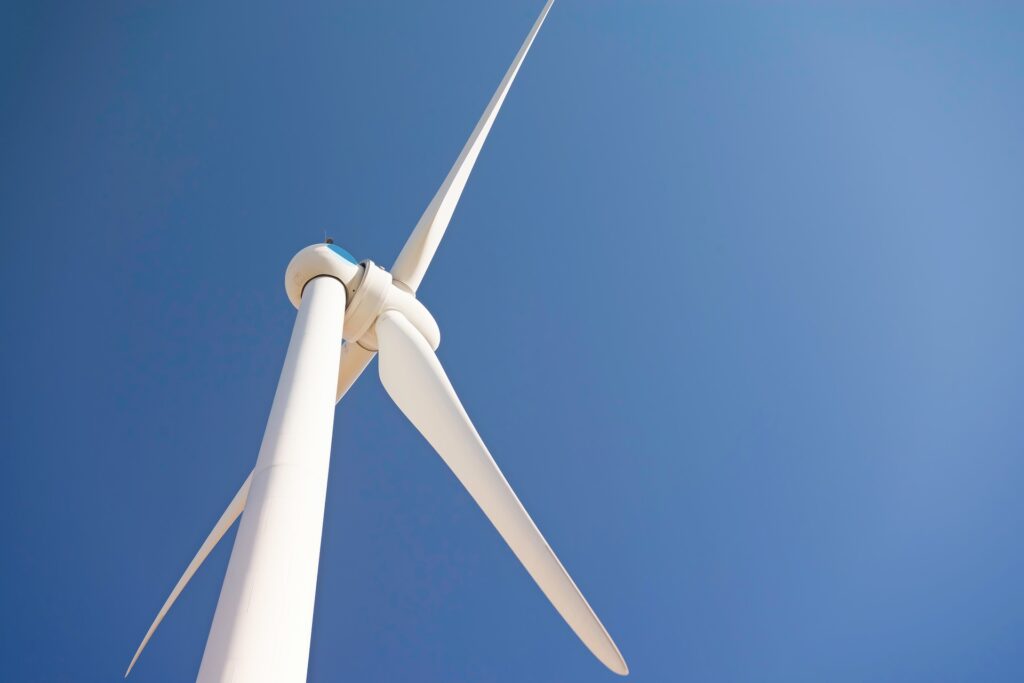
Alongside the transition to better heating systems and the widespread rollout of EVs, a boom of new renewable power projects – amounting to at least 1.4GW of solar generation and 3GW of wind power capacity – will have to go online from now until 2050.
Herring said:
Across all scenarios, we see a growth in renewable energy generation, including significant expansion in installed offshore wind capacity. There is a widespread uptake in domestic electric vehicles, and growth and investment in hydrogen and carbon capture technologies too.
Our new analysis of the level of societal change needed to achieve net-zero also shows that consumers need a greater understanding of how their energy use impacts the wider system, and how changes to their lifestyle have an impact on net-zero ambitions.
The National Grid’s vision relies on “urgent policy decisions.” A significant amount of government action will be necessary to “drive change across the whole energy system” and ensure decarbonization.
Mr. Herring said:
There is already significant progress being made towards net zero, including ESO planning to operate a zero-carbon electricity system by 2025, but the fundamental changes outlined to make it more important than ever to have a coordinated approach to decarbonizing the whole energy sector.
While Covid-19 came too late to be factored into this year’s analysis many of the areas highlighted will be crucial in a green recovery from the pandemic, particularly improving energy efficiency across all sectors and significant investment in low carbon electricity generation.
Many are hopeful that government stimulus packages for energy efficiency measures and clean electricity will incite a green economic recovery.


