
The environment secretary Michael Gove has confirmed the ban on the supply of plastic straws, stirrers, and cotton buds in England as of April next year. An open consultation prior had revealed “overwhelming” public support for the move and so the ban was enacted.
Campaigners welcomed this move wholeheartedly but warned it will “only scratch the surface” in tackling the damage that non-degradable waste is doing to the environment. Sam Chetan-Welsh, political campaigner for Greenpeace UK, said:
It’s been a long time coming, but we welcome the news that DEFRA are finally enforcing a ban on throwaway plastics like straws, cotton buds and stirrers. The reality is though that these bans only scratch the surface. To really tackle the plastic crisis we need bigger bolder action from this government – including targets to radically reduce the production of single-use plastics and an all-inclusive deposit return scheme for drinks containers.

At the open consultation, 80% of respondents backed a ban on the distribution and sale of plastic straws, 90% backed a ban on drinks stirrers, and 89 percent supported a ban on cotton buds.
According to the country’s government figures, it is estimated the people use 8.5 billion plastic straws, 316 million plastic stirrers, and 1.8 billion plastic-stemmed cotton buds a year in England. Of the almost 2 billion cotton buds being used, around 10% of them are flushed down toilets and can end up in waterways and oceans. There is no need for plastic straws or plastic-stemmed cotton buds when paper straws and cotton buds with paper stems are already widely available.
Gove said:
Urgent and decisive action is needed to tackle plastic pollution and protect our environment. These items are often used for just a few minutes but take hundreds of years to break down, ending up in our seas and oceans and harming precious marine life. So today I am taking action to turn the tide on plastic pollution, and ensure we leave our environment in a better state for future generations.

Emma Priestland, campaigner at Friends of the Earth, thinks this ban is not good enough. She said:
These three items are just a fraction of the single-use nasties that are used for a tiny amount of time before polluting the environment for centuries to come. Ultimately, we need producers to take responsibility for the plastic pollution caused by all their products, whether it’s bags, balloons, packets, containers or otherwise. That’s why we’re campaigning for legislation to cut back on pointless plastic across the board.
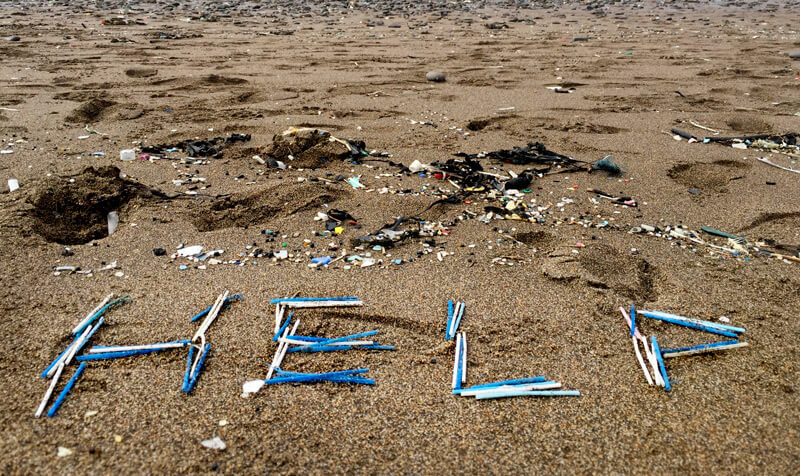
By 2025, it is estimated that the quantity of plastic in the sea will triple. At the moment, over 150 million tons of plastic waste polluting the world’s oceans, and every year around a million birds and over 100,000 sea mammals die from eating and getting tangled in plastic waste.
Laura Foster, from the Marine Conservation Society, said:
We are delighted with this government decision which will help consumers move to a more plastic-free lifestyle. Surveys last year during our Great British Beach Clean showed, for instance, that cotton buds were in the Top 10 items found by volunteers – with an average 17 found per every 100 meters of beach in England. It’s right that plastic cotton buds should be banned.
While we strongly welcome today’s announcement, we now need Michael Gove to go further in moving to reduce plastic consumption overall and increase recycling rates, particularly with a fully inclusive deposit return scheme for bottles and glass. It’s clear that the public mood has changed and what we need to see now is further action by retailers and the government to encourage a move against all single use plastic and to improve recycling.
The ban will, however, include exemptions to ensure that those with medical needs or a disability are able to continue to access plastic straws. Registered pharmacies will be permitted to sell plastic straws, over the counter or online. Restaurants, pubs, and other catering establishments will not be permitted to display plastic straws or provide them automatically. They will only have them available upon request (strictly) for disabled persons only.
Lauren West, from Muscular Dystrophy UK, said:
Plastic straws are sometimes the only type of straw that work for disabled people due to their flexibility and ability to be used in hot and cold drinks. We’re pleased the government has recognized this in its proposals put forward today.


