
Climbing a mountain is one of the most rewarding physical and mental challenges a person can undertake. With every upward step, climbers encounter tests of strength, endurance, and resolve. But for all its challenges, mountain climbing doesn’t need to be a harsh or joyless experience.
When approached with thoughtful preparation, it can become a deeply enjoyable journey, filled with moments of reflection, camaraderie, and triumph. The difference between a grueling ascent and a fulfilling one often lies not in the mountain itself, but in how well a climber is prepared to meet it.

Expert Guides and Private Trips: Climbing with Confidence
The presence of experienced guides and the choice of private treks transform the climbing experience from daunting to deeply personal. Guides bring a wealth of knowledge, from the physical demands of the climb to the subtle signs of altitude sickness, helping climbers manage their energy and acclimatization effectively.
Private trips offer another dimension of comfort and customization. Without the unpredictability of a large group, climbers have the flexibility to pace themselves, rest when needed, and engage more intimately with the environment.
During a Kilimanjaro Expedition, a privately guided journey allows climbers to follow a tailored itinerary. This approach also provides invaluable insights from seasoned guides who have summited the mountain countless times. This kind of support doesn’t just improve safety; it lifts the emotional weight of uncertainty, allowing climbers to immerse themselves in the moment and truly enjoy the trek.
Physical Training: Building the Strength for the Ascent
One of the most effective ways to enjoy mountain climbing is to arrive physically prepared. Building strength and stamina requires slow, consistent effort. A well-rounded training plan contributes to the resilience a climber needs on the mountain and should include:
- Regular Hikes: To build leg strength and endurance.
- Aerobic Workouts: To improve cardiovascular fitness.
- Strength Training: To develop core and upper body strength.
Endurance is particularly valuable, not only for climbing but for managing fatigue over multiple days. Equally important is training on uneven terrain. Simulating the conditions of the climb by hiking with a loaded backpack on trails with elevation gain helps prepare the legs and lungs for what lies ahead. This physical groundwork makes each step feel less like a struggle and more like a steady rhythm. It allows the climber to enjoy the views and the movement instead of focusing on exhaustion.

Mental Fortitude: Preparing Your Mind for the Climb
The mental challenge of a climb can be just as demanding as the physical one. Thin air, shifting weather, and long hours of walking test not just the body but also the mind. Those who prepare mentally—by building patience, setting realistic expectations, and learning to embrace discomfort—often find greater satisfaction in the experience. Visualization techniques, mindfulness practices, and learning to stay present all contribute to a more enjoyable climb.
The right mental preparation doesn’t erase the difficulties of a mountain; instead, it shifts how a climber perceives and responds to them. Rather than dreading the cold or the altitude, prepared climbers approach each challenge with calm determination. They accept the climb on its own terms, allowing small joys—like the feel of fresh snow underfoot or the quiet before sunrise—to become part of the experience.
Know Before You Go: Researching Your Route and Conditions
Climbing without knowledge of the route or expected conditions is like setting out on a journey without a map. Researching the mountain, understanding the chosen path, and knowing what kind of gear and clothing will be appropriate can significantly affect comfort and confidence.
Weather patterns, temperature swings, altitude profiles, and terrain types vary widely between mountains and even between seasons. Knowing when and where the most challenging segments will occur helps climbers conserve energy and prepare mentally.
Having the right gear—well-worn boots, breathable layers, and a reliable headlamp—can prevent small issues from becoming major problems. This kind of preparation doesn’t remove risk, but it makes unexpected challenges feel less overwhelming and adds a layer of assurance that allows you to enjoy your surroundings with a more open mind.
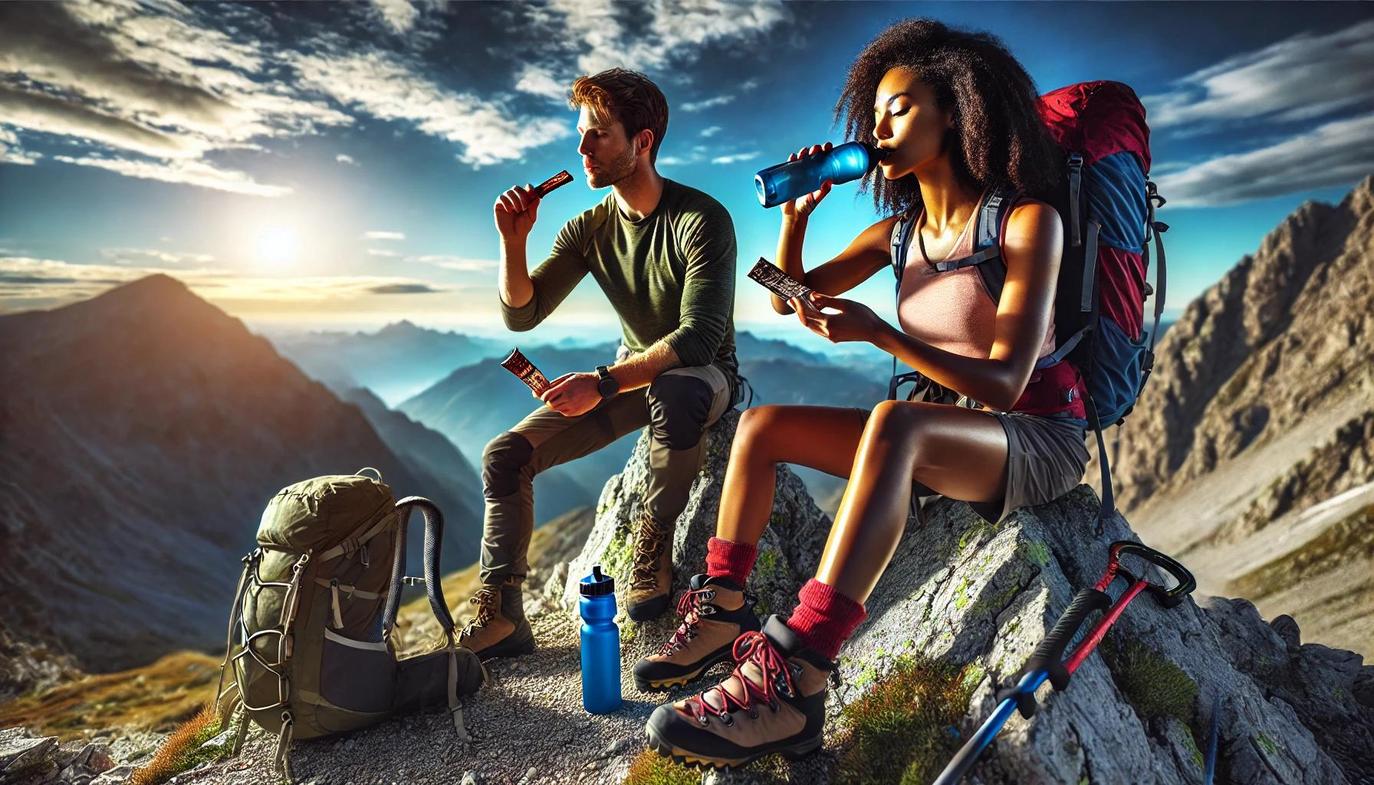
Fueling Your Climb: The Importance of Nutrition and Hydration
Fueling the body correctly is often underestimated by first-time climbers. A well-fed climber is not only stronger but also more alert and emotionally balanced. Preparation in this area means planning meals that are both nutritious and easy to digest and practicing eating during training hikes to understand what works best for your body under strain.
Hydration, particularly at altitude, is just as critical to performance and well-being. Dehydration can cause fatigue, headaches, and impaired decision-making, all of which diminish the climbing experience. Having snacks readily available, drinking water at regular intervals, and knowing how to purify water sources are all essential parts of a solid hydration strategy. This level of planning ensures energy levels remain stable and moods stay positive, making the journey actively pleasurable.
The Right Climbing Team: Finding Support and Motivation
The people on your journey can dramatically influence how enjoyable a mountain climb becomes. Whether traveling with friends, family, or other climbers, the group’s dynamic affects everything from morale to motivation. Climbing with individuals who share similar goals and attitudes creates a sense of unity, and shared moments of triumph and support can create memories that last a lifetime. When teams are chosen with care, the experience becomes not just about the summit but about the connection built along the way.
Preparation in this area involves having honest conversations beforehand about expectations, limits, and shared responsibilities. These discussions may seem minor at first, but they lay the groundwork for a journey built on trust and mutual support.

The Pillars of an Enjoyable Climb
Enjoyment in mountain climbing isn’t about removing every challenge—it’s about preparing yourself to meet those challenges with confidence and calm. The right preparation transforms fear into excitement, fatigue into rhythm, and discomfort into resilience.
By focusing on the key pillars of preparation—expert guidance, physical training, mental conditioning, route knowledge, proper nutrition, and a supportive team—you transform a potentially grueling ordeal into a profoundly rewarding adventure. This holistic approach builds the confidence and resilience needed to appreciate every moment, from the steady rhythm of the ascent to the breathtaking views from the summit.
With clear intention and thoughtful planning, what could be a test of endurance becomes a celebration of strength, self-discovery, and the quiet satisfaction of moving upward, one steady breath at a time.
Frequently Asked Questions About Climbing Preparation
How important is mental preparation compared to physical training?
Mental preparation is just as critical as physical readiness. While physical training builds the endurance to climb, mental conditioning cultivates the patience, focus, and resilience needed to handle challenges like altitude, fatigue, and shifting weather. A positive mindset often makes the difference between a successful summit and an early descent.
What is the single biggest mistake first-time climbers make?
Underestimating the importance of proper acclimatization is one of the most common mistakes. Many first-time climbers focus heavily on physical fitness but fail to allow their bodies enough time to adjust to high altitudes, leading to altitude sickness that can derail an otherwise well-prepared expedition.
Can I train for a mountain climb without access to mountains?
Absolutely. You can build climbing-specific fitness by using stair climbers, hiking on hills with a weighted pack, and incorporating high-intensity interval training (HIIT) into your workouts. The goal is to simulate the cardiovascular and muscular demands of a long ascent.
Why should I consider a guided trip for a major climb?
A guided trip, especially for a technical peak or a high-altitude trek like a Kilimanjaro expedition, provides an invaluable layer of safety and expertise. Guides manage logistics, monitor for signs of altitude sickness, and make critical decisions, allowing you to focus on the experience of the climb itself.


