
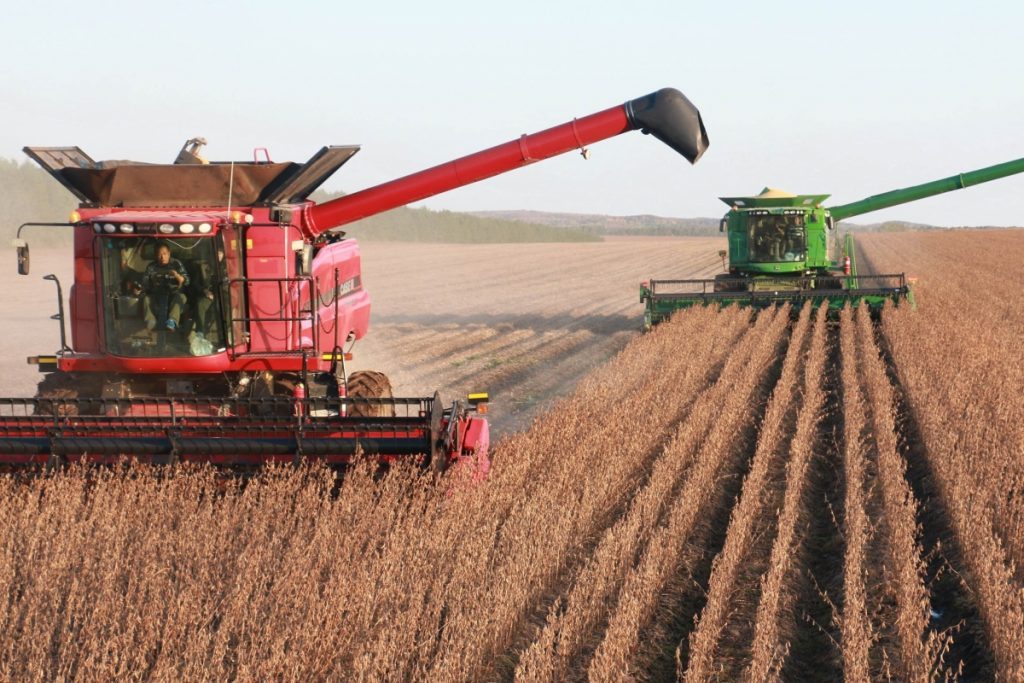
Global farm subsidies (money granted by the government to assist the industry so that the price of food can remain low) are driving climate crises and destruction of wildlife, according to a new report. What’s most disturbing is the money comes from taxpayers, meaning that the public is providing these funds – a whole lot too, more than $1 per minute!
In total, $700bn a year is given to farmers worldwide. The report analysis found that only 1% of this is used to benefit the environment. The other 99% are used to promote high-emission cattle production, forest destruction and pollution from the overuse of fertilizer.
There is a desperate need for reform to these subsidies – the security of humanity itself is at stake here! The report says a big reduction in meat-eating in rich nations and other damaging uses of land is required as well. However, this will naturally happen by redirecting the subsidies to storing carbon in soil, producing healthier food, cutting waste and growing trees instead.
The idea that subsidies are needed to supply cheap food is a misconception. The report found that the cost of the damage currently caused by agriculture is actually greater than the value of the food produced. Overall, the damaging way the world currently produces food and uses land causes $12tn a year in hidden costs to the environment, human health and development. Furthermore, producing healthy, sustainable food would actually cut food prices, as the condition of the land improves.
Jeremy Oppenheim, principal at the Food and Land Use Coalition (FOLU), the collaboration of food, farming and green research groups that produced the new report, said, “There is incredibly small direct targeting of [subsidies at] positive environment outcomes, which is insane. We have got to switch these subsidies into explicitly positive measures.”
Oppenheim explains how some subsidies are difficult to quantify precisely, so the true global total was likely to be $1tn a year. “That trillion dollars of public funding is available and is a massive, massive lever to incentivize the farming community across the world to act differently,” he says.

This isn’t the only report that reveals how the world’s food system is broken. There have been a series of recent works shining a light on the problem. Here are three:
- 130 national academies of science and medicine concluded in November 2018 that the system is driving the planet towards climate catastrophe while leaving billions of people either underfed or overweight.
- Another 2018 study created a huge dataset based on almost 40,000 farms in 119 countries and covering 40 food products that represent 90% of all that is eaten. The research found that livestock uses 83% of farmland to produce just 18% of calories; therefore, avoiding meat and dairy was the single biggest way to reduce your environmental impact on the planet.
- Yet another impactful piece of research is the “planetary health diet” which was published by scientists in January 2019. Adopting this diet requires an 80% cut in the red meat eaten by Europeans and North Americans so the world could see 60% of today’s pasture could be used for wildlife or other environmental purposes in the coming decades. That 60% is an area roughly the size of Brazil!
Meanwhile, Oppenheim’s FOLU report states that they “couldn’t find any examples of governments using their fiscal instruments to directly support the expansion of supply of healthier and more nutritious food.”
If things don’t change, the consequences will likely be catastrophic. The report states, “Continuing on current trends means sleepwalking into a scenario wherein climate change increasingly threatens human life, biodiversity and natural resources are depleted, people increasingly suffer life-threatening, diet-induced diseases, food security would be compromised, and [poverty reduction] is seriously impaired. Such a pathway would within a few decades threaten our collective security.”
Transforming the food and land use systems in the next decade is not a daunting task but a remarkable opportunity! It could reap a societal return more than 15 times the investment costs required. Not only that, but it would also make the food supply more secure.
Oppenheim said, “Stick with the model we have got and you can be reasonably confident that in the next 20 years we are going to have a number of climate-related food price spikes, because we have a highly concentrated system, with a small number of [regions] that are absolutely critical to the supply of grains.”
Caterina Ruggeri Laderchi, research director at FOLU and formerly at the World Bank, added, “We need a big system reset and I think it is the role of government is to lead on these issues. It is extremely important for the planet, but it can be good for business too…a shift to sustainable production of healthy food could unlock $4.5tn in new commercial opportunities each year by 2030.”
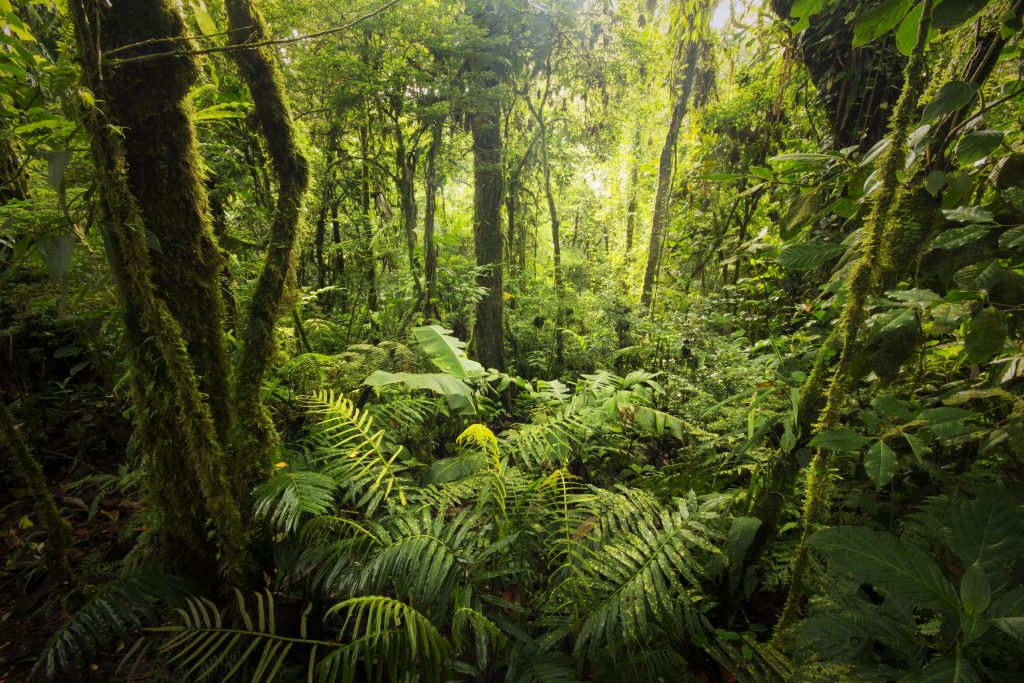
There are some examples of the benefits from reforming subsidies. For instance, farmers in the European Union have reduced greenhouse gas emissions from fertilizer by 17% while yields rose. Meanwhile, Costa Rica has seen a remarkable return of rainforest following the elimination of cattle subsidies as well as payments for improving nature. “But there is a long way to go,” the report concludes. “Perverse subsidies need to be rapidly redirected or phased out.”


