
The ancient wisdom of Native cultures can provide a valuable perspective on many current challenges in today’s society, including the “loneliness pandemic” and climate change. Although traditions differ by community, nearly all of these cultures have principles centered on respect, love for the planet, and interdependence.
These teachings from Indigenous cultures can help guide people worldwide, from the importance of sustainability to the value of healing plants and community healing frameworks.
A Healthy Earth is Necessary for Humanity’s Survival
The reverence for the earth as a living creature is common in Native spiritual beliefs. With climate change accelerating and eco-friendly practices more crucial than ever, stressing the symbiotic relationship between humans and the environment is critical in paving the way to a greener future.
According to Mindahi Bastida, General Coordinator of the Otomi-Toltec Regional Council and director of the Center for Earth Ethics in Mexico, the key to encouraging sustainable habits is for people to reimagine their relationship with the planet as a family bond like parent and child.

He highlighted:
“We need to remind everyone to live with Mother Earth, not from Mother Earth, to live in peace, harmony, and dignity. We must remember that we are the little ones; we are her children, and we must behave.”
Community is Key to Wellness
Indigenous peoples place a high value on interdependence, which means that members of a tribe or extended family frequently help one another. The Anangu people of Australia follow this concept, in which those with physical or intellectual disabilities are recognized as the entire community’s responsibility.
According to a researcher who examined their outcomes, people with disabilities living in Anangu communities engaged in “village-style” community care. “There was an older guy with an acquired brain injury, and it was just accepted in the community that he did certain things. He cruised around and had little systems set up around the town for getting what he needed through the day,” the researcher explained.
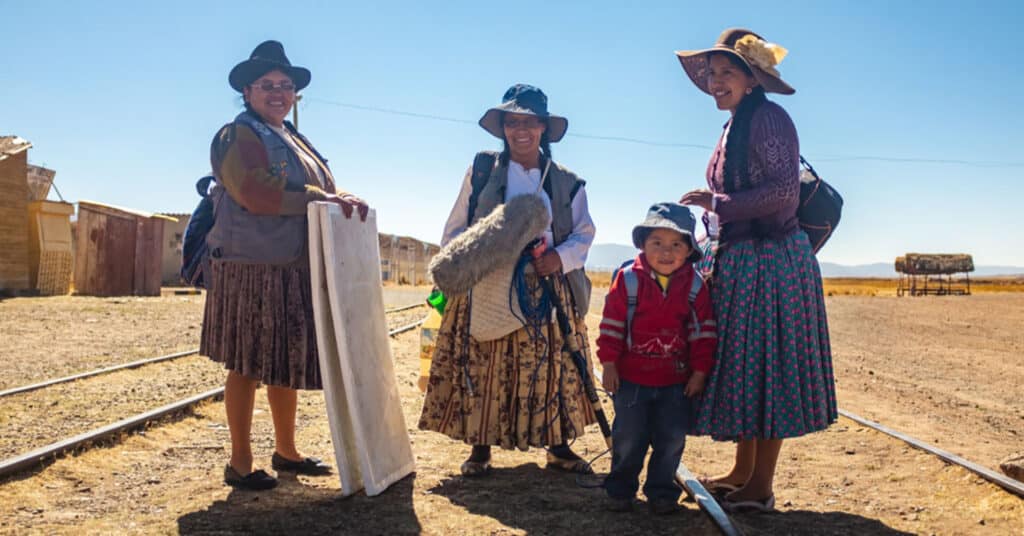
People with disabilities in the Anangu community expressed satisfaction with the quality of care they got from their neighbors. Some people who had previously been hospitalized outside their communities said that coming home improved their physical and mental health and that keeping near their relatives and peers was crucial to their general well-being.
The Mind-Body Connection is Crucial
Donna LaChapelle, a tribal elder and healer, has established a project that combines modern mindfulness techniques with ancient native healing rituals. “In our Native ways, we use smudging, ceremonies, sweat lodges,” she told Indian Country Today.
LaChapelle reintroduces Native people to practices such as belly breathing, based on healing paradigms that see the body and spirit as one interwoven being rather than two separate beings. According to the Star Tribune, breathwork courses can help ease the brain-gut connection. “All the fatigue and worry can be let out,” she added of belly breathing practitioners.

According to the National Institute of Health, loneliness is associated with an increased risk of physical conditions such as diabetes, heart disease, and a reduced life expectancy. In addition, traditional Indigenous wisdom recognizes that our bodily health is inextricably tied to our physical well-being.
Healing Plants
Indigenous people have used native flora for medicinal purposes for thousands of years, from Aboriginal clans in southern Australia to Alaskan Natives. Even though many of these traditional herbal medicine techniques were previously disregarded by Western scientists, research has revealed that they provide considerable health advantages.
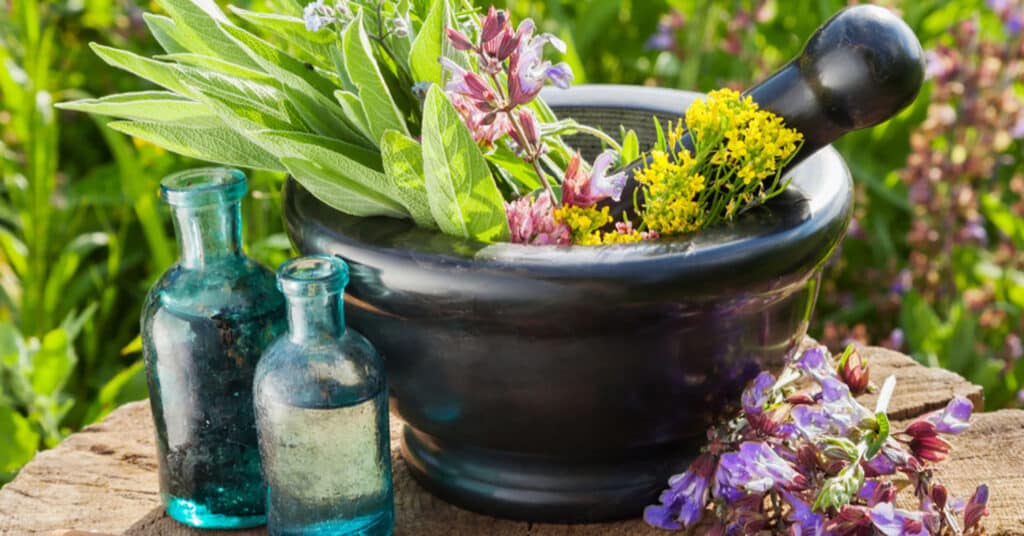
The aloe vera plant has been dubbed “the wand of heaven” and “the silent healer” by indigenous Indian populations. It is currently commonly used in many Western medical goods and has been used for diseases ranging from skin pain to infections.
While herbal therapies cannot replace Western medicine, these ancient healing plants and techniques can be an excellent complement to conventional treatments.
Storytelling is a Vital Source of Information
Oral folklore is a centuries-old means of passing down knowledge from generation to generation. It is still commonly practiced in indigenous cultures worldwide. Native storytelling contains everything from ancient healing skills to sustainable agriculture methods, even though most of this wisdom has never been documented in the literature.

Tara Houska, an indigenous rights activist, urged:
“We have been around for thousands of years and have a deep connection with nature. So, please listen and do your best to take our words to heart.”
The rest of society should take the knowledge buried in Native folklore seriously. Moreover, the fact that these tales have lasted for hundreds of years is a tribute to their worth. Everyone, from educators to legislators, may benefit from adopting these pearls of wisdom into their daily lives.


