
Play isn’t just for kids. It’s woven into how we learn and how we engage with the world. It also shapes how we spend our time online. Whether it’s collecting stars in a language-learning app or spinning a digital wheel in an online casino, gamification has become a key part of our daily digital experiences. But what exactly makes it so appealing? The answer lies deep within the brain’s reward system.
In this article, we’ll break down what gamification actually is, how it interacts with our neurochemistry, and why online platforms—especially casinos—have gotten so good at keeping us engaged.

Gamification Explained: Definition, Apps, and Real-World Examples
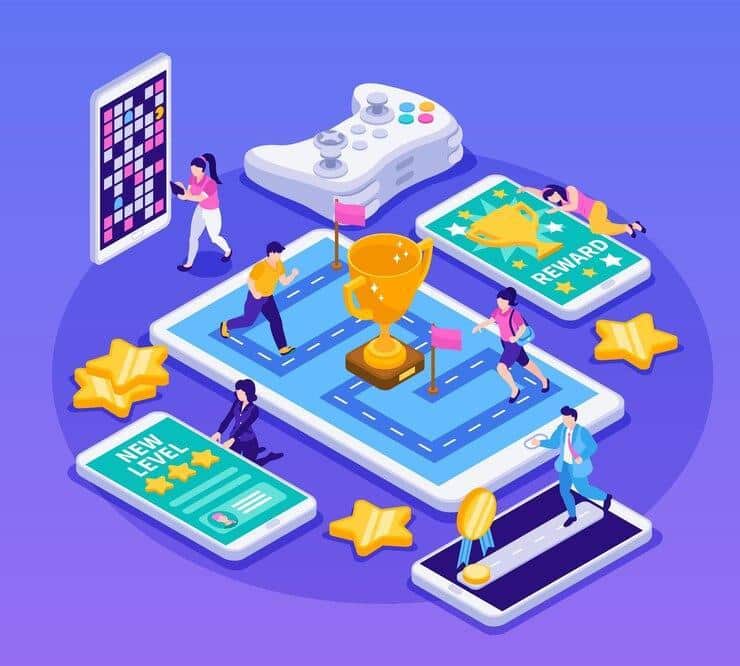
Gamification is the use of game-like elements—points, levels, badges, challenges—in non-game settings like fitness trackers or productivity apps. It’s not just about fun; it’s about engagement.
Companies, apps, and services use gamified systems to influence behavior. Want users to complete a task? Add a progress bar. Want them to keep coming back? Offer a streak bonus.
Gamification taps into the same instincts that make games addictive: our love for rewards, our curiosity for unlocking new levels, and our natural desire to achieve. But these responses don’t come from nowhere—they come from the brain, particularly the dopamine system.
Dopamine: The Brain’s Built-in Motivator
Dopamine is often misunderstood as the “pleasure chemical,” but that’s only part of the story. It’s more accurate to say dopamine fuels anticipation and motivation. When your brain expects a reward, dopamine spikes, nudging you to act. This explains why the sensation of nearly winning can sometimes have the same impact as actually winning the lottery.

This reward-based learning system is hardwired into our biology. When you achieve something—even something small—your brain rewards you with dopamine. Over time, we start to seek those small wins, whether it’s hitting a new personal best on a fitness app or collecting a daily login bonus in a casino game.
Why Slot Machines Hook Us So Easily
Out of all the examples of gamification, slot machines are some of the most effective—and most studied. The reason? Variable rewards.
In a slot game, you don’t know when or if a win is coming. Sometimes, you get nothing. Occasionally, you win a little. And every now and then, you win big. This unpredictable schedule is called variable ratio reinforcement, and it’s the same psychological principle that keeps people checking their phones for notifications or scrolling through social media.
Online casinos, like those featured on Vegas Freedom, use similar mechanics to create suspense and reward. Each spin or hand feels fresh because the reward is never guaranteed. This unpredictability activates the brain’s reward system in much the same way as social media notifications or loot boxes do.
Gamification in Everyday Life
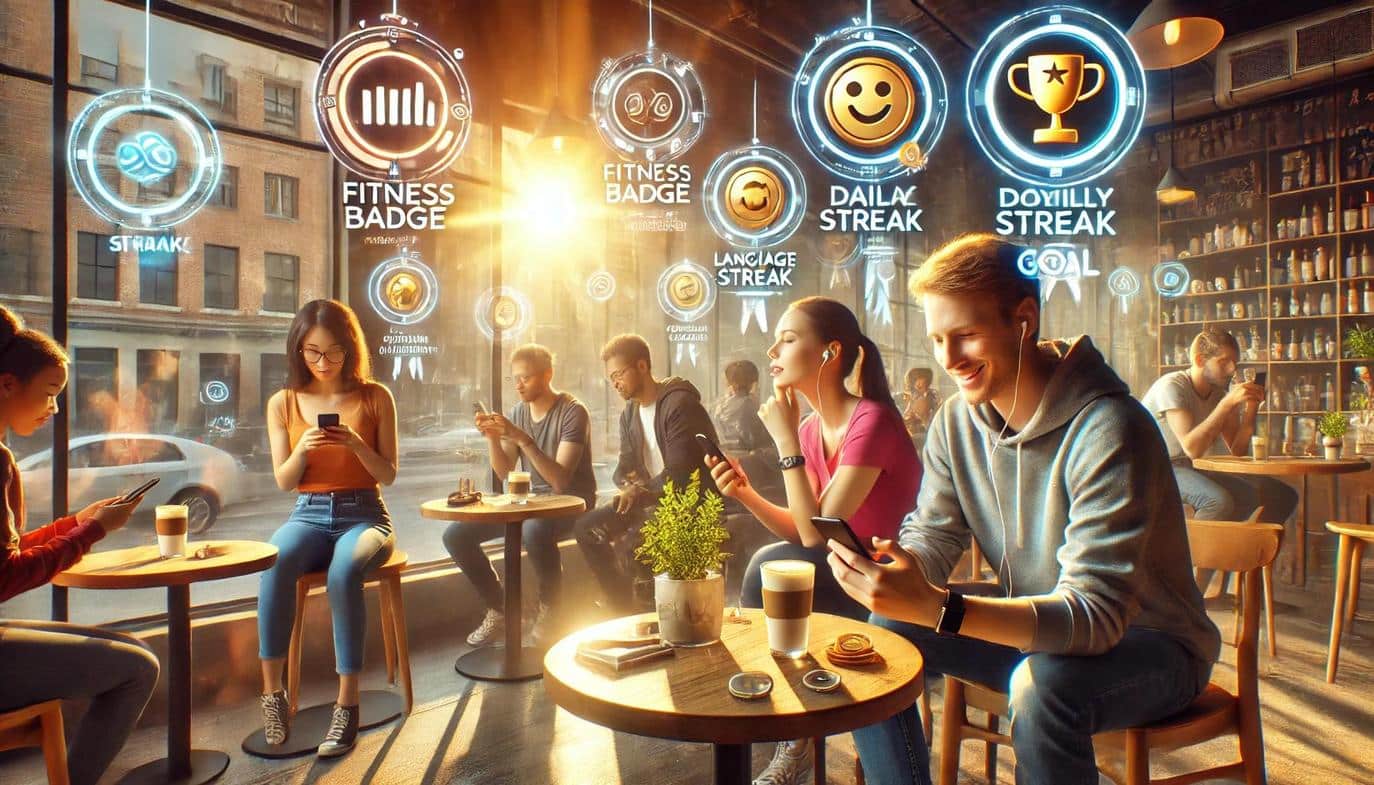
Of course, gamification isn’t limited to online casinos. Take a look at your phone, and chances are, at least a few apps use gamified features. Here are a few common examples:
- Fitness apps: Apps like Strava and Fitbit give badges for milestones, streaks for daily activity, and leaderboard rankings to encourage competition.
- Language learning: Duolingo has turned language study into a game, complete with streaks, hearts (lives), and experience points.
- Finance apps: Some banking apps offer “spending challenges” or savings “goals” that feel like achievements.
These systems are effective because they tap into our brain’s natural response to rewards and progression. While the progress may be virtual, the brain still registers it as a rewarding achievement—driving us to keep going.
The Role of Feedback Loops
A feedback loop is a cycle where your actions lead to a result, which then influences your next action. In gamified environments, the loop usually looks something like this:
- You perform an action (spin a slot, complete a task).
- You receive feedback (win or lose, earn points, get a badge).
- That feedback influences your next choice (play again, keep going, or stop).
This cycle is addictive because it’s fast, responsive, and emotionally engaging. When done well, it creates what’s known as a flow state—a mental zone where you’re fully immersed and focused on the task at hand.

How Online Casinos Use Gamification and Variable Rewards to Drive Engagement
Let’s be clear: online casinos don’t rely on luck alone. They’re carefully designed to be engaging, exciting, and sticky. Many combine multiple elements of gamification into one experience:
- Levels and loyalty tiers: Players earn points or badges as they play, unlocking new features.
- Missions and challenges: Some casinos offer daily or weekly goals to complete.
- Visual feedback: Bright lights, animations, and sounds trigger excitement—similar to real slot machines in a physical casino.
- Limited-time offers: Urgency and scarcity play into decision-making, encouraging quick action.
These elements all work together to maintain a strong feedback loop, driven by the brain’s reward system.
When Gamification Goes Too Far
As effective as gamification can be, it’s not always harmless. For some people, especially those with impulse control challenges, highly gamified systems can lead to problematic behavior. This is why ethical design is becoming a hot topic in tech circles.
With ethical concerns on the rise, developers are beginning to ask important questions:
- How much reward is too much?
- Should users be able to turn off gamified features?
- Are we nudging people toward healthy habits—or exploiting attention spans?
In online gambling, many platforms now offer built-in self-limiting tools like session reminders, deposit caps, and activity logs to help users stay aware of their habits.
Near Wins and the Brain: How the Reward System Drives Play Behavior
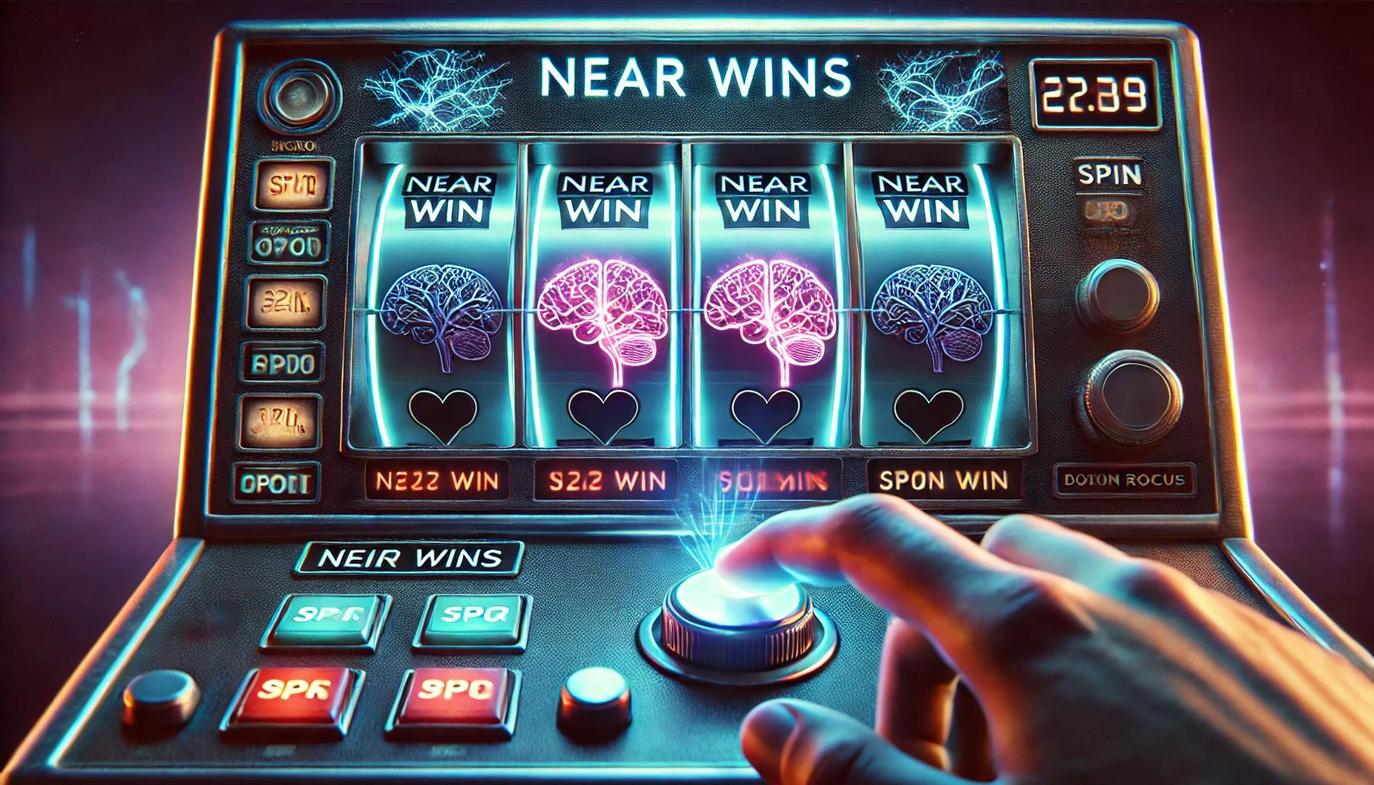
Another fascinating concept in the brain’s reaction to play is the “near miss” or “near win.” These are moments when you almost succeed—say, two cherries line up on a slot reel, but the third just misses.
Studies have shown that near wins trigger the same dopamine-rich brain activity as real wins, fueling persistent engagement. This keeps players engaged, chasing that next spin, that next try. It’s not limited to casinos either—you see similar psychology in claw machines, quiz apps, and even sales countdowns that just almost let you grab the deal.
Gamification in Learning and Work
Gamification has incredible potential when applied responsibly, such as increasing participation in online education platforms by over 30%. In education, for instance, turning learning into a game can improve motivation and retention. Corporate environments use gamification to encourage training, collaboration, and productivity.
Why? Because humans want to complete tasks when there’s a visual or emotional reward waiting at the end. Even checking a to-do list delivers a small dopamine boost, reinforcing the cycle of progress and reward.
When used to nudge positive behavior, gamification becomes a powerful educational and motivational tool.
A Look Into the Future
We’re likely to see gamification evolve even further. With AI and machine learning, systems are becoming more personalized—adapting the experience to your habits and preferences. Virtual and augmented reality now allow users to experience progress and reward in real-time environments—like simulated training or immersive language games.
The challenge, moving forward, will be balancing engagement with ethics. Gamification is powerful precisely because it’s so effective—but it has to be used with intention. People would rather not feel manipulated by design—they want motivation that aligns with their values and goals.

The Neuroscience Behind Our Love for Gamification
Gamification works because it’s clever by design. But more importantly, it speaks to something deeply human. The brain—especially the dopamine-driven reward system—is wired to chase achievement, respond to feedback, and crave progress. This is why a streak in a fitness app or a jackpot in a digital slot can feel so powerful.
Understanding the mechanics behind this drive helps us navigate gamified systems more intentionally. When applied ethically, gamification can enrich learning, improve wellness, and transform how we interact with technology.
Frequently Asked Questions About Gamification
What is gamification, and how does it work?
Gamification involves adding game-like elements—such as points, badges, and progress bars—to non-game settings to boost engagement and motivation.
Why do slot machines use gamification techniques?
Slot machines use variable rewards and sensory feedback to trigger the brain’s dopamine system, encouraging repeat behavior through anticipation and excitement.
Is gamification effective in education and work?
Yes, gamification can increase motivation, enhance retention, and promote positive habits in both learning environments and professional settings.
Can gamification be harmful?
It can be, especially when used unethically or in addictive environments like online gambling. Awareness and built-in limits can help mitigate risks.
What’s a “near win,” and why does it affect us?
A “near win” happens when success feels just out of reach, and it activates the same reward areas in the brain as an actual win—driving continued engagement.

