
Online gaming is undergoing a quiet transformation. Instead of focusing on long sessions, complex challenges, or competitive multiplayer, more platforms are embracing calm, low-pressure experiences. These new tools offer users brief, structured moments of play that feel more like wellness breaks than traditional games.
This change reflects a broader shift in digital consumption. With rising screen time and shorter attention spans, users want experiences that reset their energy, not drain it. In response, developers are creating platforms with simple mechanics, brief sessions, and gentle rewards to promote mental clarity and relaxation.
These digital moments offer a sense of routine, light enjoyment, and manageable progress, giving users a way to pause during the day and return with more focus. This transforms gaming entertainment into an act of well-being.
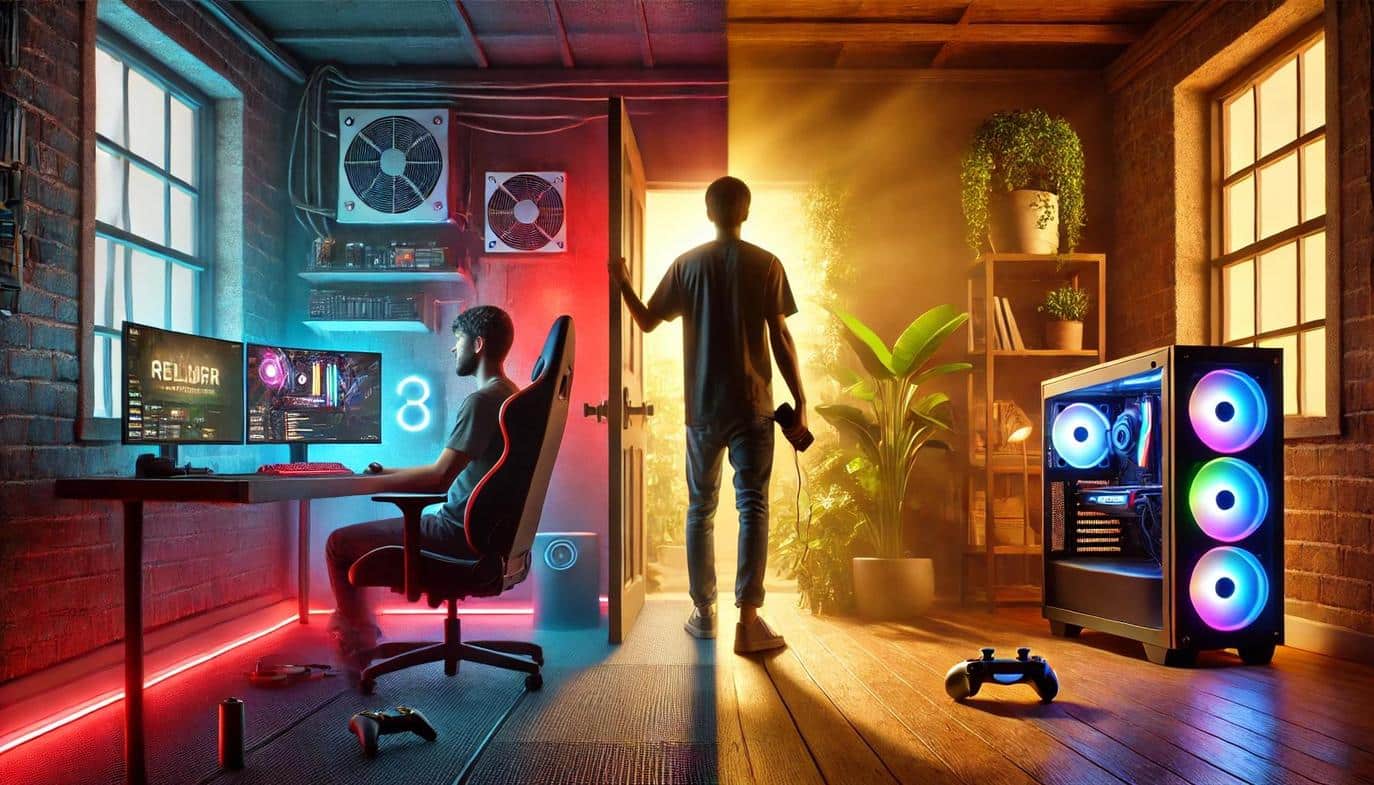
The Shift from Hardcore Play to Healthy Habits
The needs of digital users are evolving. Instead of intense, competitive environments, many now prefer shorter and gentler forms of digital play. These options provide stimulation without stress and structure without time sinks.
What People Want from Digital Play Now
People are turning to experiences that offer light engagement and immediate clarity. Instead of deep storylines or extended objectives, they’re choosing tools designed for short, refreshing moments. These platforms typically provide:
- Quick access: Games or tools that open instantly in a browser or app, with no downloads or setup needed.
- Gentle rewards: Simple feedback like tokens, progress bars, or visual cues that encourage play without adding pressure.
- Flexibility: Sessions that can be started and stopped easily, fitting around work, errands, or daily routines.
These tools are less about long-term goals and more about providing brief mental resets that offer a sense of progress without demanding significant time or energy.
Time Limits, Not Time Sinks
Today’s users often only want to play for a few minutes. Platforms that support short, self-contained sessions are becoming more appealing. Rather than drawing users into extended engagement, these tools are designed to fit naturally into small pockets of time throughout the day.
Common use cases include:
- Five-minute mental resets between tasks: A quick way to clear the mind before starting something new.
- A quick round of play during a break: Light entertainment without emotional or time investment.
- Brief structured moments to replace social scrolling: More intentional than browsing, yet still relaxing.
These short interactions allow people to stay mentally present. They offer a clear beginning and end, which helps users regain focus without feeling like they’ve lost track of time.

Understanding Reward-Based Wellness
Reward-based wellness blends light play with personal care. It involves digital tools that offer small victories or feedback as part of a wellness routine. These platforms are less about challenge and more about creating space for reflection and clarity.
A Balance Between Fun and Focus
Gamified features are still used, but their role has changed. Instead of pushing users to compete or chase high scores, these elements are designed to support calm and intentional use. There are no stakes, no pressure to succeed, and no reason to continue past what feels comfortable. Instead, users are guided toward experiences built around:
- Relaxation: Soothing visuals, soft sounds, and slow pacing help reduce stress and settle the mind.
- Closure: Each session has a natural endpoint, making it easy to step away without feeling interrupted or unfinished.
- Progress: Light feedback, like earning a token or completing a simple goal, gives users a small sense of accomplishment.
A study in Current Psychiatry Reports discusses how gamification has emerged as a novel technique for improving mental health, emphasizing the importance of tailoring these interventions to client needs.
This thoughtful design helps users reset their attention and restore focus without overstimulation, making digital play feel more like a helpful pause than a consuming habit.
A New Kind of Motivation Loop
These experiences work through short, repeatable loops of effort and reward. Instead of pushing users to level up or chase long-term goals, they focus on small, meaningful feedback that feels satisfying in the moment.
Here is how that structure usually works:
- Light challenge: Simple tasks that are straightforward to understand and don’t require full concentration.
- Instant response: Visual changes, soft sounds, or small tokens that provide a quick sense of progress.
- Routine value: A familiar experience that gives users a reason to return, but without pressure.
This type of interaction builds a gentle rhythm that supports consistent use. It encourages users to engage with intention, helping digital play become part of a healthy routine rather than a time-consuming habit.

The Technology Driving Calm Gaming
These changes in user behavior are also influencing how developers design platforms. The emphasis now is on creating lightweight, frictionless tools that work naturally within a person’s day.
Simpler Interfaces, Easier Entry
Most of these platforms are browser-based or lightweight mobile tools. Their design focuses on reducing friction, making it easy for users to start a session without delay or effort. The shared features often include:
- No installation: Everything runs directly in the browser, allowing instant access without downloads.
- No registration: Users can begin without creating an account or sharing personal information.
- No complexity: Interfaces are clean and intuitive, so anyone can use them without instructions.
This simple design makes digital play more approachable, especially for casual users who want something quick and comfortable without committing time or attention.
Built-In Breaks and Session Limits
The healthiest platforms include clear signals that encourage users to pause or stop, helping prevent fatigue and support mindful engagement. These break-friendly design elements often include session timers, calming visuals like slow animations and neutral color palettes, and clear cues that signal when a session has ended. Together, these features give users a greater sense of control over their time and focus, making it easier to enjoy digital play without overuse.

Reinventing the Mental Break with Online Tools
With attention fatigue rising, people are rethinking how they use short pockets of time. A five- or ten-minute break is no longer just a distraction. It is a tool for mental reset. Online platforms are starting to reflect that idea.
Casual Play for Cognitive Balance
Some platforms use light game elements like tokens, simple challenges, or daily participation mechanics to create small dopamine boosts. The goal isn’t competition but rather to encourage consistency and refreshment.
For example, short browser-based experiences like Crown Coins Casino offer free, sweepstakes-style play that requires no downloads or financial commitment. Designed for low-pressure daily use, they provide structured engagement that supports mental balance without demanding time or attention.
Digital Environments Designed to Pause, Not Pull
The best wellness-oriented platforms are built to respect how users manage their energy and attention. Rather than encouraging nonstop engagement, they support calm, intentional use. These tools are shaped by a few core principles:
- Low effort: meaning users don’t need to learn new systems
- Clear pacing: so each session moves smoothly from start to finish
- Gentle feedback: with no aggressive alerts or pressure to keep going
Together, these design choices create a space that feels light, balanced, and safe to return to at any time.
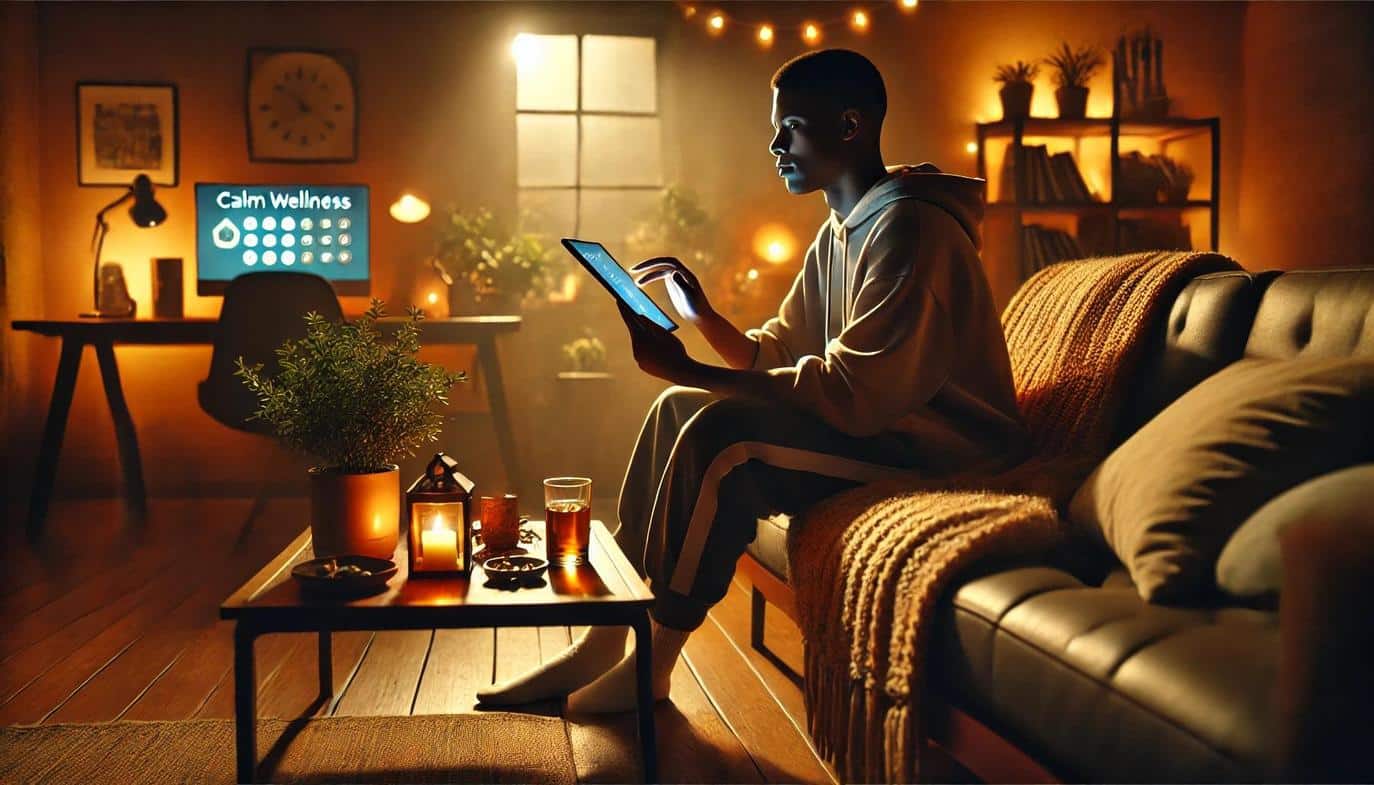
Why Calm Gaming Matters in a Burnout World
As stress levels rise and screen fatigue becomes more common, many people are rethinking their relationship with digital devices. The reward-based play offers a middle path. It is fun, but not draining. It is focused, but not intense.
Protecting Mental Energy
Instead of overwhelming the brain, these calm experiences create a moment of pause, allowing users to reset their focus without the cognitive load of shifting to a new task or emotional state. As screen time and digital fatigue grow, these benefits are becoming essential:
- Reduced overload: Calm experiences help prevent overstimulation and support mental clarity
- Predictable structure: Sessions have clear beginnings and endings, making them easy to manage
- Consistent routine: Tools can be used regularly without disrupting daily responsibilities
According to research from the Oxford Internet Institute, time spent playing video games is positively associated with well-being, suggesting that play can be an activity that relates positively to people’s mental health.
This approach helps people stay focused, feel more balanced, and remain present in both work and personal life.
Routine, Not Addiction
One of the strongest advantages of wellness-driven play is that it avoids unhealthy habits. The feedback loop rewards light effort and balance, not endless attention.
These platforms support healthier routines through:
- No time pressure: Users can step away at any point without missing anything. Sessions are short and self-contained, giving users full control over when to start or stop.
- No loss risk: There is nothing at stake, such as rankings or money, so users don’t feel pressured to keep going. This keeps the experience relaxed and low-stress.
- Daily rhythm: Many platforms refresh automatically each day, offering new content or rewards in a way that encourages short, regular visits without requiring extended play.
This promotes digital habits that align with personal goals instead of replacing them.

Redefining Play: A Future Focused on Wellness
The integration of wellness in online play marks a significant shift from mere entertainment to intentional well-being. By embracing calm, low-pressure, and reward-based experiences, digital platforms are offering powerful tools for mental clarity and balance. These brief, structured moments are not about escaping reality but enhancing it, providing a way to reset focus and manage energy in a world prone to burnout.
As technology continues to adapt to our needs, the future of digital engagement is becoming quieter and more purposeful. This new generation of calm gaming proves that the most valuable rewards are not found on a leaderboard but in the small, consistent habits that support a healthier, more balanced life.
Frequently Asked Questions (FAQs)
What makes “calm gaming” different from regular gaming?
Calm gaming prioritizes relaxation and mindful engagement over competition or high-stakes challenges. It uses features like session timers, soothing visuals, and low-pressure tasks to help users de-stress and reset their focus, rather than demanding long hours or intense concentration.
Can these platforms genuinely improve mental clarity?
Yes, by offering structured, short-form play, these tools help create mental breaks that can reduce cognitive overload. The simple, repeatable loops of effort and gentle reward provide a sense of accomplishment without overstimulation, allowing users to return to their tasks with a clearer mind.
Are “reward-based wellness” tools suitable for people who don’t consider themselves gamers?
Absolutely. These platforms are designed for accessibility, often requiring no downloads or complex sign-ups. Their intuitive interfaces and low-pressure nature make them ideal for anyone seeking a brief, refreshing mental pause, regardless of their gaming experience.


