
The urgency to combat climate change demands that we focus on industries that pose significant challenges to achieving net zero emissions. To facilitate this transition, stakeholders must understand and implement strategic approaches tailored to each sector’s unique characteristics. This section explores effective strategies and innovative technologies aimed at reducing carbon footprints in industries such as aviation, shipping, iron and steel, and chemicals.
Accelerating the Transition to Net Zero in Hard-to-Abate Sectors
Understanding the nuances of these hard-to-abate sectors is crucial, as they often rely heavily on fossil fuels and have intricate processes that produce considerable greenhouse gas emissions. By emphasizing the importance of collaboration among governments, businesses, and researchers, we can accelerate progress toward sustainability goals. Implementing practical solutions such as electric calcination, carbon capture technology, and sustainable fuel alternatives like green methanol can dramatically lessen environmental impacts.
Investment in research and development is essential to enhance efficiency and drive innovation within these industries. Policymakers can also play an influential role by providing incentives and support for low-carbon technologies. Engaging industries with customized strategies enables us to develop a comprehensive approach to decarbonization, ensuring a smoother transition to a more sustainable future for all.

1. Replace Fossil Fuels with Electric Calcination
Fossil fuels, including gas, coal, and oil, are crucial to industrial development. However, they play a significant role in contributing to global climate change. These energy sources account for over 75% of global greenhouse gas emissions and approximately 90% of carbon dioxide emissions.
An effective alternative to fossil fuels is electric calcination. This process utilizes electricity—preferably sourced from renewable energy—rather than relying on fossil fuels for high-temperature industrial applications. The transition to electric calcination offers substantial benefits, particularly for alumina refineries. The alumina refining process, which involves converting bauxite ore into alumina, is energy-intensive and traditionally depends on burning fossil fuels for process heating.
Electrifying calcination presents a significant opportunity to reduce emissions. Research published in ScienceDirect indicates that the electrification of calcination can decrease carbon dioxide emissions by up to 78%. This transformative shift requires substantial investments in renewable energy infrastructure and advanced technologies. Nevertheless, the potential advantages include improved air quality, reduced greenhouse gas emissions, and a clear path toward sustainable industrial growth, making this transition vital for the future.
2. Investing in Carbon Capture Tech
Minimizing direct carbon dioxide emissions poses significant challenges for industries such as steel, power, and cement. These sectors operate on processes that inherently produce CO2, making a complete transition to low-carbon alternatives difficult in the short term.
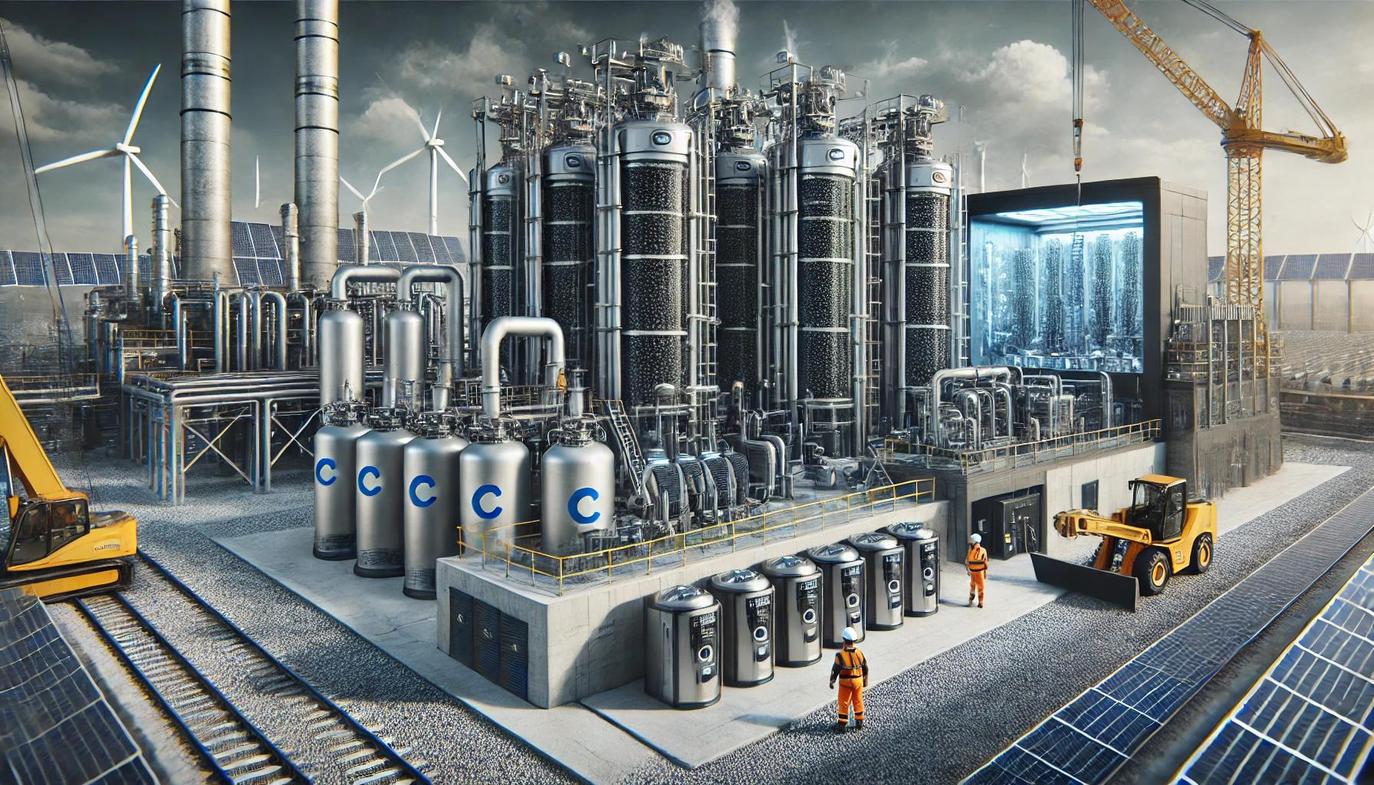
Carbon capture technology offers a revolutionary solution to this pressing issue. This technology incorporates solid-state carbon capture modules designed to capture CO2 emissions before they enter the atmosphere. The captured carbon can be stored underground in geological formations or utilized for various industrial applications, such as the production of synthetic fuels or building materials. For example, the captured CO2 can be employed in enhanced oil recovery (EOR) processes within the oil and gas sector. According to Atoco, EOR involves injecting CO2 into oil and gas reservoirs to enhance extraction efficiency.
The Industrial Decarbonization Network highlights the effectiveness of carbon capture technology in significantly reducing emissions associated with industrial electricity generation, which are two major contributors to global greenhouse gas emissions. Notably, the World Economic Forum reports that the cement plant located in Brevik, Norway, has become the first facility to implement carbon capture technology successfully. This advancement represents a critical step toward decarbonizing one of the hardest-to-abate sectors in the industry.
3. Shifting to Green Methanol
Methanol serves as a crucial raw material in key industries, including construction, chemicals, and plastics. Traditional methanol production, however, heavily relies on fossil fuels. This dependency contributes significantly to greenhouse gas emissions. The conventional production process emits large quantities of CO2, presenting a substantial challenge for industries that aim to minimize their environmental impact.
The solution lies in green methanol. This sustainable alternative is produced from low-carbon sources, such as biomass or captured CO2. In contrast to traditional methanol, green methanol offers a marked reduction in emissions. The World Economic Forum reports that it can decrease CO2 emissions by 60% to 90%. Additionally, green methanol reduces nitrogen oxide emissions by 60% to 80%.
Moreover, green methanol serves as an effective alternative to diesel and gasoline, which positions it as a promising cleaner fuel for shipping. Canada is at the forefront of this transition, actively integrating green methanol into its ambitious environmental goals. According to MarketsandMarkets, green methanol-powered ships are a vital component of these sustainability efforts.
4. Catalyzing Investments Through Incentives and Returns
The Net Zero Industry Tracker indicates that reaching net-zero goals in hard-to-abate industries will necessitate an additional $30 trillion in capital by 2050. This significant investment is essential to support the development of cleaner technologies, renewable energy infrastructure, and sustainable supply chains. Mobilizing such a vast amount of capital presents a challenge.
Effective strategies will be required to attract investors. One approach involves incentivizing investments through supportive policies, such as tax breaks, subsidies, and carbon pricing mechanisms. Governments can promote the adoption of low-carbon technologies by alleviating financial risks and increasing the potential returns on green projects. Additionally, public-private partnerships (PPPs) can play an important role in pooling resources to fund large-scale innovations, including green hydrogen and electrified industrial processes.
Industries such as aviation, cement, and shipping are among the most challenging to decarbonize. However, these sectors are also critical to global infrastructure. While progress may proceed at a gradual pace, it remains achievable with the right combination of innovation, policy measures, and financial incentives.

Forging a Sustainable Path Forward
The journey toward achieving net zero emissions in hard-to-abate sectors presents both significant challenges and promising opportunities. As industries such as aviation, shipping, iron and steel, and chemicals grapple with their substantial carbon footprints, it is essential to pursue innovative and actionable strategies that facilitate sustainable transformation.
Investments in advanced technologies like electric calcination and carbon capture can profoundly reduce emissions, while the introduction of green methanol as a fuel alternative offers a viable pathway for cleaner operations. Furthermore, strong collaboration between governments, private sectors, and research institutions will cultivate an environment conducive to the development of low-carbon solutions.
Encouraging policies such as tax incentives, subsidies, and carbon pricing mechanisms will create the necessary momentum for industries to embrace sustainable practices. As these sectors begin to adopt greener methodologies, they will not only contribute to global emissions reduction goals but also position themselves competitively in an increasingly eco-conscious market.
Moving forward, it is vital that all stakeholders commit to this common purpose, as collective efforts are essential for mitigating climate change effectively. By prioritizing the transition to net zero, we can ensure a healthier planet for future generations while fostering sustainable economic growth and innovation.


