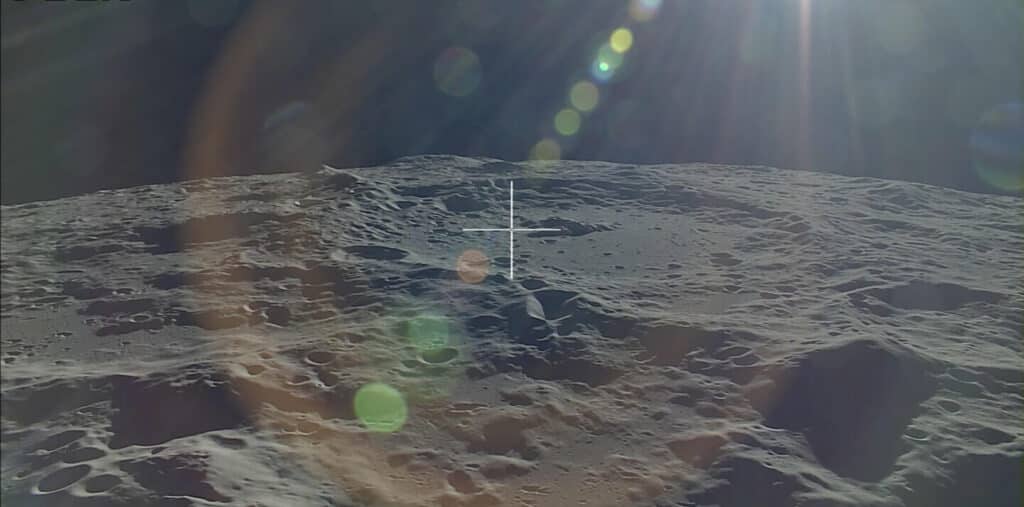
ESA-funded research intends to create a mechanism for detecting harmful superoxide soils on the Moon and Mars that could endanger astronauts and convert these dangers into ‘oxygen farms’ for future space missions.
We often take for granted how strange our planet’s ecology is. Our Earth is utterly dominated by water, to the point where we see it as standard and a harmless liquid that is chemically as safe as it gets.
However, water is one of the most reactive chemicals in the universe and the closest thing we have to a universal solvent. Furthermore, it appears harmless to humans (unless the person was submerged in water for days) because it has interacted with and dissolved or neutralized almost everything on Earth during the past five billion years. Thus, scientists are still learning a lot about living in a dry, waterless environment and what kinds of bizarre (to us) substances may live there.

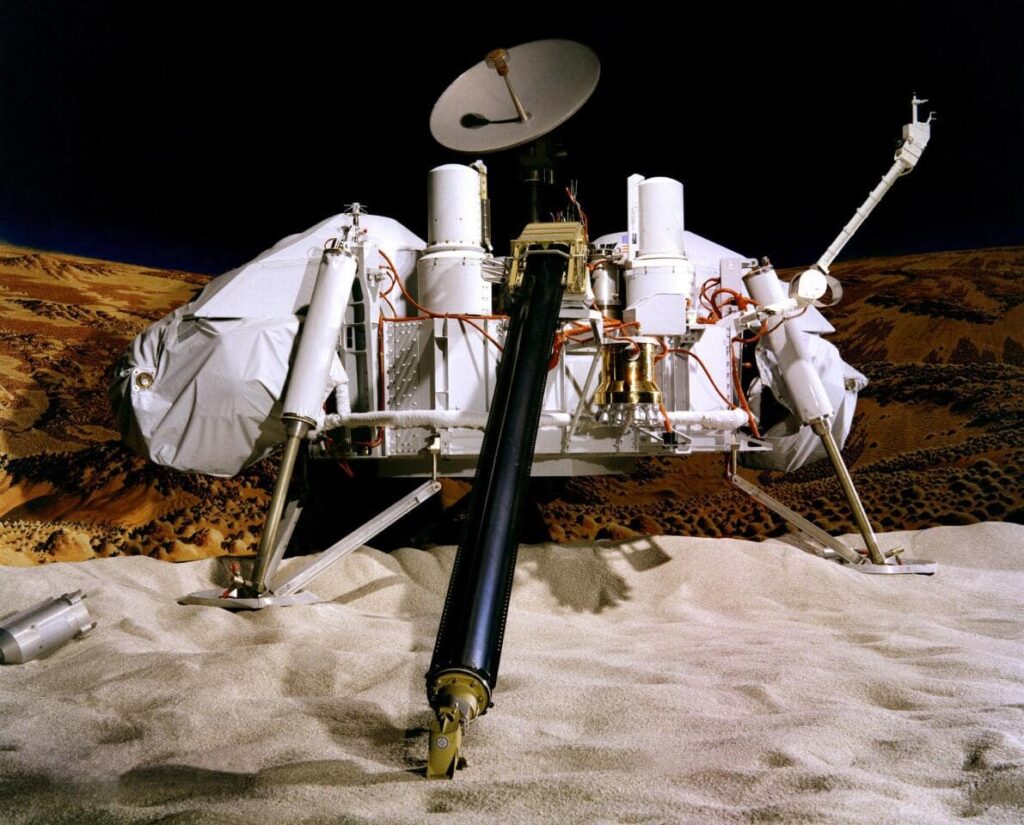
NASA’s Viking 1 and 2 lander missions, which landed on the Red Planet in 1976, provided a striking example. These were the first successful Mars landings, and they were also the only attempts to date to search for direct signs of life on Mars.
The Labeled Release experiment was crucial in this. First, the lander’s robotic arm scooped up a sample of Martian dirt and fed it into the onboard laboratory. After that, the soil was moistened with a few drops of a nutritional solution made up of water and seven simple organic molecules laced with the radioactive carbon isotope ¹⁴C.
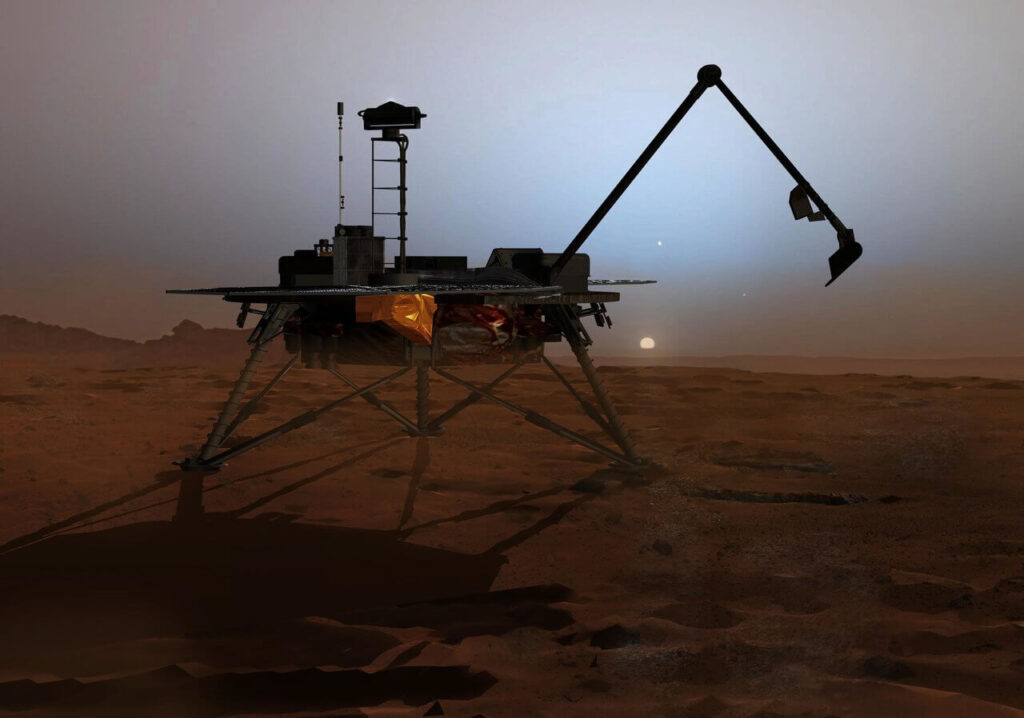
The theory was that if there were anything in the soil, such as bacteria, it would eat the nutrients and emit radioactive carbon dioxide, which the equipment would detect and quantify. And sure enough, ¹⁴CO₂ was released as soon as the broth was introduced.
The scientists on Earth were first ecstatic, but soon after, doubts surfaced. Indeed, the soil samples emit carbon dioxide, but only after being sterilized at 160° Celsius (320° Fahrenheit) for three hours. Worse, no traces of organic compounds were found when the materials were tested.

Though the causes for this have been extensively discussed for nearly a half-century, the most widely accepted opinion is that the activity observed was caused by highly reactive, oxygen-bearing abiotic compounds such as peroxides, superoxides, or perchlorates in the Martian soil.
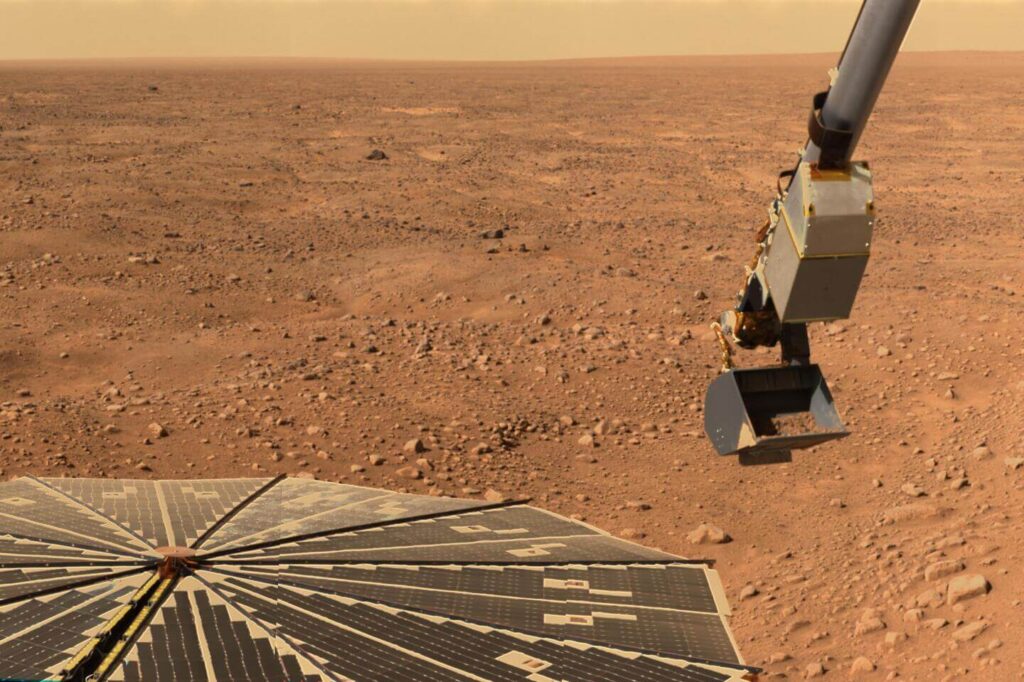
These chemicals, formed when harsh UV radiation strikes very abrasive soil particles, are extremely rare on Earth because water abolishes them and erodes the jagged surfaces of the soil particles that might produce them. However, these superoxides are relatively common on the Moon and Mars, where the soil is rough, and UV radiation bombards them daily. In 2008, NASA’s Phoenix lander discovered perchlorates in Martian soil.
Space scientists and engineers are concerned about these reactive chemicals for various reasons. First, they can not only wipe out any signs of biological fossils, but they are also exceedingly corrosive, meaning they can significantly damage machinery and burn unprotected lung and skin tissues.
With this in mind, researchers from the University of Patras and the National Technical University of Athens are developing a way to detect such reactive chemicals. The goal is to build a microfluidic device smaller than a book that can identify beds of superoxides, so astronauts can avoid potential risks using soil samples from the Mars-like Atacama and the Mojave Desert, as well as irradiated perchlorates.
What’s more thrilling is the prospect of scaling up the technology to create a chemical reactor that could convert these hazardous soils into an unlimited source of oxygen for future settlements on the Moon and Mars.
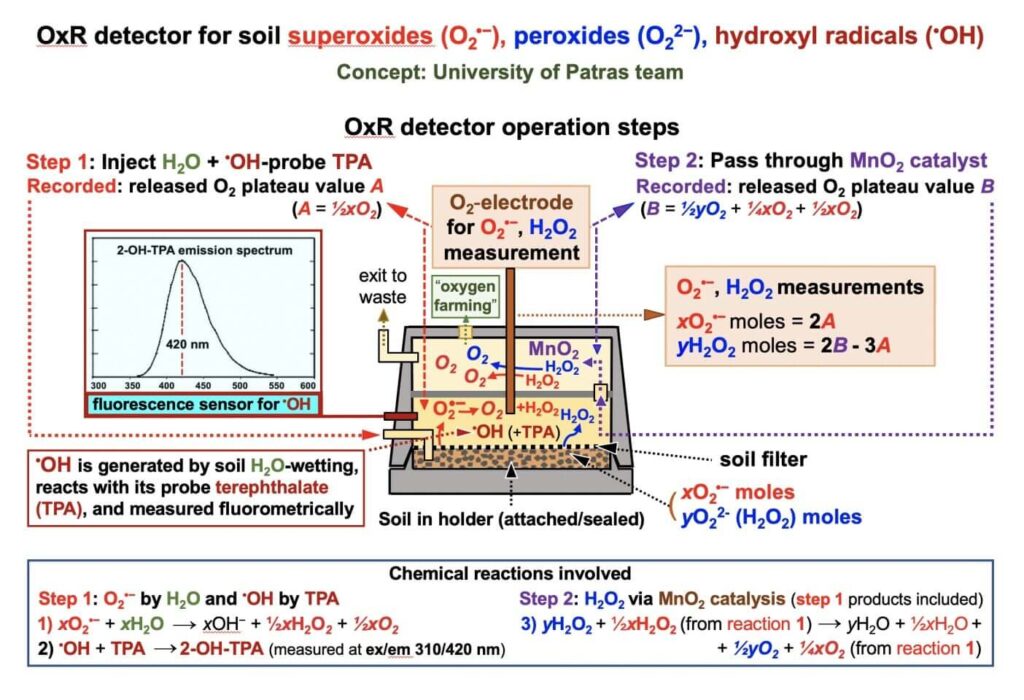
Malgorzata Holynska, a materials and processes engineer at the ESA, explained:
“The exciting aspect is that this technique can be used for more than just superoxide detection. The project, supported through ESA’s Technology Development Element, will include the initial design of a large-scale reactor device to periodically extract oxygen from the soil, what we term ‘oxygen farming.’ Solar UV irradiation will then replenish their oxygen supply within a matter of hours. The estimate is that a 1.2-hectare (3 acres) area would yield enough oxygen to keep a single astronaut alive.”
Since commercially available synthetic Moon and Mars regoliths aren’t suited for the team’s research, they’ll have to make their own or test with lunar or Martian meteorites.