
Healthcare organizations are looking for new ways to make patient care more efficient and improve the overall experience. One trend gaining a lot of attention is front office automation. Studies show that over 60% of healthcare providers plan to increase their investment in automation technologies over the next few years. But what’s driving this shift?
It’s not just about cutting costs or saving time. Modern digital front door solutions streamline patient interactions, enabling easier appointment scheduling, form completion, and information access—all without long waits or cumbersome procedures. Previously, traditional front office management depended significantly on manual tasks, which frequently caused delays, errors, and a less efficient experience for both patients and staff.
Automation enables healthcare facilities to optimize operations, minimize administrative tasks, and enhance focus on patient care. This article examines the growing adoption of automation in healthcare, highlighting how it’s revolutionizing front-office operations and why more organizations are making the shift.

Faster Patient Check-In
Traditional check-in processes often involve long lines and manual paperwork, which can frustrate patients and lead to delays. With front office automation, patients can check in using digital kiosks or even their smartphones before they arrive. This not only speeds up the process but also reduces the workload on staff.
Patients can fill out forms, update their information, and sign documents electronically. Everything is ready when they walk into the facility, reducing wait times and creating a smoother experience. For example, a large hospital in New York reported a 30% reduction in patient waiting time after implementing an automated check-in system.
Better Appointment Management
Missed or double-booked appointments are a common issue in healthcare, leading to wasted time and resources. Automated systems send reminders via text or email, helping to reduce no-shows. Through digital front door solutions, patients can easily schedule or reschedule appointments at their convenience, eliminating the need to call the office.
An automated scheduling system alleviates the front desk from an influx of calls, allowing staff to concentrate on more essential tasks. The outcome is enhanced operational efficiency and an improved experience for both patients and staff. Studies show that automated appointment management can reduce no-show rates by up to 40%.
Enhanced Patient Communication
Staying connected with patients is essential for providing good care. Automated communication tools allow healthcare providers to send updates, reminders, and follow-up messages. This means patients always have the information they need, whether about upcoming appointments, new health policies, or prescription refills.
For example, if a patient’s appointment needs to be rescheduled, the system can automatically send a notification with new time options. This reduces confusion and ensures that communication is clear and timely. A clinic in Texas saw a 25% increase in patient satisfaction scores after integrating automated communication solutions into their front office.
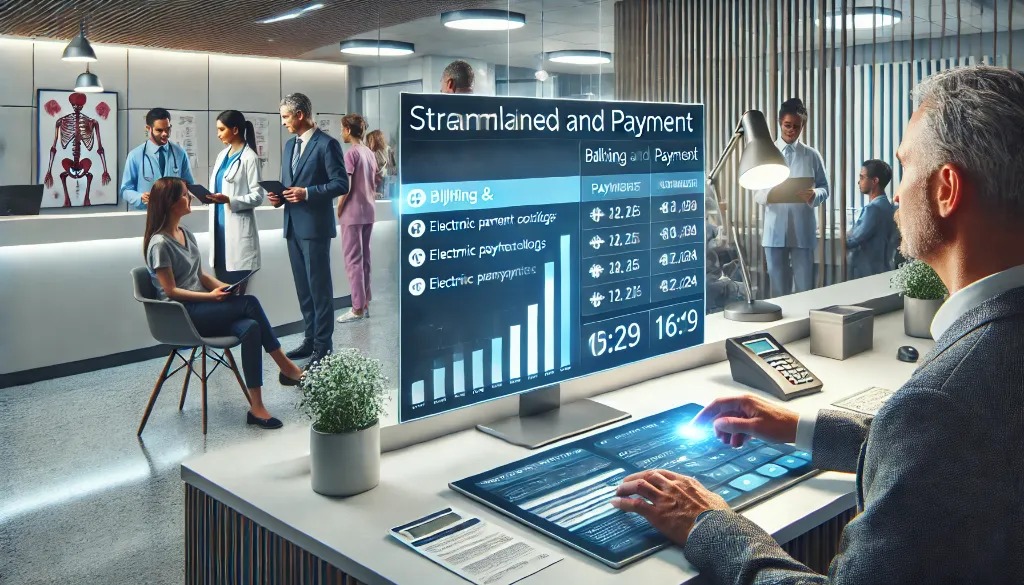
Streamlined Billing and Payment
Billing is one of the most time-consuming tasks for front office staff. Mistakes can lead to delays and frustration for patients. Automation tools simplify this by providing real-time billing updates and electronic payment options. Patients can receive digital invoices and pay their bills online, making the process faster and more convenient.
Healthcare organizations can lower administrative costs and enhance patient satisfaction by minimizing billing errors and optimizing payment processes. A California healthcare network reported a 20% decrease in billing errors and a 15% faster payment cycle after switching to automated billing systems.
Data Security and Compliance
Handling sensitive patient information comes with strict regulations. Automation systems are designed to store and manage data securely, reducing the risk of human errors that could lead to data breaches. Automated systems simplify the generation of compliance reports, helping healthcare organizations efficiently meet regulatory requirements.
Utilizing secure platforms, healthcare providers can safeguard patient data and uphold compliance standards, fostering greater patient trust. For example, a healthcare facility using automated compliance tracking reported zero compliance violations over two years, highlighting the effectiveness of such systems.
Improved Workflow for Staff
Front office staff often juggle multiple tasks, from answering calls to scheduling appointments and handling paperwork. Front office automation takes over routine tasks, freeing up staff to focus on patient care. For example, automation can handle form submissions, patient reminders, and data entry.
With a lighter workload, staff can be more attentive to patients and provide better support. This improves the overall workflow and helps prevent burnout, which is common in busy healthcare environments. A survey found that 70% of staff members in a large hospital felt less stressed and more productive after introducing automation tools.

Cost Savings and Increased Revenue
Investing in automation in healthcare can seem costly at first, but the long-term savings are significant. By reducing manual tasks, minimizing errors, and improving efficiency, healthcare organizations can lower their operational costs. Automated systems also allow for better use of resources, such as optimized scheduling, which means more patients can be seen without adding staff.
These improvements lead to increased revenue and a better return on investment over time, making automation a smart choice for healthcare providers. For example, a large healthcare network saved $500,000 in operational costs annually by adopting automation solutions for front office management.
Creating a Better Patient Experience
Patients value their time and appreciate a seamless experience. With automated systems, they can schedule appointments, check in, and receive updates with minimal hassle. This positive experience translates to better patient satisfaction and loyalty.
A happy patient is likelier to return and recommend the facility to others. By investing in front office automation, healthcare organizations improve their operations and build stronger patient relationships. An outpatient clinic reported a 35% increase in positive patient reviews within the first six months of implementing automation in its front office operations.
Optimized Resource Allocation
Automation helps healthcare organizations make better use of their resources. With real-time data on patient flow and staff availability, managers can allocate staff more effectively and ensure that no department is understaffed or overwhelmed.
For example, automated systems can prioritize urgent patient needs during peak hours while ensuring that routine appointments are scheduled appropriately. This flexibility improves resource efficiency and allows for better overall facility management.

Reducing Human Errors in Data Entry
Manual data entry is prone to errors, leading to patient care and billing complications. Automated systems eliminate this risk by accurately capturing and recording data. This means fewer errors, less time spent on corrections, and improved data accuracy.
A study showed that automation reduced data entry errors by up to 80% in a busy healthcare facility, highlighting the value of these systems in maintaining accurate patient records and smooth operations.
Supporting Telehealth Integration
With the rise of telehealth, integrating digital front door solutions is more important than ever. Automated front office systems seamlessly connect with telehealth platforms, allowing patients to easily book virtual appointments, receive reminders, and access health information.
Integration ensures telehealth visits are as smooth and organized as in-person appointments, providing a consistent patient experience. For example, one health clinic implementing telehealth integration saw virtual visits increase by 50% within the first quarter.
Embracing the Future of Healthcare with Automation
Front office automation and digital front door solutions are becoming essential for improving efficiency and enhancing patient care. From streamlining check-ins to ensuring data security, these systems transform how front-office operations are managed. To implement these solutions effectively, partnering with an experienced provider who understands healthcare organizations’ unique needs is important.
Choose a provider that offers a full range of automation solutions and support to help your organization stay ahead. With the right partner, healthcare providers can create a more efficient, patient-friendly environment that benefits both staff and patients. Explore automation options today to see how your healthcare facility can benefit.


