
Creating a home that’s both eco-friendly and cozy doesn’t have to be hard or expensive. With just a few small changes, you can lower your energy use, reduce waste, and feel good every time you walk through your front door. The best part? You don’t have to give up comfort to live more sustainably.
Try shifting your mindset toward sustainability—you’ll quickly see how small changes lead to lasting comfort. And once you do, you’ll start noticing patterns: wasteful habits that can be swapped, unused items that can be repurposed, spaces that can work harder for you. It opens the door to practical thinking.
This is where transformation begins—right inside your home. It’s not about overhauling everything overnight, but about choosing to begin, right where you are.

Start Small with Energy-Saving Habits
Let’s begin with the basics. Your home should reflect your values—if you care about the planet, let your space make that statement. One of the easiest ways to make a difference is to use less energy.
Conserving energy starts with mindful habits.
- Replace incandescent bulbs with LED lights, which last longer and use a fraction of the electricity.
- Unplug devices when idle and take advantage of daylight instead of artificial lighting.
- Open blinds during the day, work near windows, and rearrange furniture to invite more sunlight and reduce your energy footprint.
By being deliberate about how energy flows through your home, you’re creating systems that reduce reliance on unnecessary inputs. These small efficiencies can build into long-term stability. That’s the foundation for everything that follows.
Reduce Waste with Reusables
Another smart habit is to cut down on single-use items, which are one of the biggest contributors to household waste. Reducing reliance on disposable products not only saves money but also minimizes landfill contributions and supports a circular economy mindset.
That means:
- Swapping paper towels for cloth ones
- Using refillable glass jars instead of repeatedly buying plastic containers
Each of these small swaps creates a ripple effect—saving resources and shaping a cleaner home over time. They also give your home a clean, modern look that’s hard to beat.
The Smart Case for Boot Dryers
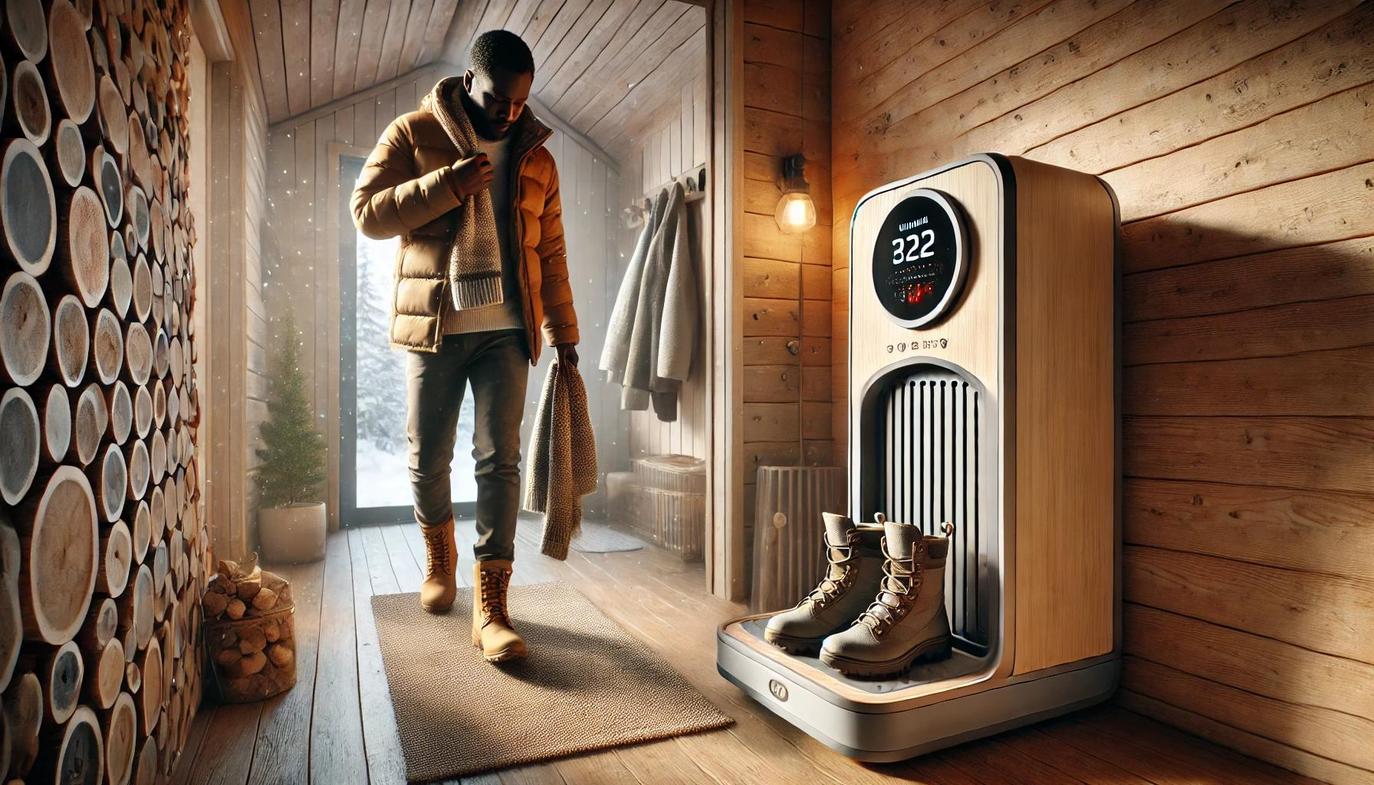
Let’s talk about warmth and comfort—especially in cold or wet climates. It’s easy to slip into wasteful habits when we just want to stay dry and cozy. That’s where boot dryers come in.
A good boot dryer is a smart tool for any sustainable home. Why? Because it helps your footwear last longer. Tossing wet boots in a pile—or worse, using a noisy, energy-hungry dryer—wastes power. A boot dryer gently dries them while using very little energy.
For those unfamiliar there’s even a glossary on boot dryers; it’s useful to understand the different types available and how they function to support sustainable routines. It keeps your shoes in good shape, reduces the need to buy new ones, and keeps mold and odor away—so your home stays fresh and healthy.
Sustainable Style Choices
When considering your home’s design, opt for materials and furniture that stand the test of time. Natural wood, recycled fabrics, and secondhand pieces can be both stylish and earth-friendly. These elements add texture, reduce environmental impact, and bring authentic charm to any room.
Intentional choices in home design affect how your living environment functions and how it feels. From material selection to room layout, each decision influences atmosphere and utility. Thoughtful design supports both comfort and sustainability.
Add Nature to Your Space
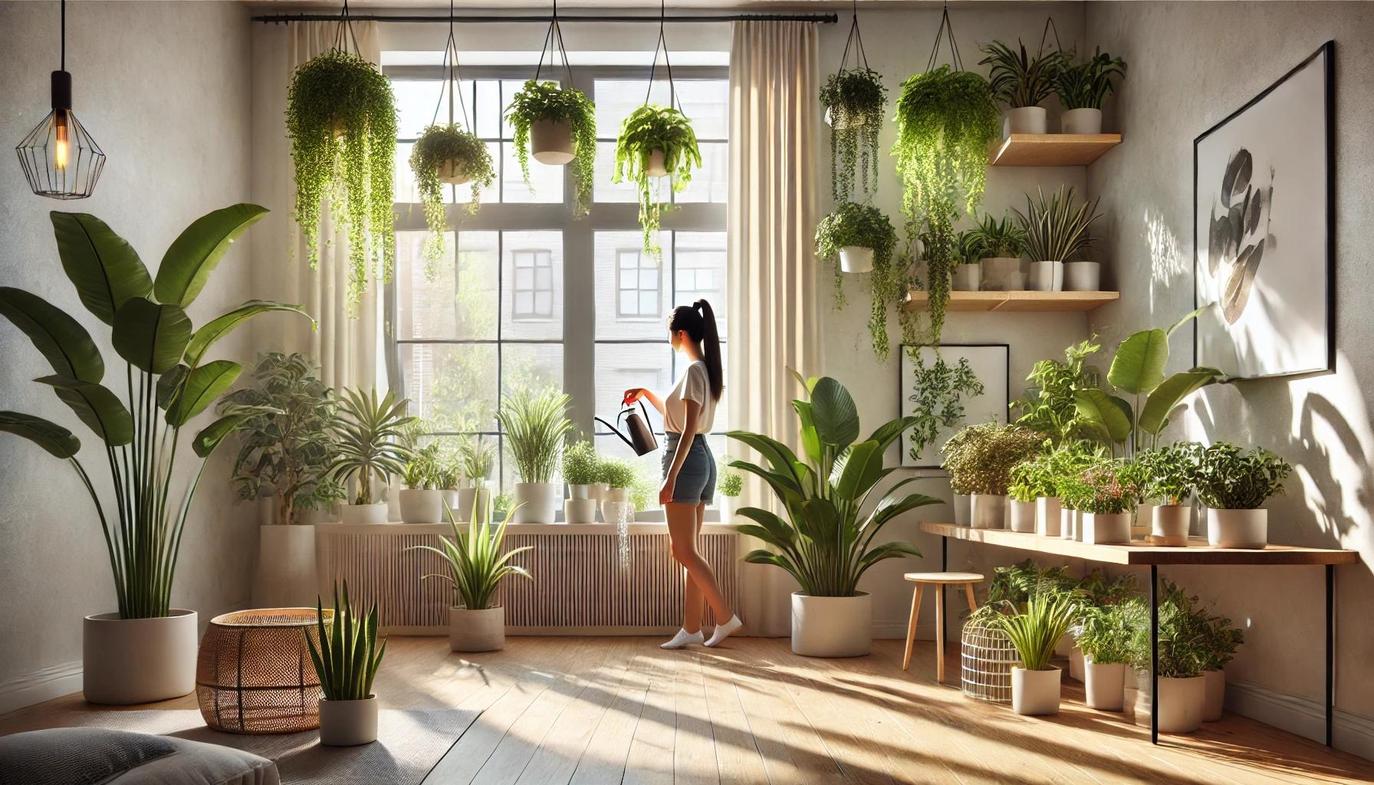
Adding plants is one of the simplest ways to breathe life into your home—both visually and physically. Greenery purifies the air, brightens your space, and adds a sense of calm you can feel. You don’t need to be a gardening pro.
Choose hardy, adaptable species that tolerate varying conditions. These types of plants are often native or well-suited to indoor environments. Their resilience makes them a good fit for those with limited time or experience.
Build a Home That Reflects Your Values
What really makes a home sustainable is how we live in it. It’s the daily choices, small actions, and mindset of wanting to do better. When you combine comfort with care, you create a space that supports both your life and the world around you.
Next time you walk into your home, take a moment to notice what can be reused, switched, or simplified. Think about what you can reuse, what you can switch, and what you can simplify. Sustainability isn’t about being perfect—it’s about being aware, thoughtful, and open to change. Step by step, you’re crafting a space that reflects not just comfort but care for the world beyond your walls.

Create a Lasting Impact with Every Choice
Building a sustainable home is more than a checklist—it’s a lifestyle anchored in thoughtful intention. With each mindful change, from energy use to the products you bring into your space, you contribute to a healthier world and a more comfortable life. Your home becomes an extension of your values—efficient, beautiful, and filled with purpose.
Let your everyday choices ripple outward by adding plants to purify the air or choosing furniture that tells a story—because your efforts matter. Keep refining, keep caring, and keep evolving—because a truly sustainable home grows with every thoughtful decision you make.
Answers to Your Most Common Sustainable Living Questions
What are the easiest ways to make my home more eco-friendly?
Start with small changes: switch to LED bulbs, reduce single-use plastics, and use natural lighting during the day. These habits are easy to adopt and can significantly reduce your environmental footprint.
Are boot dryers really energy-efficient?
Yes! Most boot dryers use very little electricity—far less than standard dryers. They’re a great low-energy solution to keep your footwear in top shape, especially in damp or cold climates.
How do indoor plants help make a home more sustainable?
Indoor plants purify air, reduce stress, and help regulate indoor humidity. They’re a simple and natural way to improve your living environment without any electronic input.
Can sustainable furniture also be stylish?
Yes, and secondhand, recycled, and sustainably made furniture often carries unique character and history. With thoughtful curation, you can achieve both sustainability and great interior design.
Do I need a big budget to start living sustainably at home?
You don’t need a large budget to get started. Many sustainable swaps—like reusable cloths or unplugging devices—cost little or nothing at all. Over time, these habits often save you money as well.

