
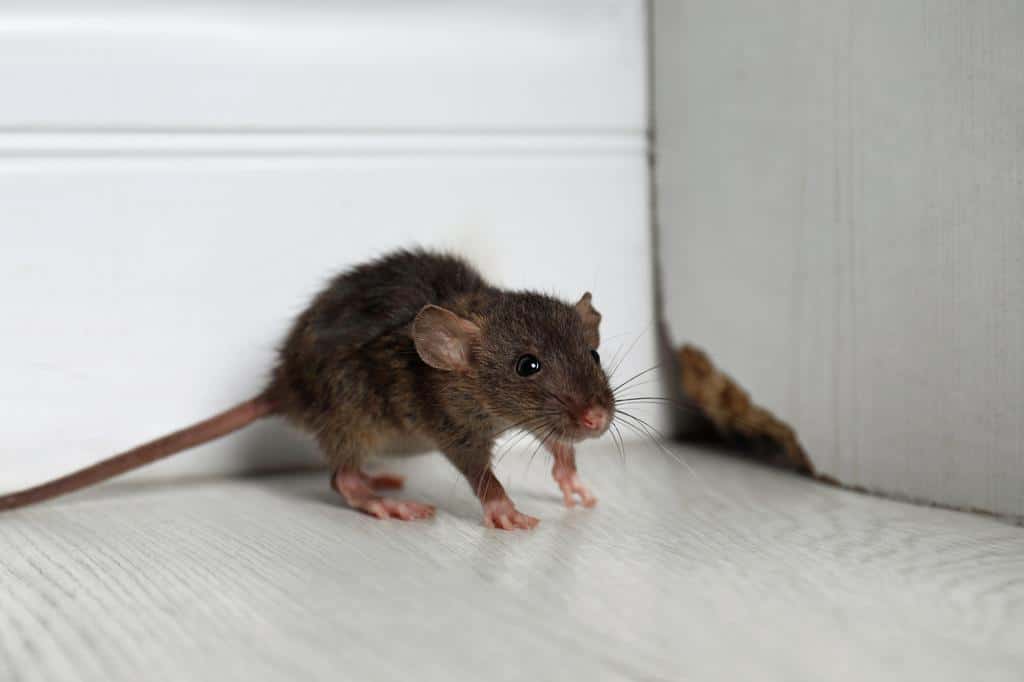
Even if you think mice are cute, you certainly don’t want one or more of them running free in your house. Unfortunately, mice look for warmth and food as the days get colder, and they often find what they need inside our homes.
It’s normal to want to get rid of these pests as quickly as possible. However, you also need to make sure that no more mice can come for a visit and decide to settle down. But how do mice get into your house in the first place?
Gaps in your windows and doors
You must know that mice can fit through holes just ¼ inch wide. If your house is old, there might be gaps around your windows and doors that would make perfect doors for mice to get into your home.
If your house is recent, perhaps your windows and doors were not installed properly, and their frames could present cracks or holes. Plus, any wooden door chipped at the bottom can be chewed on by mice trying to break in.
Cracks in your foundation
Concrete foundations develop cracks over time due to the ground’s growing and shrinking. This is perfectly normal, but it can damage your house.
Go around your house and look closely at the foundation, especially behind the bushes and on your porch. If you notice any cracks, fill them with silicone caulk to prevent mice from entering.
Your chimney and fireplace
Mice can climb your chimney and, just like Santa Claus, enter your home through your fireplace. To prevent these guests from bringing you unwanted gifts, install metal sheets around the base of your chimney so it will be too slippery for mice wanting to climb up. Also, contact a pest control service to get rid of the mice.
Corner posts
How do mice get into your house without cracks in your foundation or gaps around your doors and windows? They could get in through your corner posts.
Corner posts seal off siding and wall edges. They make your house corners look pretty and clean, but since they are hollow, mice can easily climb inside them and slide through any gap they find.
Gutters and downspouts
Gutters catch water dripping from your roof, and downspouts direct it down and away from your house’s foundation. Mice are agile climbers who can climb inside downspouts to reach gutters. They can then walk around and enter your home through any small gap.
To prevent this, seal downspout openings with chicken wire. Just remember to remove it occasionally and remove debris that could clog your downspouts.
Exterior vents
Vents help keep the air moving inside your house by releasing air outside. You know about dryer vents, but they can also be found in your bathroom, kitchen, attic, and chimney.
If a screen does not protect them, exterior vents make perfect doors for mice that want to get into your house. Plus, the air blowing through these vents is usually warm, which appeals to mice looking for a cozy spot to settle down as the cold season approaches.
Your plumbing system
Mice can crawl inside your home’s plumbing system and enter through your bathtub or sink drain. They can chew through PVC pipes or slide through any tiny gap they find.
To prevent mice from getting inside your house that way, you can get a plumber to install a non-return valve in your pipes and grates over your drains.
Electric cable openings
By now, you understand how easy it is for a determined mouse to enter your home. If it thinks it will find warmth and food inside, it will look for a small crack or gap and crawl through it.
Wherever an electric cable enters your house, a hole might be large enough for mice to slide through. Inspect utility line openings and seal holes with silicone caulk.
Your attic
Mice can easily get on your roof by climbing up the downspouts, on wire cables, tree branches or creeping vines. Once they are on your roof, they will look for damaged roofing tiles and cracks to enter your attic.
And since you are probably not spending much time in your attic, it could be long before you realize that some mice have made it to their new home.
Conclusion
Preventing mice from entering your home requires regular inspections and proactive measures. Seal gaps around windows and doors, fill cracks in your foundation, secure gutters and vents, and maintain a clean environment to deter these pests.
If you notice signs of infestation, consider consulting a pest control professional for effective solutions. Taking these steps now will help you maintain a safe and healthy living space free from unwanted mouse visitors.

