
If you find it more challenging to concentrate than usual, some simple exercises and foods can help regain your focus.
Researchers have estimated that the average person will have over 6,000 thoughts per day. We must filter out most of this data to get anything done. If you have a task you need to complete, you must focus on that task and ignore any of these incoming thoughts.
Train Your Brain

Many people are having a challenging time focusing during the ongoing pandemic. However, according to Dr. Amishi Jha, a cognitive and behavioral neuroscience professor at the University of Miami, we can learn to focus better by training our brain as a muscle. Specifically with 3 to 12-minute bursts of daily exercises.
Dr. Jha highlights that stress is one of the biggest obstacles to focusing. In a high-alert state, we often start pondering and get stuck in “loops of doom” or imagined scenarios. In addition, this mode affects our “working memory”: the amount of information that our minds can hold and use for a task. “Working memory is like a mental whiteboard with disappearing ink,” explained Dr. Jha.
Once that whiteboard is filled with thoughts, feelings, and images relating to the root of our stress, there’s no room for new data. We might start zoning out, blanking, or snapping at our loved ones, then feel guilty, which doesn’t make focusing any easier it just makes it more challenging. Another issue is that we now have far more sources of distraction, like new apps, smartphones, and video games.
Regain Your Focus

Short bursts of daily mindfulness training can help us notice the traffic of thoughts and urges that continuously distract us. One of these exercises involves sitting upright, closing your eyes, and focusing on where your breathing feels most prominent, typically in the chest or diaphragm. Direct your focus there like a beam of light and recognize when thoughts or sensations pull it away: a memory arising; a reminder that you need to reply to an email; an itch. Do this for 3 to 12 minutes every day, for one week.
Other helpful ways to Regain Your Focus include:
- Slow down – Train yourself to notice when you’re distracted, and take a moment to breathe to refocus on the task at hand. If you receive new information, take a step back and give your brain a chance to process what you’ve learned.
- Manage your stress – Mindful meditation or other stress-reduction approaches, like meditating, drinking hot tea, getting massages, or going to the sauna, can also help you relax and be more present. This can help you absorb new information and recall it more easily, among many other benefits.
- Regular exercise – Physical activity benefits your body and your mind. Plenty of research has shown that physical exercise is good for brain health. Among these is a 5-year study that found you can sharpen your memory and lower your risk of dementia by becoming physically fit.
- Improve your sleeping habits – If you have poor sleep quality, work on ways to get more rest, even if that means taking naps. Some ways to improve your sleep include staying off electronic devices near bedtime and establishing a consistent sleep schedule. However, if at-home strategies are not working for you, it may be best to check with your doctor.
While training your brain with simple daily exercises is very effective, some foods and beverages can also rejuvenate and boost the brain.
Pickled Capers To Improve Brain Health
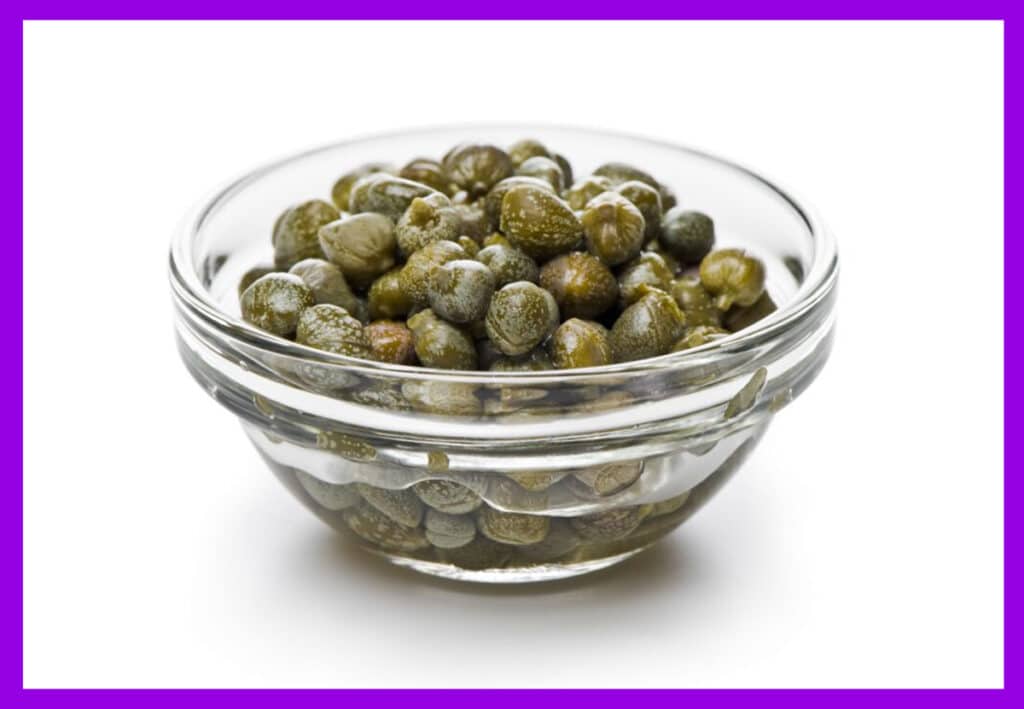
A pair of researchers discovered that a bioflavonoid called quercetin, found in pickled capers, can modulate proteins needed for bodily functions, including the heartbeat, brain, muscular contraction, thyroid, pancreas, and gastrointestinal tract.
Humans have used capers as traditional medicine for hundreds if not thousands of years. Scientists are studying them for their anti-cancer, anti-helminthic, anti-diabetic, and anti-inflammatory properties. Capers are the highest-known natural source of quercetin, with a maximum concentration of 520 mg/100 g for canned capers and 323 mg/100 g quercetin for raw capers.
In a study published on July 8, 2020, in the journal, Communications Biology, researchers from the Irvine School of Medicine at the University of California found that quercetin regulates potassium ion channels in the KCNQ gene family.
Potassium ion channels are incredibly influential in human health, and their malfunction is linked to many human diseases, such as epilepsy, cardiac arrhythmia, and diabetes.
The study revealed that quercetin regulates the KCNQ channels by modulating how they perceive electrical activity in the cell, suggesting an unexpected mechanism for capers’ therapeutic properties. Other quercetin-rich foods and quercetin-based nutritional supplements may also hold this mechanism.
Apples To Boost Brain Function

An international group of scientists was inspired by the idea that mammals’ brain structure and function are likely shaped by evolving with exposure to particular diets. So, they conducted a study that focused on whether bioactive factors (natural compounds) found in apples directly affect hippocampal neurogenesis (the production of new brain cells) in the adult mouse.
The team – led by Tara Louise Walker from the University of Queensland and Gerd Kempermann from the German Center for Neurodegenerative Diseases – found that high concentrations of phytonutrients from apples could help boost brain function (learning and memory) by stimulating neurogenesis.
Phytonutrients are chemical substances in plants known to affect the body, including the brain, positively. Examples of phytonutrients include epigallocatechin-3-gallate (EGCG) in green tea and resveratrol in red grapes’ skin, which is linked to a reduced risk of age-related conditions such as cancer, diabetes, and heart disease.
The researchers found that it’s the quercetin (a flavonol in apple peel) and 3,5-dihydroxybenzoic acid found in apple flesh that does the work. The team used lab-grown stem cells from adult mouse brains. They added the phytonutrients commonly found in apples to the cell cultures. The brain cells were protected from death and generated more neurons when exposed to quercetin or dihydroxybenzoic acid (DHBA).
Further experiments with mice showed that stem cells multiplied and produced more neurons in distinct brain structures associated with memory and learning when the animals were given high doses of quercetin or DHBA. The effects were comparable to those experienced after physical exercise, an established stimulus for neurogenesis.
This study’s takeaway is that natural compounds in the fruit, especially quercetin, and DHBA, could promote better brain function when given high concentrations. However, further analysis is needed to prove if phytonutrients can enhance learning and cognitive function.
4 Cups of Tea to Improve Brain Health

A 2019 study led by researchers from the National University of Singapore (NUS), in collaboration with researchers from the University of Essex and the University of Cambridge, found that regular tea drinkers have “better-organized brain regions” than non-tea drinkers. Having the cells in your brain more organized is associated with healthy cognitive function. The team made this discovery by examining neuroimaging data of 36 older adults.
Non-Alcoholic Euphoric Drinks To Boost Brainpower

Kin is an alternative non-alcoholic euphoric beverage brand that makes drinks designed for social drinkers. Euphoric beverages are engineered with natural chemicals to give you various euphoric sensations and increase your conscious connection with others. So, with Kin, you can maintain the treasured rituals of alcohol minus its downsides.
The ingredients include:
- Adaptogens (natural herbs that let you better manage stress)
- Nootropics (compounds that boost cognition)
- Botanics (plant-based elements that govern flavor, nutrition, and function)
Combined, adaptogens, nootropics, and Botanics grant you various pleasant sensations, allowing you to indulge in lush, more rewarding socializing. You get a boost to your mood and feel good the next day! You won’t get drunk, but you will feel warm and focused and have a better sense of connection with others.
Each individual will experience the effects differently because the herbs react to your body’s chemistry, creating a plethora of possible feelings from person to person. Some report a relaxing, calm sensation, while others have euphoric joy. And the cognitive brain boost can make the drink a valuable aid in your daily routine.
There are three Kin euphoric choices – Kin Spritz, High Rhode, and Dream Light – each with unique benefits and flavors. Kin High Rhode is an herbaceous euphoric that’s designed as a mixer with mood-heightening effects that can boost your brainpower.
Integrating a combination of these daily brain exercises and brain-boosting foods may be a game-changer for your productivity.


