
Food waste and sustainability have been hot issues for a while, and for good reason. Food waste not only contributes to additional waste on the planet, but the resources that go into growing, making, and transporting the food all go to waste when food doesn’t get eaten. It’s a big issue, as experts say that nearly 33% of food gets wasted.
In our modern agricultural setup, there are many processes that go into bringing food from the farm to the table, so if there are ways each step can become more sustainable, it’s important to explore them. Dive into each stage of the farm-to-table process to learn more about sustainability initiatives.
1. Improving Warehousing & Storage
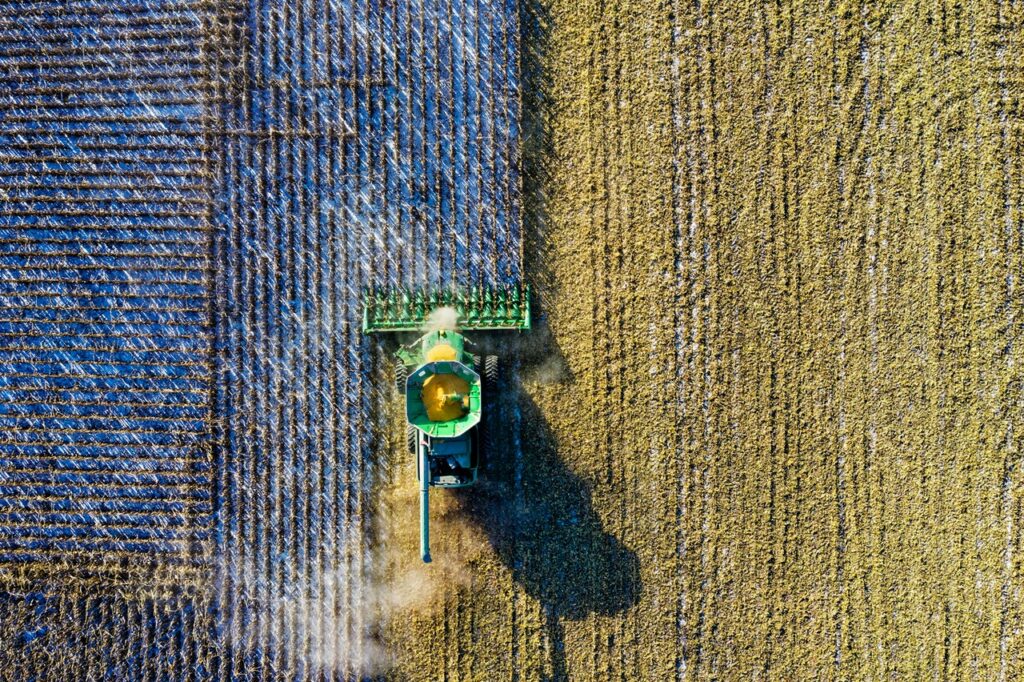
The first step in the process where food can be wasted is the storage step. Specifically, the cold storage and insulation methods employed can make or break the condition and safety of perishable foods.
Farmers work on tight margins and largely do not contribute to the bulk of our food waste concerns. Still, in the United States, millions of dollars in crops are wasted each year due to moisture exposure in poorly ventilated or unsound structures. Agricultural products are sensitive to the environmental conditions of food processing and storage centers.
One of the ways in which food storage can be improved is by bolstering the insulation and the physical protection of the produce itself. Specifically, proper refrigeration, a focus on passive ventilation, and proper sealing in building structures can protect perishable foods and be instrumental in preventing waste.
While inefficiencies are hard to completely eliminate, anything from machinery calibration to accidental cross-contamination can be part of the 5% waste most food manufacturers will tolerate as part of the production process. A stronger focus on reducing the most common inefficiencies can have a compounding impact on the amount of food that can be saved for safe consumption.
Another way to reduce food waste is to focus on lowering unproductive processes. This can be done by calibrating machinery properly, avoiding cross-contamination, and using stainless steel tubing, providing a hygienic and corrosion-resistant material in food processing and storage.
2. Improving Transportation and Distribution
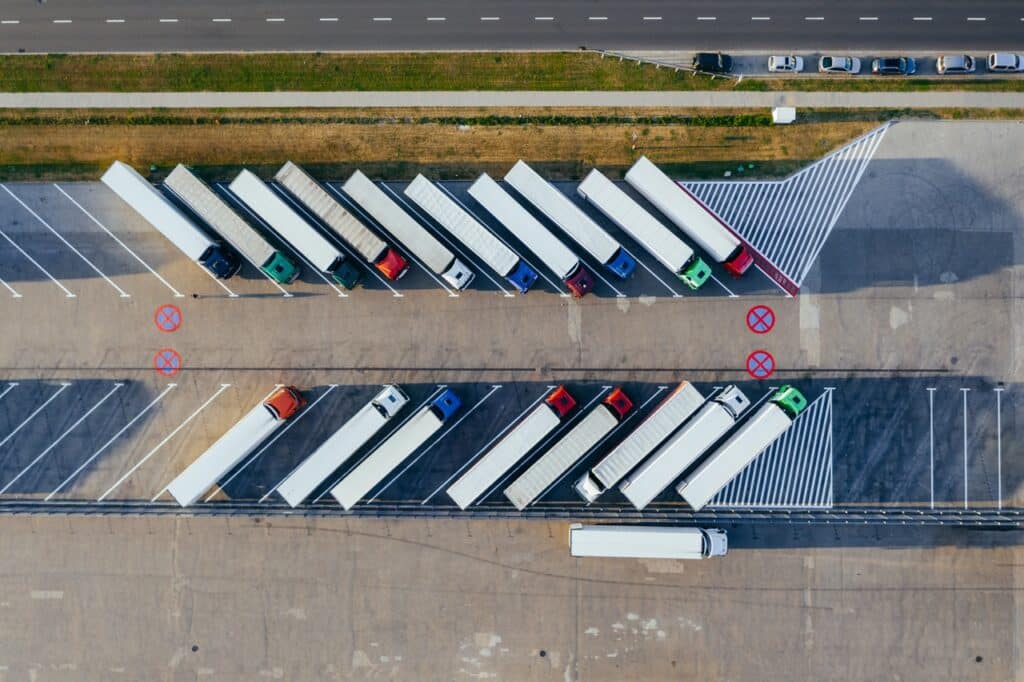
At the next stage of the food production cycle, waste occurs in the distribution and transportation process of perishable foods. Whether it’s produce, meat, or even dairy products, if the transportation and distribution process goes wrong, it can lead to products going bad, getting bruised, breaking, getting lost, or otherwise being compromised.
Distributors throughout the supply chain are not in the business of inefficiency, but prioritizing sustainability can still push new focuses on reducing food loss. New technologies can help drive better outcomes for the transport of perishable goods. Really, it’s all about being more careful and mindful throughout the transportation and distribution process, in addition to taking measures like insulation and refrigeration for products that need it.
At the consumer level, shopping for local products can also help mitigate this risk. This change in behavior both supports local agricultural initiatives and helps reduce the environmental costs of large-scale transportation networks, as food will cover less ground to arrive from the farm to a family’s table.
3. De-prioritizing Consumer Aesthetics

Next up in the chain is the retail and customer-facing part of the food manufacturing process.
A small part of the puzzle here is high standards for produce appearance. Even though so many of the fruits and vegetables that go to waste in grocery stores are completely usable and uncontaminated, many places simply disregard produce based on aesthetics alone.
However, that can lead to unnecessary waste. When retailers choose produce with a bit less discernment, less food goes to waste. There are even services that specialize in “ugly produce” that would otherwise go to waste.
Of course, at the end of the day, it’s consumer behavior that will drive changes. Even if grocery stores stock a wide variety of misshapen produce, will consumers really buy them? Learning to take full advantage of produce and reduce food waste at home will be key to widespread change, as we’ll get into in the next section.
5. Reducing Food Waste in Households
One of the other places food often goes to waste is in the homes of the people who buy and consume it. In developed countries, this is where most food waste begins to occur, far outshining inefficiencies in agriculture and production.
Education and emphasis on fully utilizing the food we have on hand will go a long way in reducing food waste in homes. Many households struggle to accurately predict how much food they will need in a week, overbuy perishables that then go to waste or forget about leftovers that ultimately need to be tossed. When individuals make efforts to change this behavior, it can make a collective impact on food waste.
Finally, when we are disposing of wasted food, leaning into sustainable methods for disposal can also make a difference. Composting organic matter to grow veggies at home or making a practice of turning vegetable scraps into broths and stocks are just a couple of ways to get creative with otherwise wasted food.
Making Food Processing More Sustainable
Food waste and making the food process more sustainable is an issue that concerns everybody — not just manufacturers and retailers.
By discarding waste responsibly, improving the quality of the steps in the process, and shopping more mindfully on the side of the consumers, the food processing industry can become a more sustainable place. Have you adopted any new sustainability efforts in your routine?


