
One of the most exciting new products in the world of orthopedic care is a sturdy hydrogel cartilage developed from cellulose fibers and polyvinyl alcohol. Cellulose is an abundant biopolymer found in wood and other plant tissues. When combined with polyvinyl alcohol, it forms a strong hydrogel that cushions movements. The cellulose-based fibers hold everything together, making the material more durable for prolonged use over time.
Real cartilage wears away over time since it is constantly used throughout life. As a result, joint discomfort and pain are common signs of aging cartilage. Scientists at Duke University have recently created a new hydrogel that’s more resilient and stronger than natural cartilage. As a result, the hydrogel may lead to knee implants that last longer.
Treatments for Damaged Cartilage
Healthy cartilage is crucial for cushioning joints, but alas, cartilage damage doesn’t regenerate itself efficiently after degradation caused by trauma or aging. Unfortunately, the only available treatments are typically painkillers, physical therapy, or total knee replacement surgery. However, a superior choice to resolve knee pain might be soon available thanks to the Duke team’s latest research.
Cartilage Replacement Materials
Hydrogels are soft and flexible materials researched as prospective cartilage replacements; however, most of them have been shown to be too fragile to sustain significant weight. The Duke team first developed a synthetic hydrogel in 2020 with mechanical properties comparable to genuine healthy cartilage; they have since improved upon it.
Strong Hydrogel Cartilage

The novel hydrogel is formed of cellulose fibers, which make it sturdy when stretched, and is mixed with polyvinyl alcohol to aid in its ability to snap back into shape. The team also changed the way it was made, annealing it like glass instead of freezing and thawing it like other hydrogels, which caused more crystals to develop in the polymer network.
The authors of the paper have an equity stake in Sparta Biomedical, which is developing the first synthetic cartilage implants. Benjamin Wiley, a chemistry professor at Duke and co-lead author of the paper, had this to say,
“This implant is intended for individuals with knee pain, but for whom the damaged area is not so extensive to need a total knee replacement”
“There is currently no good solution for this group of people.”
The natural cartilage in knees can withstand 5,800-8,500 pounds per square inch of pressure. The goal is to make hydrogel 26% stronger when pulled and 66% stronger when compressed.
The final product is a hydrogel with:
- A compressive strength (enduring pressure) of 98 MPa
- A tensile strength (enduring stretching) of 51 MPa.
The team claims the mechanical properties entail a 26% increase in tensile strength and a 66% increase in compressive strength over natural cartilage. Additionally, it has two times the compressive strength and five times the tensile strength of other frozen-thawed hydrogels.
Successful Experiments
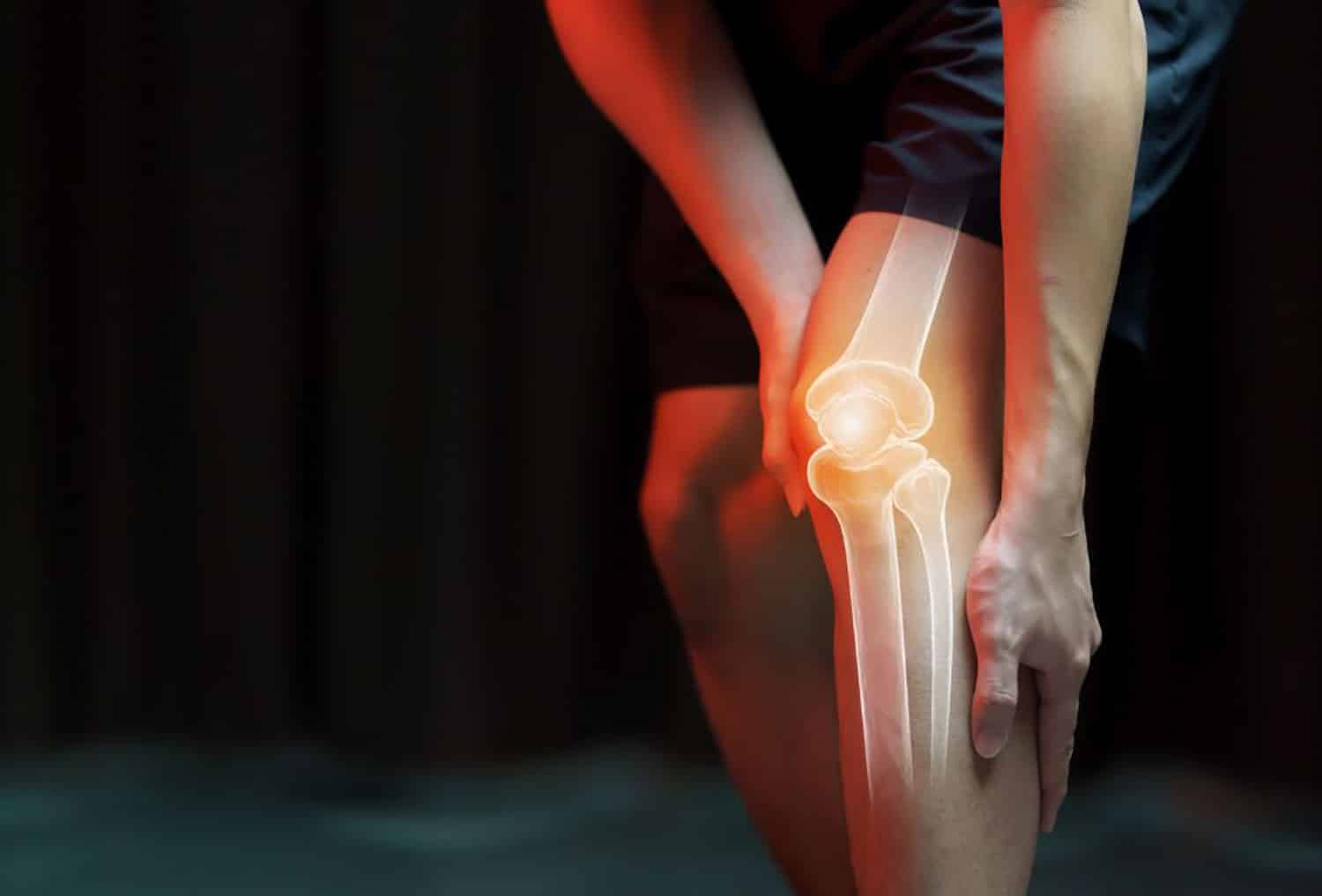
In experiments, the scientists used a machine to rub their synthetic cartilage against genuine cartilage a million times while applying pressure similar to the pressure on the knee when walking. Again, it was shown that artificial cartilage was three times more wear-resistant than actual cartilage.
The scientists also tested an implantable device to address the issue of hydrogels traditionally being challenging to anchor to the bone in a knee joint. The hydrogel is glued and fastened to a titanium base, which is then affixed to a hole by the injured cartilage. As a result, its shear strength was 2 MPa, 68% stronger than natural cartilage’s grip on bone.
Before surgical procedures can move forward, these knee joint implants are being tested in sheep, but the group claims that clinical trials with humans might begin as early as April 2023. The research was published on August 4, 2022, in the journal Advanced Functional Materials.


