
An intriguing study has revealed the existence of a unique gut-brain pathway that controls our desire for foods full of fats and sugars. According to research, cells in our gut detect fat in meals and can communicate with specific brain regions to encourage us to consume more. This discovery has far-reaching implications for understanding how diet affects our bodies.
History of the Gut-Brain Axis
Medical science has been striving to understand the complex connection between hunger and the brain. Hunger is a basic physiological need that drives people to seek food, but it also has a strong psychological component that makes it much more complex than just an empty stomach. Traditionally, researchers have focused on “metabolic or homeostatic hunger,” which is driven by physiological necessity.
New understandings of this connection truly started to take a turn for the better in the 1980s. Interestingly enough, new information reveals a disturbing trend; the kinds of food our society consumes causes a cascade of triggers telling the brain to continue eating without feeling satiated. A nearly unstoppable addiction to sugars and fats.

-
1980s: Scientists discover that hunger is largely regulated by the hypothalamus in the brain, which contains nerve cells that are sensitive to a suite of hormones.
- The hypothalamus, which detects hormones and stimulates hormone production, is a major regulator of this process. These chemicals work in harmony to control hunger and calorie intake. When people eat more calories than required for their needs, fat cells store the extra and release leptin, a hormone that signals the brain to reduce appetite and increase activity in order to burn off those calories. The hormones cholecystokinin and peptide YY, released by the stomach and intestines, have the effect of suppressing appetite. On the other hand, ghrelin, released during times of hunger or low blood glucose levels, causes one to feel hungrier.
-
1990s: Brain imaging reveals a second pathway of eating for pleasure, activated by the reward circuit.
- Involving many of the same hormones that regulate metabolic hunger, this pathway activates a different brain region known as the reward circuit. This same circuit is also responsible for addictive behaviors like drug use and gambling. Sweet and fatty foods activate this circuit just as drugs do, which was an evolutionary adaptation for survival in a world where high-calorie food was rare. But now, it works against us in a society with an abundance of high-calorie food. Research showed that the brain’s reward circuit is activated before food enters the mouth, with the release of dopamine-producing intense pleasure. Overconsumption of these foods can lead to desensitization in the brain, requiring more food to reach the same level of pleasure.
-
2007-2011: Studies at the University of Gothenburg show the relationship between ghrelin and the reward circuit.
- Studies in the 2000s showed that hunger hormones like ghrelin, made by the gut’s enteroendocrine cells, directly impact the brain’s reward circuit by increasing the release of dopamine. Preventing the binding of ghrelin to neurons with drugs has been found to reduce overeating in obese individuals. Leptin and insulin, hormones that suppress dopamine and reduce pleasure during a meal, cease to have an effect as body fat increases. Resulting in the brain’s dopamine levels staying elevated and the threshold for pleasure increasing, leading to continued overeating.
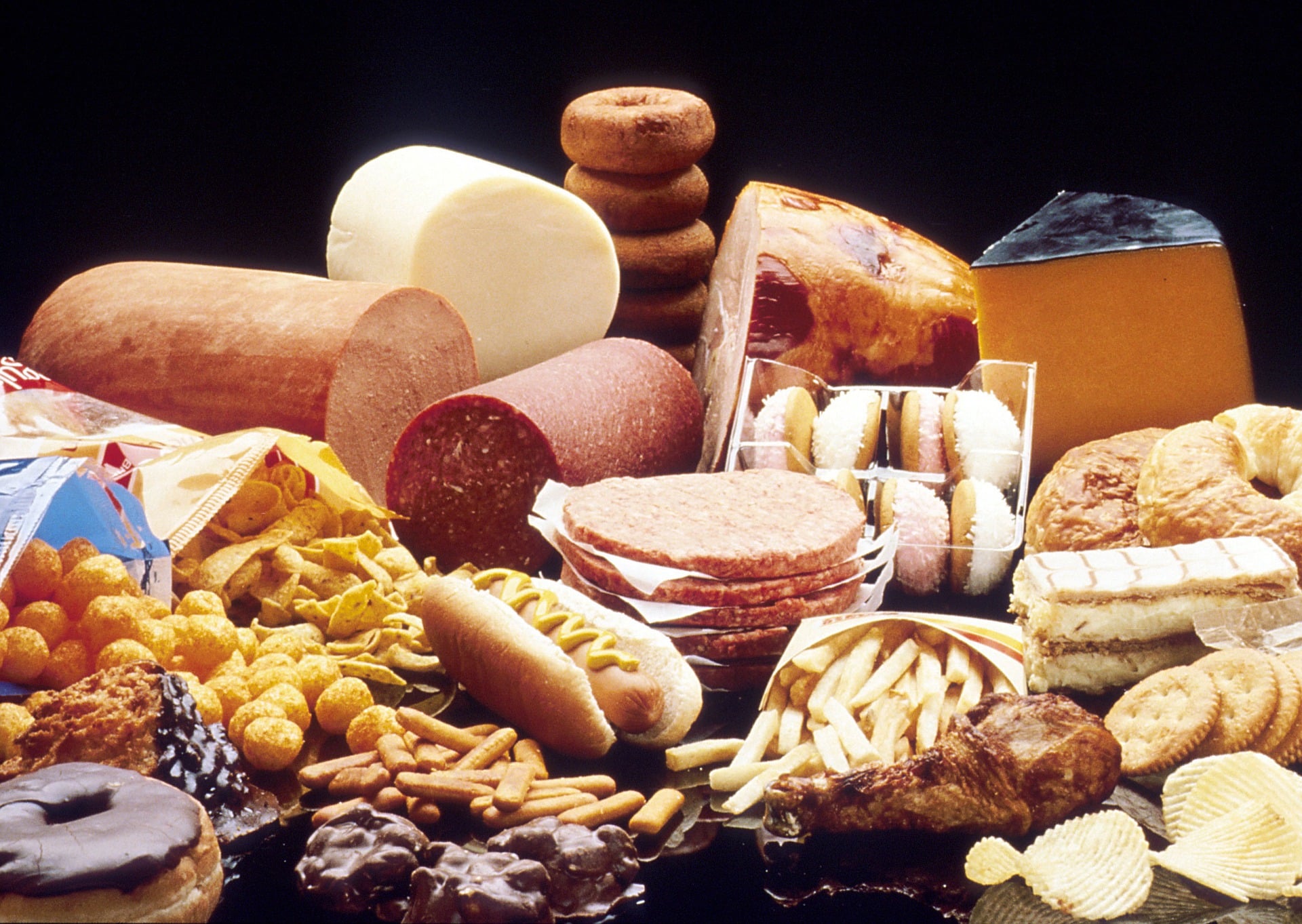
Humans Crave Sugars and Fats in Foods
Humans’ ingrained desire for high-calorie, fatty foods stems from evolution. Our bodies are designed to urge us to overeat when we are given a chance to indulge in a heavy meal – to prevent starvation.
When we consume fats and sugars, various mechanisms come into play, from gut hormones controlling satisfaction to taste receptors activating dopamine-fueled pleasure. However, in today’s day and age of limitless access to food, these animalistic urges frequently lead to metabolic disorders and obesity.
Mengtong Li, the study’s first author, said:
“We live in unprecedented times, where the overconsumption of fats and sugars is causing an epidemic of obesity and metabolic disorders. If we want to control our insatiable desire for fat, science shows us that the key conduit driving these cravings is a connection between the gut and the brain.”
Pathway Between Gut and Brain
A seminal study published two years ago showed that the gut and brain had a direct communication pathway that allowed the stomach to inform the brain when sugar was in the intestine. Furthermore, this signaling pathway excelled any mouth-to-brain transmission of sweetness, indicating that our intestines may have more direct control over what we eat than previously believed. This new study builds on those earlier findings to investigate if the gut and brain have comparable pathways that convey reactions to fatty foods.
After genetically altering mice to lose their capacity to transmit taste signals from the tongue to the brain and conditioning the animals to prefer water with additional fat, the researchers focused on a region of the brainstem that appeared to be firing up in reaction to fat. This brainstem region, known as the caudal nucleus of the solitary tract (cNST), was found to have active neurons.

The Vagus Nerve
The vagus nerve is a critical link between the central nervous system (CNS) and the enteric nervous system (ENS). It serves as a two-way communication channel for monitoring physiological homeostasis, enabling the coordination of emotions, cognitive functions, and intestinal activities. This gut-brain axis contains the brain, spinal cord, autonomic nervous system, and hypothalamic-pituitary-adrenal (HPA) axis. Through this pathway, approximately 10-20% of fibers are transported “down” from the brain to the gut through efferent fibers, with about 80–90% of all fibers encircling up from the intestinal wall to the brain via afferent nerve endings.
Concerning what happened to rats in the study, the researchers discovered vagal neuron responses. After following the neural communication channels, it was clear the vagus nerve was delivering messages to the cNST. This was the first indication that the gut might directly communicate with the brain about fat since the vagus nerve serves as the primary conduit for information between the two organs.
The next stage was to focus on the gut and determine how it was informing the vagus nerve about fat. Here, the team found two collections of cells lining the intestines that seemed to communicate with vagal neurons when fat entered the gut. “One group of cells functions as a general sensor of essential nutrients, responding not only to fat but also to sugars and amino acids. The other group responds to only fat, potentially helping the brain distinguish fats from other substances in the gut,” explained Li.

Successful Experiments
So, the vagus nerve connected the gut-brain axis loop, but how effectively did it regulate the animals’ desire for fat? The researchers tested this by blocking the vagus nerve’s ability to receive signals from these intestinal cells using a medication.
And sure enough, the mice stopped craving fat when the pathway was closed. The researchers also disrupted communication from the vagus nerve to the cNST and suppressed neuron activity in the CNST to further demonstrate the significance of this communication pathway. Again, the rats in both experiments lost their desire for fat.
“These interventions verified that each of these biological steps from the gut to the brain is critical for an animal’s response to fat. These experiments also provide novel strategies for changing the brain’s response to fat and possibly behavior toward food,” added Li.
Anti-Obesity Potential
According to Charles Zuker, a scientist at Columbia University involved in this study and the 2020 sugar study, the finding of this novel gut-brain connection presents an opportunity to create anti-obesity treatments that effectively block this signaling mechanism. In addition, this suggests a novel approach to preventing the body from overindulging in fatty foods rather than attempting to control appetite hormones or alter how our brains process pleasure from food.
Zuker said:
“Our research shows that the tongue tells our brain what we like, such as things that taste sweet, salty or fatty. The gut, however, tells our brain what we want and need.”
The new study was published on September 07, 2022, in the journal Nature.

Possible Ways The Research Can Guide Us
Our gut contains microbiota that are symbiotic with our body, assisting in breaking down foods into many different compounds that our body uses. The gut is lined with enteroendocrine cells, which uptake from the gut microflora and release hormones into the body to be taken up by the bloodstream or to activate the vagus nerve. Depending on our diet, our microflora may have an imbalance of microbiota that our body would need to function in a perfectly healthy manner.
This means that what you are eating then directly affects the production of hormones in the human body. Stress responses, immune responses, cell metabolism, and more are all regulated by these processes. Using this new knowledge, we can now ask how this preference for fats and sugars in the gastrointestinal tract affects our bodies beyond obesity and into disease.
Depression
Numerous studies have shown that changes in the gut microbiome can impact behavior and mood. Specifically, a reduction in the abundance and diversity of beneficial bacteria like Bifidobacterium and Lactobacillus has been associated with depressive symptoms. There’s a chance that some people suffering from major depression or treatment-resistant depression may find therapeutic benefits in regulating the amount of fats or sugars they intake.
Research has found that the gut microbiome can affect the production of neurotransmitters, such as serotonin and gamma-aminobutyric acid (GABA), that are involved in regulating mood. Additionally, inflammation, which can be influenced by the gut microbiome, has been implicated in the development and persistence of depressive symptoms.
Several interventions aimed at modifying the gut microbiome have been explored as potential treatments for depression, including probiotics and prebiotics, dietary changes, and fecal microbiota transplantation. While more research is needed to fully understand the link between the microbiome and depression, these findings suggest that targeting the gut microbiome may be a promising approach for the prevention and treatment of depression.
Disease
While the microbiome is typically considered beneficial, imbalances or disruptions in its composition have been linked to a variety of diseases.
One example of a disease that has been linked to the gut microbiome is inflammatory bowel disease (IBD), a group of conditions characterized by chronic inflammation in the digestive tract. Studies have found that individuals with IBD have an altered gut microbiome compared to healthy individuals, with decreases in the abundance of certain beneficial bacteria and increases in potentially harmful bacteria.
Similarly, the gut microbiome has been implicated in the development of colorectal cancer, with some studies suggesting that certain bacterial species may promote the growth of cancer cells in the colon. Other diseases that have been linked to the gut microbiome include obesity, type 2 diabetes, and cardiovascular disease.
Research has also identified potential mechanisms through which the gut microbiome may contribute to disease. For example, imbalances in the gut microbiome can lead to dysregulation of the immune system, which can contribute to the development of inflammatory diseases such as IBD. Additionally, alterations in the gut microbiome can affect the metabolism of nutrients, leading to conditions such as obesity and type 2 diabetes.
While the exact role of the gut microbiome in disease is still being elucidated, these findings suggest that maintaining a healthy gut microbiome may be an important factor in preventing and treating various diseases. Strategies for promoting a healthy gut microbiome include a diet rich in fiber and fermented foods, probiotic and prebiotic supplements, and avoiding the use of antibiotics unless medically necessary.
Conclusion
This discovery has far-reaching implications for understanding how diets affect our bodies. With the rise of metabolic disorders and obesity due to overconsumption of fats and sugars, understanding the gut-brain axis is crucial to develop effective strategies to control our insatiable desire for fat.
There is still another question to ask; will these discoveries change our preference for food?


