
Poor air quality is linked to disease
There is a known fact that the quality of air inside our spaces can be 2 to 5 times worse than outdoors. On average, humans spend 90+% of their time inside. It is a very worrisome statistic, knowing the fact that there are at least 1.6 million deaths every year, all related to indoor air quality complications. This may look pale, especially if you compare it to the number of deaths caused by outdoor air pollution, which is 3.4 million. Now, in most places, imminent death is not the case, but the risk of serious health effects and numerous diseases is inevitable.
Air quality is also linked to productivity and revenue loss
In a recent study conducted by Harward, the subjects who were placed in an enhanced green environment had a 100% higher score on cognitive tests compared to those in an environment that was poor. In another additional study by Harvard, the researchers divided workers into two closed spaces: one polluted and the other with clean air. The results were astonishing. They saw a 10% increase in productivity from the workers in the clean indoor air, which was quantified as a $6500 gain in productivity per employee.
Also, employee absenteeism has seen a 30% increase where the indoor air quality is poor in the workplace. This does not only mean that workers will be taking more sick days due to air quality but also the loss in productivity, which equates to a $1.8 million loss for a company that has at least 1000 employees.
How to improve air quality for healthier, more productive spaces
1. Gather Data on the Air: With a naked eye, it is almost impossible to tell whether your air quality is contaminated or safe. To fix this, you can use indoor air quality monitoring so you can track any indoor air pollution, like dust or organic compounds, carbon dioxide, and more. These types of gases are a serious risk for human health. Understanding what a CO2 reading actually tells you is worth doing properly, and we cover the limits in our guide to indoor CO2 levels.
2. Control Pollutant Sources: This involves trying to eliminate indoor pollutants at their source. Regular activities could create pollution, for example, painting, foot traffic, and machine operation. That aside, significant indoor contaminations occur with chemical leaks or filter blowouts and other similar anomalies. If the source of pollution can be identified and later removed, you have to remove it from the premises. In case this is not feasible, you have to take the necessary precautions to seal these sources and store them far away from people.
3. Improve Ventilation: It may seem like the most obvious one, but it is also one of the most underrated ones. It is a very simple way to improve your indoor air quality just by bringing more fresh air from outside into your building. It is worth mentioning that besides increasing your ventilation to flush the contaminated air, your energy consumption could also be higher. This is why air quality monitoring is imperative. Some spaces, like production facilities or gyms, will require extra ventilation, but most of the spaces will not. The only way to know whether you need extra ventilation is by having the right data.

4. Keep Track of Filters: Your HVAC system filters have a very important impact on your air quality. To significantly reduce pollution, you have to make sure that you have a high MERV rating for your air handling unit system. These types of filters can be warranted with healthcare facilities for increased filtration efficiency.
5. Make Sure Spaces Are Clean: Random stuff in your home, such as carpets, furniture, and upholstery, can trap pollutants from indoor air. By using a vacuum that contains a HEPA filter, you could make a big difference. You can significantly decrease your pollutant levels through regular maintenance of your indoor pollution levels.
6. Monitor Humidity Closely: High temperatures and moisture can easily create a breeding ground for biological pollutants and contaminants. To avoid costly situations like mold growth, you should always monitor your humidity.
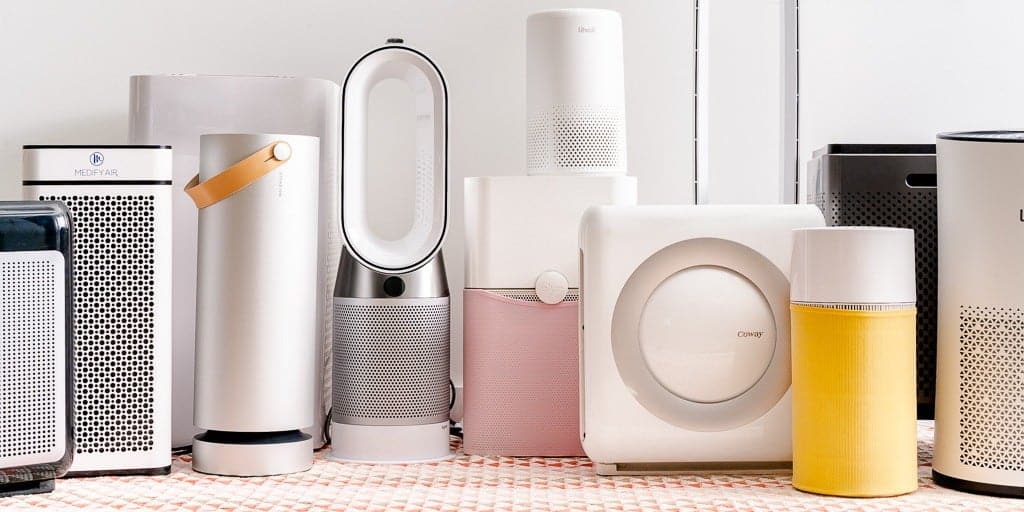
7. Use Air Purifiers: On the market, there are many air purifiers that claim to clean your indoor air, but they vary. High-end products always have a higher capability of particulate removal than other devices. In addition, a lot of these air purifiers are not designed to clean air from gaseous pollutants; some more sensitive people might not find them very effective on their own.
8. Don’t Get “Tested”: It hardly ever results in significant improvements, but indoor air quality testing is a great way to get more information and the state of your situation. It’s true that you will be receiving raw data related to your air quality, but after that, you won’t have a clear path forward. However, I will admit that monitoring continuously will allow you to analyze trends over time and make informed decisions.
9. Consult Experts: Bringing some help might be the right choice if you are very serious about providing clean air for both occupant experience and operational efficiency. You should get guidance navigating industry guidelines, implementing new technologies, or starting a new project in order to get the most out of your initiative.
Consulting with heating experts, HVAC designers, and indoor air quality specialists is highly recommended. They will be able to give you the best advice and help you create a plan that works for your specific situation. can make a big impact.
10. Seek Improvement: Proper indoor air quality management provides a lot of benefits to occupants’ health, performance, and comfort, which is well documented. Optimizing your indoor environment will lead to cost savings on filter maintenance, energy expenditure, and complaint management.


