
Are you considering redoing your roof? Perhaps it’s due to old age or extensive damage, but either way, it’s not a simple task. From selecting the right materials to hiring a reputable contractor, there are many factors to consider when undertaking such a significant project.
One of the biggest concerns for homeowners is ensuring that their new roof will be leak-free and provide proper protection for their homes. Here, we’ll share insider tips from roofing experts on achieving a leak-free roof and avoiding common pitfalls during the remodeling process. So, if you’re ready to give your home’s top cover an upgrade without any unwanted leaks, keep reading!
Choose a Trustworthy Contractor
When it comes down to selecting a roofing contractor, take the time to research and choose a trustworthy professional that will save you from headaches and costly repairs down the road.
As a homeowner in Edmonton, the harsh weather conditions make it imperative to hire a contractor with a strong track record of quality craft and reliability. Fortunately, there are many roofing professionals in Edmonton who offer top-notch services and can be trusted to deliver a leak-free roof.
Don’t be afraid to ask for references, review their online portfolio, and check for certifications and insurance — doing so will ensure that your roofing project is in good hands.
Choose the Right Materials
The selection of roofing materials ensures a durable and leak-free roof. Homeowners should consider factors like longevity, weather resistance, and aesthetic appeal in their choice. Asphalt shingles are popular for their affordability and variety, while metal roofing is prized for its durability and energy efficiency.
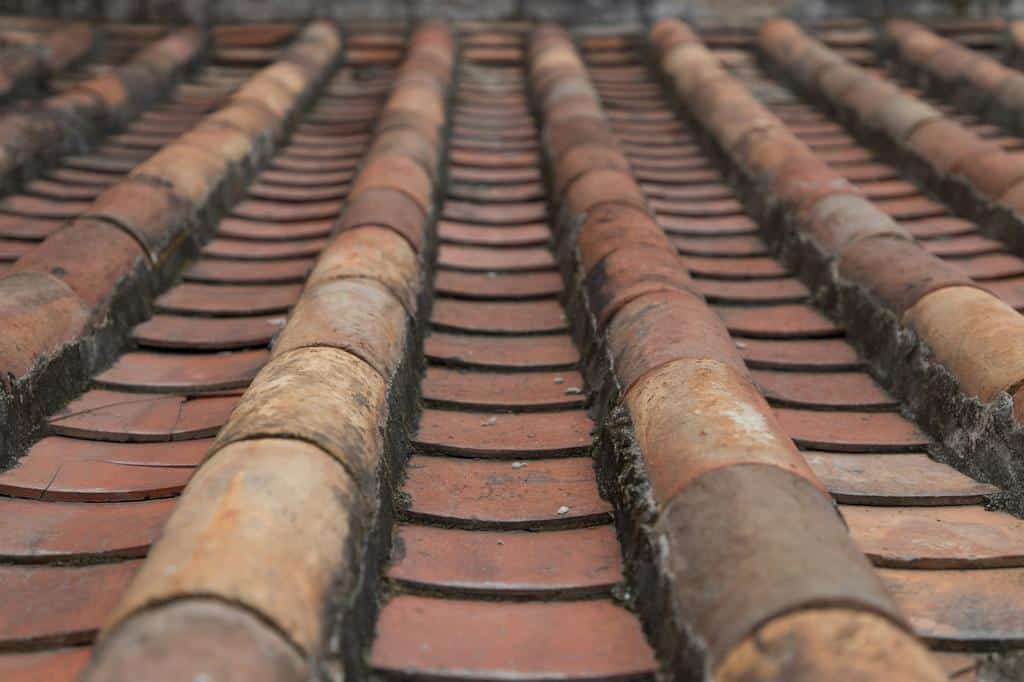
Meanwhile, clay and concrete tiles offer a unique look and excellent weather resistance. However, due to their weight, they may require additional structural support. Consulting with your contractor about the best materials for your specific climate and home style is essential in making an informed decision.
Focus on Flashing and Ventilation
Flashing, the metal strips that seal joints and prevent water from entering your home, is a crucial component in ensuring a leak-free roof. Make sure your contractor uses high-quality flashing materials and does not skimp on this part of the installation process.
Proper ventilation is equally important as it helps to regulate temperature and moisture levels in your attic, preventing condensation and mold growth. Your contractor should assess your home’s ventilation needs and appropriately install vents to maintain a healthy, leak-free roof.
Regular Maintenance and Inspections
For optimal performance, homeowners should schedule professional inspections at least once a year and after major weather events to promptly identify and address any potential issues. It’s also essential to keep gutters clean and free of debris, as clogged gutters can lead to water accumulation and roof damage.
Paying attention to the state of your shingles, flashing, and ventilation can catch minor problems before they escalate into more extensive, costlier repairs. Adopting a proactive approach to roof maintenance safeguards your home against leaks. It contributes to the overall integrity and performance of your roofing system.
Don’t Skip on Underlayment
Serving as a secondary barrier against water intrusion, the right underlayment material offers an extra layer of protection beneath your shingles and significantly extends the life of your roof. It acts as a critical shield during harsh weather conditions, particularly in climates prone to heavy rain or snow.
Homeowners should consult with their contractors to choose an underlayment that best suits the roofing materials used and the environmental demands of their region. Though seemingly insignificant, underlayment keeps your roof free of leaks and ensures the longevity of your home.
Consider the Slope
The slope of your roof is another vital factor that impacts its ability to remain leak-free. Roofs with the appropriate slope can effectively channel water away, preventing any unnecessary accumulation that could lead to leaks and structural damage.
A steep slope may be ideal for regions prone to heavy snowfall, ensuring snow slides off rather than builds up. On the other hand, areas with high winds might benefit from a less steep slope, reducing wind resistance.
Consult with your roofing contractor to determine the ideal slope for your home, considering both aesthetic preferences and functional requirements. Something as simple as the slope of your roof is what stands between a dry, leak-free home and a costly, water-damaged one.
Seal and Inspect Penetrations
Roof penetrations, such as vents, skylights, and chimneys, are necessary for any roofing system. Unfortunately, they can also be a common source of leaks. To ensure your roof stays watertight, ensure these penetrations are well-sealed and regularly inspected.
Proper sealing involves using the appropriate materials for your roof’s unique needs and paying close attention to any gaps or potential weak spots. In addition, regular inspections can catch any problems early on before they turn into costly repairs. By inspecting and sealing your roof’s penetrations, you can ensure your home stays dry and comfortable, no matter the weather.
Understand Your Warranty
Many homeowners overlook the details of their roofing warranty, missing out on valuable coverage. A comprehensive warranty should cover both materials and craft — this means if there’s a failure due to either faulty materials or installation errors, you won’t be left footing the bill for repairs or replacement.
Make sure you discuss warranty options with your contractor, understand the length of coverage, and know exactly what’s included. Keep all warranty documents in a safe place, and don’t hesitate to ask your contractor to clarify any points you find confusing. An informed decision about your warranty safeguards your investment in your roof and gives you peace of mind.
A leak-free roof over your head does much more than just protect you from the elements; it provides peace of mind and ensures the longevity of your home. Armed with these tips, you can significantly reduce the risk of leaks. Remember to consider factors like roof slope and the sealing of roof penetrations carefully, and always be clear on the terms of your roofing warranty. Now, go forth and redo your roof with confidence!

