
In the world of home improvement, few spaces hold as much untapped potential as the garage. Often relegated to little more than storage for cars and clutter, it is frequently the last area homeowners consider for an upgrade. This oversight represents a missed opportunity, as the garage can be transformed from a thermally inefficient utility space into a comfortable, versatile, and valuable extension of the home.
The key to unlocking this potential lies in a single, strategic investment: proper insulation. By creating a thermal barrier against the elements, insulation does more than just regulate temperature; it lays the foundation for significant energy savings, enhanced year-round comfort, and a quieter, more functional living environment. This guide explores the multifaceted benefits of insulating your garage, revealing how this essential upgrade can elevate your home’s efficiency, value, and overall appeal.
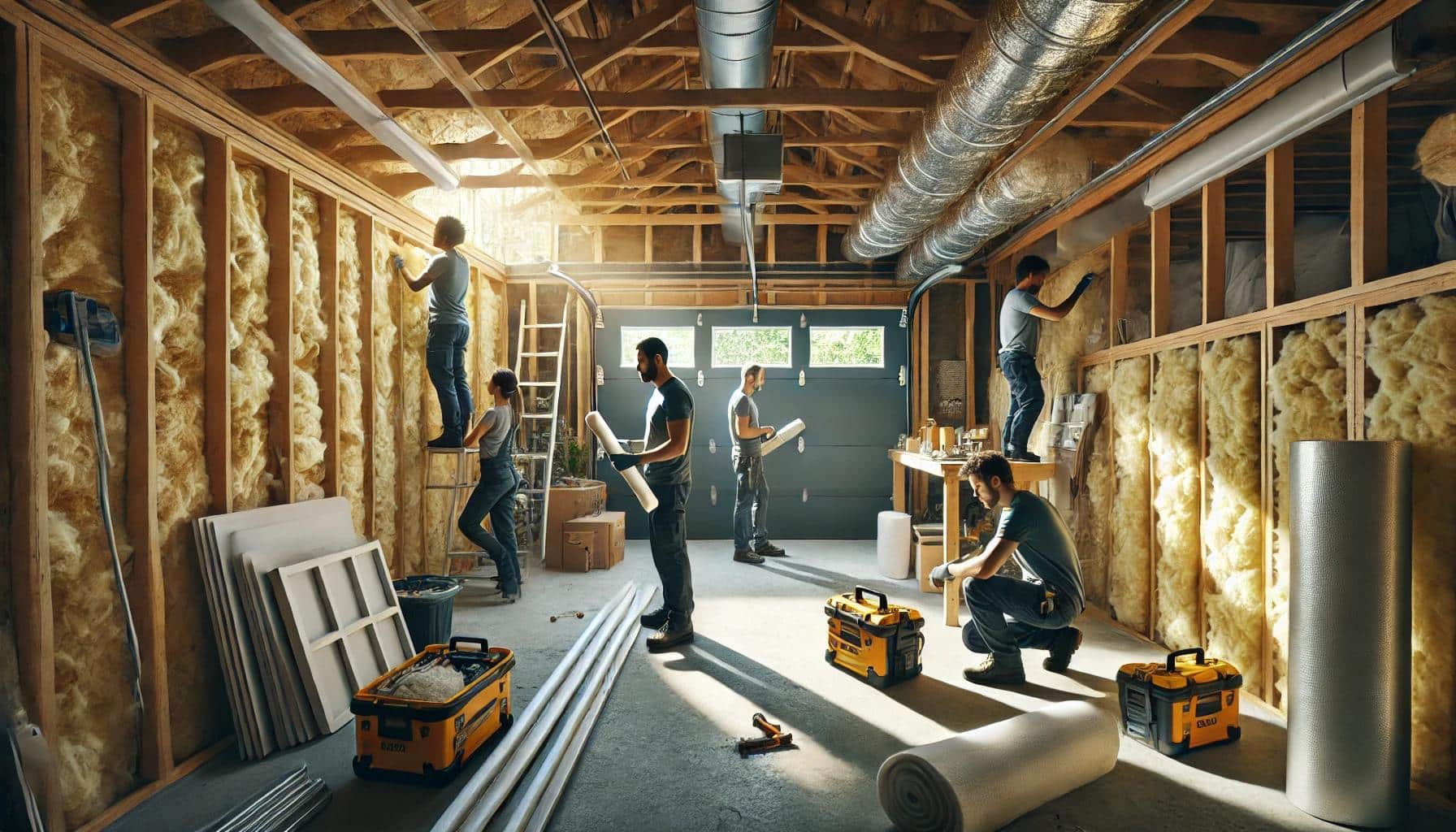
Energy Efficiency and Cost Savings
Insulating your garage delivers a significant increase in energy efficiency. Proper insulation helps reduce the amount of heat that escapes during the winter and prevents it from entering during the summer months. A well-insulated garage can save homeowners between 10% and 30% on their energy bills each year. These savings can significantly impact your household expenses if the garage is attached to your home and shares walls with living areas.
A reduced workload not only prolongs the lifespan of your HVAC equipment but also shrinks your carbon footprint, aligning with modern eco-friendly and sustainable living practices.
Protection of Belongings
Garages often serve as storage spaces for various belongings, from seasonal decorations to tools and sporting equipment. Insulation plays a pivotal role in protecting these items from extreme temperatures and moisture.
Without sufficient insulation, the garage can become too hot or too cold, potentially damaging sensitive items such as electronics, wood furniture, and valuable collectibles. Insulation helps control humidity levels in the garage. Excess moisture can lead to mold growth and material degradation.
In maintaining a stable environment, insulation keeps your possessions safe and extends their lifespan. For homeowners who value their belongings, insulating the garage is a critical step in proactive home maintenance.
Enhanced Comfort for Year-Round Use
Insulating your garage transforms it into a comfortable space for various activities year-round. Whether you’re using it as a workshop, workout space, or just a place to hang out, adequately insulated garages provide a more pleasant atmosphere. With fluctuating outdoor temperatures no longer a concern, families can enjoy time in their garage without the discomfort of extreme heat or cold.
An insulated garage can be a wonderful area to pursue hobbies. DIY enthusiasts, artists, and even mechanics can work on their projects, without worrying about the weather. This consistent climate control enhances productivity, allowing you to focus on your tasks. Thus, insulating your garage opens new opportunities for creative and practical uses.

Garage Noise Reduction
Insulation not only regulates temperature but also acts as an effective sound barrier. If you have noisy tools or equipment that you frequently use in the garage, insulation helps keep that noise contained.
This is particularly important in shared living environments, where excessive noise can disrupt the peace. An insulated garage allows you to operate power tools and machinery without disturbing family members or neighbors. This acoustic absorption benefits those who use the garage as a workspace or leisure area. By minimizing unwanted sounds, you create a more serene environment, making it easier to concentrate on tasks or relax during downtime.
Ensuring Maximum Performance with Professional Installation
While many homeowners attempt DIY projects, achieving the best results often requires expertise. Exploring various garage insulation methods, such as spray foam, fiberglass batts, or foam board, can feel overwhelming without proper knowledge of their advantages and limitations. This is where contacting leaders in residential home improvement becomes invaluable.
Professionals recommend the most suitable insulation for your specific garage layout and climate and ensure correct installation, which maximizes efficiency and durability. Relying on expert input provides you with peace of mind, ensuring the proper execution and longevity of your investment.
Increased Property Value
Potential buyers are looking for homes with energy-efficient features and comfortable living spaces. An insulated garage can be an attractive selling point, increasing your property’s value and appeal. Homebuyers appreciate the thoughtfulness of a well-insulated garage, particularly if they understand the long-term benefits associated with energy savings and comfort.
When it comes time to sell your home, showcasing the insulated garage can set your property apart from others on the market. It signifies that you have invested in your home and taken steps to improve its functionality and comfort. In essence, insulating your garage is not just a protective measure. It’s a valuable investment in your property’s future.

Selecting The Best Insulation Material for Your Garage
Several insulation materials are available, each offering distinct benefits based on cost, effectiveness, and ease of installation:
- Fiberglass batts: A popular choice due to their effectiveness and affordability.
- Foam board insulation: Offers superior thermal resistance and moisture protection.
- Spray foam insulation: Known for its ability to fill gaps and create an airtight seal, maximizing energy efficiency.
When selecting insulation, consider factors such as R-value, climate, and application. The R-value indicates the insulation’s resistance to heat flow. The higher the R-value, the better the insulation’s performance. A careful selection of the right insulation material is the final step to ensuring optimal comfort and maximum energy savings for the garage.
Improved Safety and Air Quality
An often-overlooked benefit of garage insulation is its contribution to indoor air quality and household safety. Without proper insulation, fumes from vehicles, chemicals, or paints stored in the garage can more easily seep into adjacent living areas. Insulation, combined with proper sealing, creates a barrier that limits the transfer of these potentially harmful substances.
This protection creates a healthier home environment, which is particularly important for families with children, pets, or individuals with respiratory sensitivities. By controlling air leakage, you improve comfort and safeguard your household from unseen pollutants.

Transforming Your Garage into A High-Value Asset
Insulating your garage is a strategic upgrade that delivers returns far beyond simple temperature control. It transforms an underutilized area into a versatile, comfortable, and efficient extension of your home. This single improvement works to lower energy bills, protect valuable belongings from damage, reduce noise pollution, and enhance overall household safety and air quality.
Ultimately, this project represents a significant investment in your property’s long-term value and appeal. By choosing the right materials and ensuring professional installation, you create a functional space that supports your lifestyle year-round, making it a powerful selling point and a source of daily comfort.
Frequently Asked Questions About Garage Insulation
Can Garage Insulation be a DIY Project?
While some experienced homeowners can install fiberglass batts or foam boards, achieving a truly effective air seal to maximize the R-value is a technical task. For materials like spray foam, professional installation is non-negotiable to ensure safety, proper curing, and optimal performance, preventing costly issues like moisture gaps.
What R-Value Is Best for a Garage?
The ideal R-value depends on your climate and whether the garage is attached or detached. For attached garages in moderate climates, R-13 to R-15 is often sufficient for walls. In colder regions, a higher R-value of R-19 or more may be necessary to provide an effective thermal barrier and achieve significant energy savings.
Is Insulating the Garage Door Necessary?
Yes, insulating the garage door is critical. An uninsulated door represents a significant source of thermal loss, which can compromise the effectiveness of wall and ceiling insulation. Most manufacturers offer compatible insulation kits, making the garage door an essential final step to complete the garage’s thermal envelope.

