
Madagascar is the oldest island on the planet, the fourth-largest, and has some of the greatest biodiversity in the world. Between 2001 and 2018, the island lost about one-fifth of its tree cover. According to Global Forest Watch, this agricultural loss is primarily driven by slash-and-burn, known locally as tavy, which is a farming method that involves cutting the plants and burning them to create a space of land.
This unfortunate destruction of Madagascar’s beautiful forests could lead to the death of thousands of its rare and precious species. Of the estimated 200,000 species found on the island, about 150,000 are endemic, meaning they exist nowhere else in the world. Some of the island’s endemic species include over 50 types of lemurs, 99% of its frog species, and 36 kinds of birds. Madagascar has 100% of the world’s lemurs, 50% of its chameleon species, and 6% of its frogs.

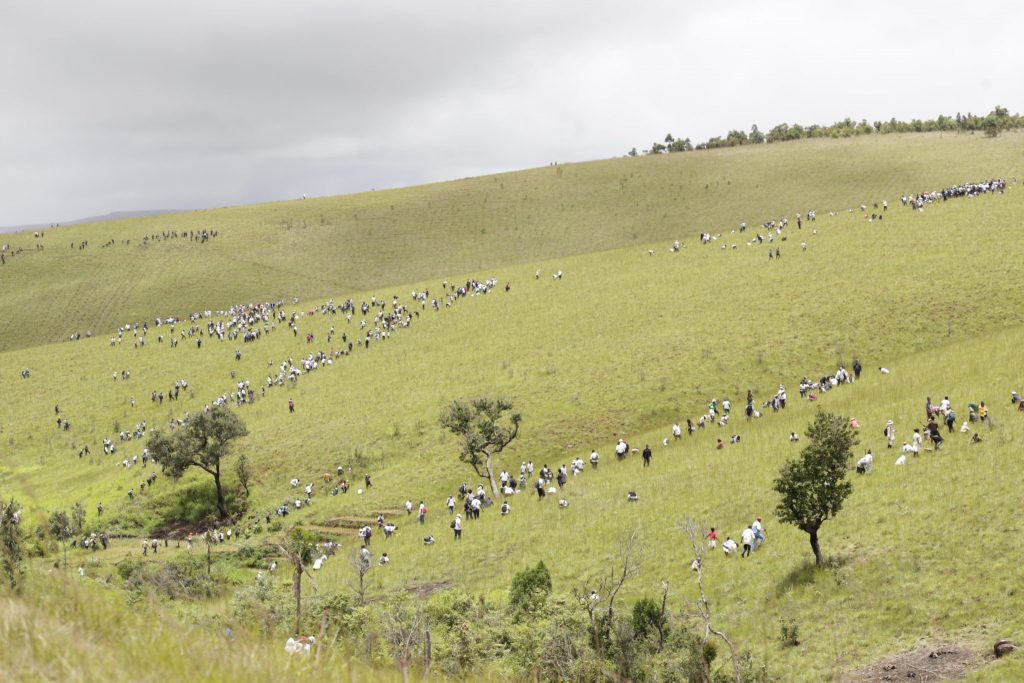
Thankfully, Madagascar has launched its most ambitious tree-planting drive yet, intending to plant 60 million trees in the coming months. On January 19, 2020, at the launch of the tree-planting campaign in Ankazobe district, the president of Madagascar, Andry Rajoelina, promised to restore the island’s lost forests.
Rajoelina said, “The government has the challenge of making Madagascar a green island again. I encourage the people to protect the environment and reforest for the benefit of the future generations.”
Hundreds of people attended the launch, including NGOs, government ministries, schools, and the army. Within a few hours, nearly 1 million trees and seeds were planted across 1,235 acres of land. However, the real challenge to reclaim the forest will come after the saplings are in the ground.
The Tree Planting Drive
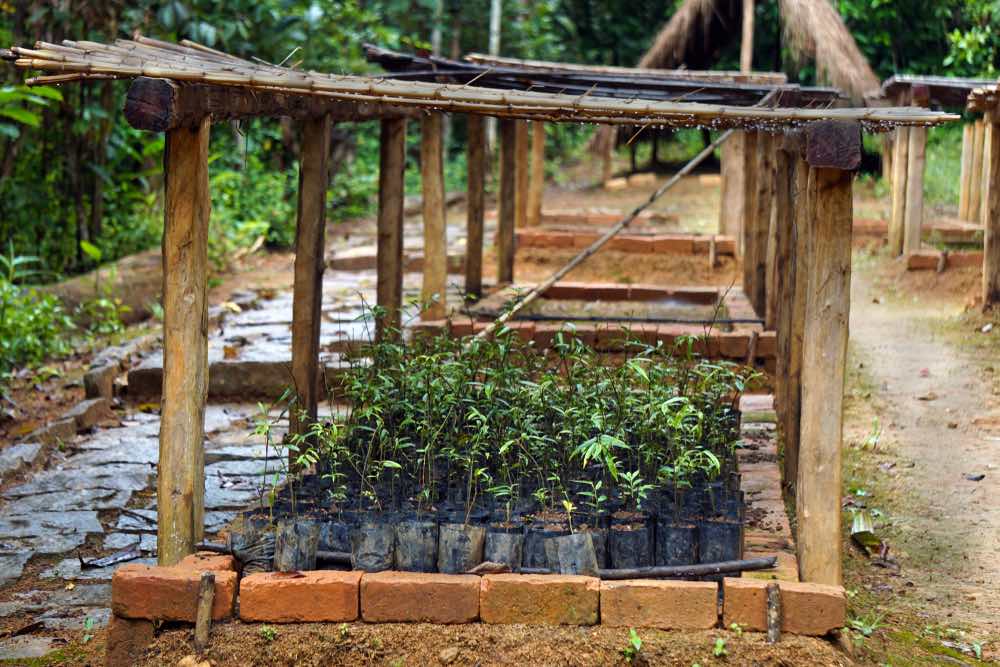
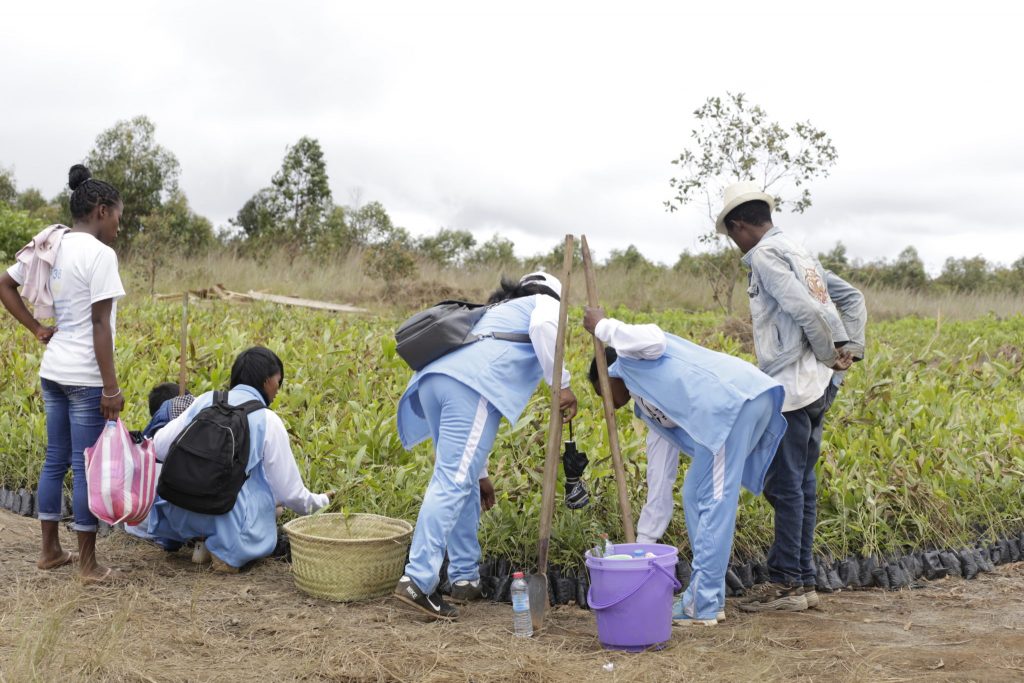
Roughly 20,000 seedlings were transported by truck to the Ankazobe site, where they were gathered in nurseries for the launch event. The types of seedlings available at the nurseries made it clear that the government is trying to have a balance between planting agroforestry species and native species. Some of the species included eucalyptus, exotic acacia, fruit trees, and several spice trees.
At the launch event, balls of soil containing 25 seeds per ball were dropped from an airplane across 500 hectares of land; in total, about 5 tons of seeds were dropped. According to the Ministry of Environment, this method saves money on plastic bags that hold seedlings before transplanting. The success rate of how many seeds survive and germinate by using this method is around 60%.
Securing the Young Trees
Jonah Ratsimbazafy, a prominent Malagasy primatologist, worried, “Right now, we are at the stage of planting trees, but the big question is: What is next? How to protect those young trees, so we don’t plant them in January and then destroy them in July.”
Across 99,000 acres, the Rajoelina administration wants 60 million seedlings to be planted within this planting season, which runs until April. However, experts believe it would be a difficult task for Madagascar since nearly 80% of the population has no access to grid electricity, and cutting trees to make charcoal for cooking is a common practice.
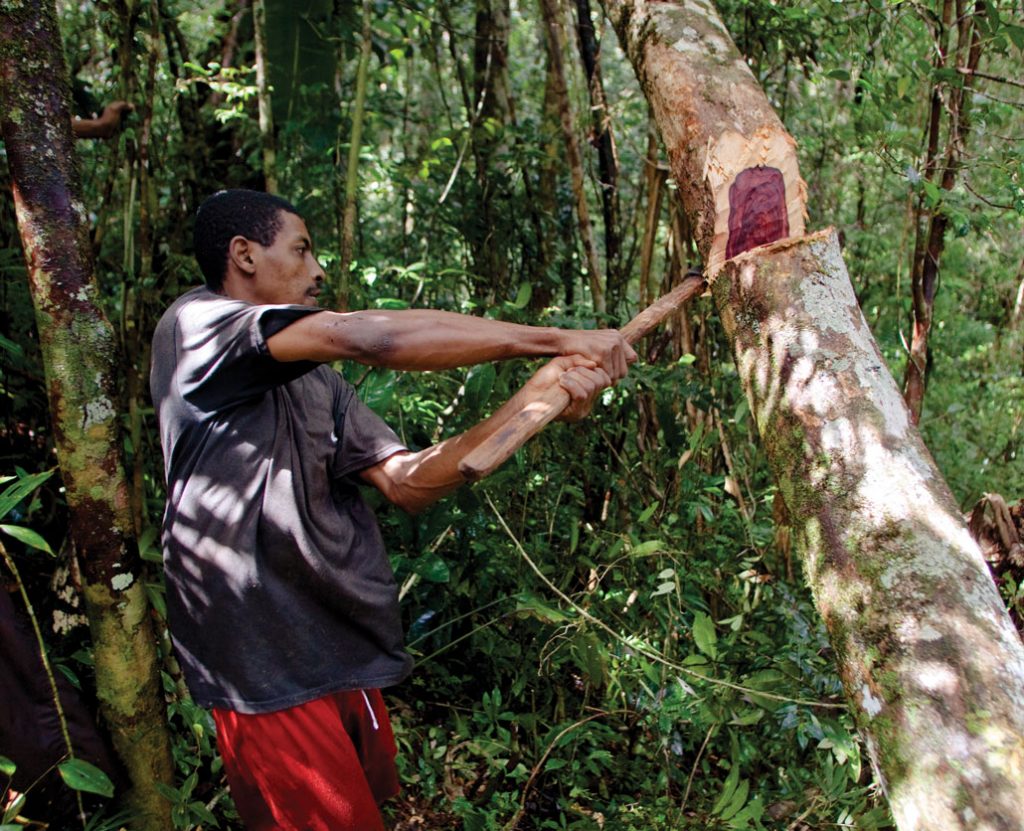
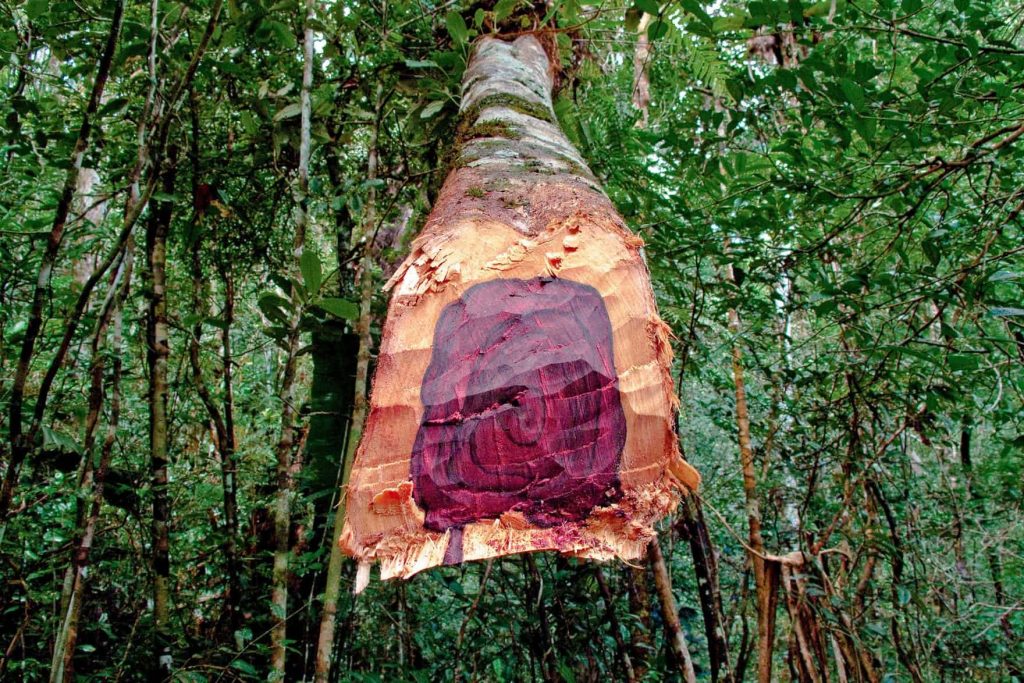
Director Mamy Rakotoarijaona, of Madagascar National Parks, said, “We want to encourage people to plant and not consume the fruits of the trees inside the parks or cut them to make charcoal.”
Even though national parks in Madagascar are protected areas that haven’t stopped significant deforestation events from happening, some people are still cutting trees. Madagascar’s environment minister, Alexandre Georget, said the state would employ guards to protect and monitor the young plants.


