
Scientists at the University of Chester have found a way to use un-recyclable plastic waste to produce hydrogen, which can heat homes and fuel cars without producing greenhouse gas emissions. The process uses a glass kiln, heated to 1,000 C, to break down the plastic to release a mix of gases such as hydrogen.
 After a pair of “waste-energy” companies agreed to invest, it was decided that the technology will be used commercially for the first time at a plant near Ellesmere Port in Cheshire later this year.
Peele Environmental, the owner of the plant, said, “The project could help keep 25 million tonnes of contaminated plastics, which cannot be recycled, from ending up in landfills or the ocean.”
Hydrogen could play a key role in replacing traditional gas used in stoves, radiators, and boilers. It could also replace petrol and diesel in cars, vans, and buses.
Professor Joe Howe of the University of Chester said, “Surely the world must wake up to this technology, it will make waste plastic valuable with it being able to power the world’s towns and cities, and most importantly it can help clean up our oceans of waste plastic now.”
Even though hydrogen is not a greenhouse gas, the process of creating it from plastic could possibly release potent greenhouse gases such as methane. The Cheshire project plans to trap these gases and pipe them into a power plant to generate electricity. This would not be any more polluting than existing gas-fired power plants and also would not need to extract more gas from the ground as they do.
The university researchers developed the project along with Powerhouse Energy. They hope to take the technology to Japan and south-east Asia, where hydrogen-fueled buses are currently being used on the roads.
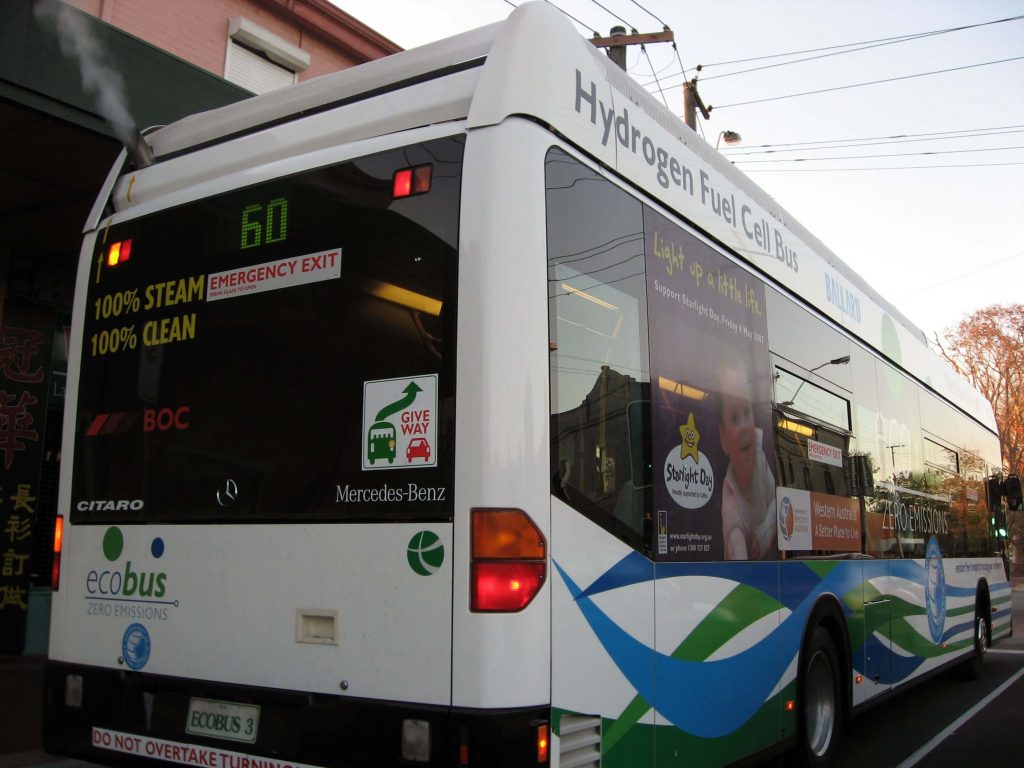 Japan’s ministry of economy, trade, and industry has already written to the company in support of its plans and believes it could offer “many environmental advantages”.
This gas-generated electricity could be an excellent alternative to the coal-fired electricity, which is widespread in Asia and produces almost double the amount of carbon emissions than a typical gas plant. Since this 2019 breakthrough, plastic-to-hydrogen technology has advanced significantly. In 2026, researchers at UCLA and Ewha Womans University demonstrated a new process that operates at much lower temperatures and captures carbon as a solid mineral instead of releasing it, making the dual benefit of waste cleanup and clean fuel production more practical than ever. A parallel push is underway on the fuel side, where a process now turns polyethylene into gasoline at under 170 degrees Celsius, far cooler than the 450 to 700 degrees conventional pyrolysis requires.


