
Oxis Energy, a UK battery company is looking to revolutionize the rechargeable battery market. They have developed a Lithium-Sulfur (Li-S) battery chemistry, that they say is safer, lighter, and maintenance-free.
The company has created patented safety chemistry to make them non-flammable and able to withstand extreme conditions. They contain a non-flammable electrolyte and a ceramic lithium sulfide passivation layer, which can withstand a bullet hole and still be operational.
The Li-S technology offers theoretical specific energy that is capable of being 5 times higher than lithium-ion with energy levels in excess of 2700Wh/kg. This is made possible because sulfur is a natural cathode partner for metallic lithium, which in turn allows for the highest energy density in lithium chemistry.
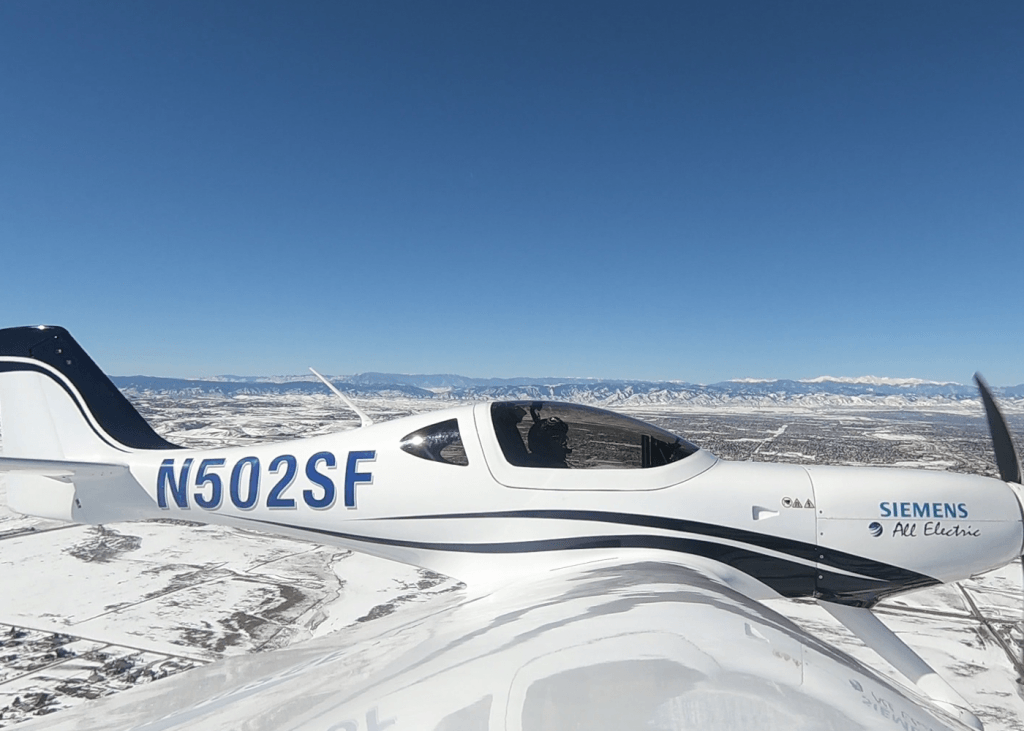
This new battery technology is very exciting news for the advancement of aviation, aerospace, marine, and everyday electric vehicles. Aircraft and aerospace require the need for more lightweight batteries, not only for take-off and landings but for overall flight distance and time. Oxis is already developing a <30 kWh battery system integrated with an Aviation Battery Management System that can be used in a two-seater electric passenger aircraft. Oxis is working in collaboration with Bye Aerospace out of Colorado, a company that specializes in electric and solar aircraft.
As for the life cycle, the company is still only at 250 Wh/kg. They are looking to double the current capacity within the next two years, which would give the battery around 500 cycles. 500 cycles would give an electric vehicle between 300,000-500,000 miles range.
The cost projections for these batteries are much lower than the heavier lithium-ion batteries because less material is required and the cost of the raw materials is lower. The company expects this to be a key driver for widespread use in commercial applications.
This Li-S technology is also extremely pressure tolerant and has a natural buoyancy. They can withstand depths of more than 6,000 meters. This is going to help advance the development of Autonomous Underwater Vehicles (AUV).
This technology will soon be available for use in heavy electric vehicles like buses to help replace diesel buses in cities. They will begin by implementing this technology in South America and Asia because these areas rely more on public transportation.
Oxis is also working with NASA to develop Li-S cells for high altitude vehicles and new drone technology. The company also has secured a contract to develop a larger battery that can be used in commercial aviation.
All of these benefits are reasons to be excited about the future of Li-S technology. One last reason and possibly the most important reason is they will be more environmentally friendly than Li-ion batteries. The sulfur used is a recycled by-product of the oil industry and will replace the need for heavy metals such as cobalt.


