
In August of 2019, the UK disconnected two large generators, taking 2GW worth of electricity within minutes. This caused the country’s grid frequency to drop below 48.9Hz, which is outside of the frequency required for safe operation.
The grid frequency came back very quickly as a result of their battery sites balancing out the power shortage. What they learned from this was just how vital it is to have adequate power storage in case the grid goes down.
Now, more companies have decided to get involved to increase storage throughout the UK. This same time last year had 300 companies involved, there are now more than 450. The number of MW is expected to rise from 6900MW one year ago, to more than 10,500MW of battery storage according to RenewableUK (R-UK).
The average project size rose only slightly in these past 12 months from 27MW to 28MW. Those numbers are expected to jump significantly.
R-UK said:
The pipeline of storage projects is expected to continue growing and an increasing number of grid-scale battery projects of over 50MWs are expected, after BEIS agreed earlier this year to change planning rules which have, up to now, deterred development at this scale.
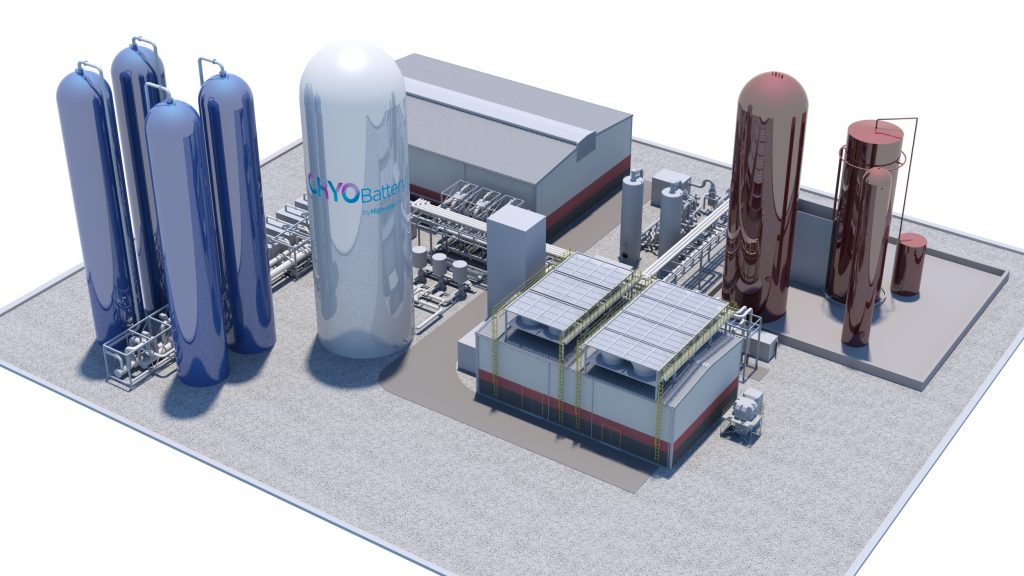
The UK also has other projects planned including a new pipeline that will hold over 600MW of compressed or liquid air. Other new technologies include the use of flywheels in energy storage, gravity-based storage, and using cryogenics.
Barnaby Wharton, R-UK Director of Future Electricity Systems said:
As we build the net-zero energy system of the future based on renewables, we’re changing the way we manage the entire network, using a wide variety of extraordinarily innovative storage technologies. The pace of change in the industry is hugely exciting. Energy storage has reached a tipping point with major companies entering this new market, providing new services to guarantee the security of our energy supplies and maximizing the amount of power available, providing massive benefits to consumers.
This news was announced at the Energy Systems Storage 2019 event in London and was organized by R-UK and the Solar Trade Association.
As Mike Ryan, Asset Management Director at Battery Storage Developer Anesco, said back in August: “There has never been a clearer example of the vital role of storage for the grid. As more and more renewable generators come online and we drive towards ‘net zero’, such assets need to be effectively utilized and proper frameworks put in place to work with operators.”
Companies around the UK and the people from R-UK have wasted little time since the event in August to implement changes with their current plan. The increase in battery storage along with exciting future technologies will help to lower emissions and increase grid power frequency.


