
A revolution in diabetes treatment is on the horizon and is expected to hit the market around 2025-26. Hyderabad-based company NiedlFree Technologies has developed an exciting innovation: a needle-free spray-based insulin named ‘Ozulin.’ This oral insulin appears to be the panacea for the painful insulin injections routinely endured by many diabetes patients worldwide.
Preliminary data provides confidence in the effectiveness of ‘Ozulin.’ A study by Palamur Biosciences found the oral insulin spray to have a bioavailability of over 91 percent, a measure of the rate and degree to which a drug is absorbed into the bloodstream or reaches its site of activity. In layman’s terms, ‘Ozulin’ is set to be highly effective. Such promising results have prompted various companies across the globe to seek similar breakthroughs.
This innovation dispenses the doses in a spray form directly into the mouth, making it a convenient alternative, particularly for people with an active lifestyle. It promises to provide relief to a significant segment of the global populace battling diabetes. Companies are now seeking permission from health authorities to conduct human safety and toxicology studies before proceeding with full-fledged clinical trials.
NiedlFree’s breakthrough was achieved by encapsulating human insulin into functionalized nanoparticles, ensuring optimal delivery into the bloodstream with prolonged release. Surprisingly, pain-free insulin might not only be confined to humans. The company has plans to launch an oral insulin spray for pets, primarily dogs and cats, by 2024-25.
But the question is – How effective is oral insulin? Insulin is a hormone produced by the pancreas. Its primary role is to ensure that sugar from nutrients in food is correctly used or stored in the body. Injectable insulin therapy assists in keeping one’s blood sugar within the target range.
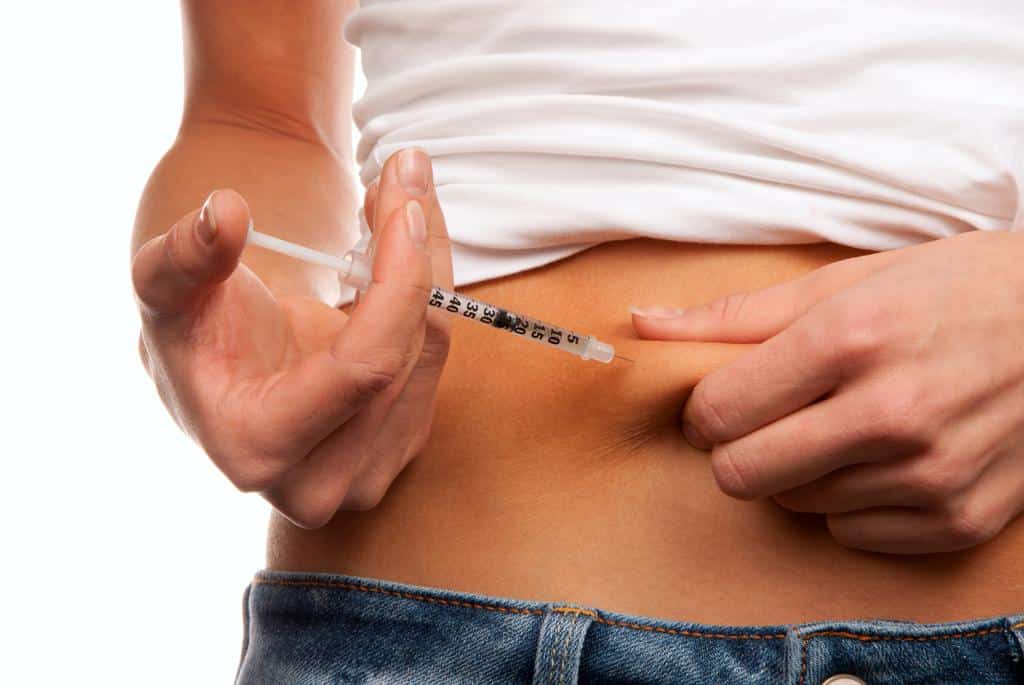
However, NiedlFree isn’t alone in this pursuit. In the United States and Canada, several ventures are working on similar innovations, using diverse methods to deliver insulin orally or nasally. While some companies are attempting to develop insulin pills, others are focusing on buccal insulin, meant to be absorbed through the inner lining of the mouth. Regardless, each approach shares a common goal – painless and effective insulin administration.
Still, the ambition of painless insulin administration predates these recent advancements. Since the introduction of insulin therapy in the 1920s, scientists have sought alternative methods of insulin administration, dreaming of a world where patients could simply swallow a tablet to manage their insulin levels.
It’s worth noting that each of these novel methods of insulin administration offers advantages beyond mere convenience or a painless experience. Oral, nasal, and buccal insulin uptake could lead to better compliance by patients, thus improving metabolic control and reducing the risk of diabetes-related complications.
The advancements made by these companies represent important strides in the continual search for diabetes management solutions. The developments might also greatly reduce healthcare costs associated with the production and distribution of traditional injectable insulin. Although obstacles remain, the progress made thus far heralds a future where managing diabetes could be as simple as taking a dose of insulin spray or swallowing a pill.


