
Navigating the complexities of early childhood development often feels like piecing together a vast, intricate puzzle where every milestone serves as a vital component. Parents frequently encounter a range of specialized terms and therapeutic recommendations that can feel overwhelming, particularly when a pediatrician suggests occupational therapy.
Far from being a clinical remedy for adult-style ‘work,’ pediatric occupational therapy focuses on the essential activities that define a child’s daily life, such as playing, learning, and interacting with their environment. Providing children with the tools they need to master these ‘jobs of childhood’ ensures they develop the foundational skills necessary for long-term independence.
Occupational therapists look beyond surface-level symptoms to understand how a child’s sensory, physical, and cognitive systems interact with the world around them. Prioritizing these early developmental interventions fosters an environment where children feel empowered, capable, and prepared to face growth challenges.

Redefining The Concept of Occupation Within Pediatric Therapy
Most parents associate the term ‘occupational’ with employment, traditional careers, or the typical 9-to-5 routine. Parents are often left scratching their heads due to this common misconception when their child’s pediatrician suggests an occupational therapy program for their child. The child’s “occupation” certainly doesn’t include filing taxes or managing a staff, as these are what parents do! The child’s occupation involves playing, learning, and developing.
In the realm of pediatric therapies, ‘occupation’ refers generally to any activity that occupies a child’s time throughout the day. These essential tasks are the building blocks of early development and personal growth.
A child’s daily ‘occupations’ often include:
- Mastering self-care tasks like dressing and hygiene.
- Using a pencil or scissors for school success.
- Navigating playgrounds and physical environments safely.
- Interacting and playing effectively with peers.
Occupational therapy is the art and science of teaching a child how to perform these fundamental ‘jobs of childhood’ with confidence. By addressing these areas, therapists help children bridge the gap between their current struggles and future independence.
Pediatric OT bridges the gap between where the child is struggling now and where they can be independent in the future. It’s more than “fixing the problem”; it’s helping the child feel confident in their world.
The Holistic Approach to Enhancing Comprehensive Child Development
The profound effectiveness of occupational therapy stems from its comprehensive, holistic approach to child development. While other methods might target a specific domain of development, occupational therapy considers the entire child. An occupational therapist assesses the way in which a child’s physical, cognitive, and emotional strengths and weaknesses impact their life.
Fine Motor Skills Achievement
Fine motor skills refer to the use of the small muscles in the hands and wrists. It seems like a very specialized topic, but it’s important to consider just how many of a child’s activities throughout the day use these skills.
- Self-Care: Putting a jacket zipper up, buttoning a shirt, and tying shoelaces
- Success in School: Holding a pencil in one’s hand, cutting paper with scissors, and typing keys on a keyboard
- Feeding: Eating with a fork and a spoon or unwrapping a lunch box.
If a child has issues with these functions, they not only fall behind in a physical sense; they may also become frustrated and develop a problem with their self-esteem. OT offers the specific activities and level of challenge to develop these muscles and hone their coordination.
Gross Motor and Core Stability
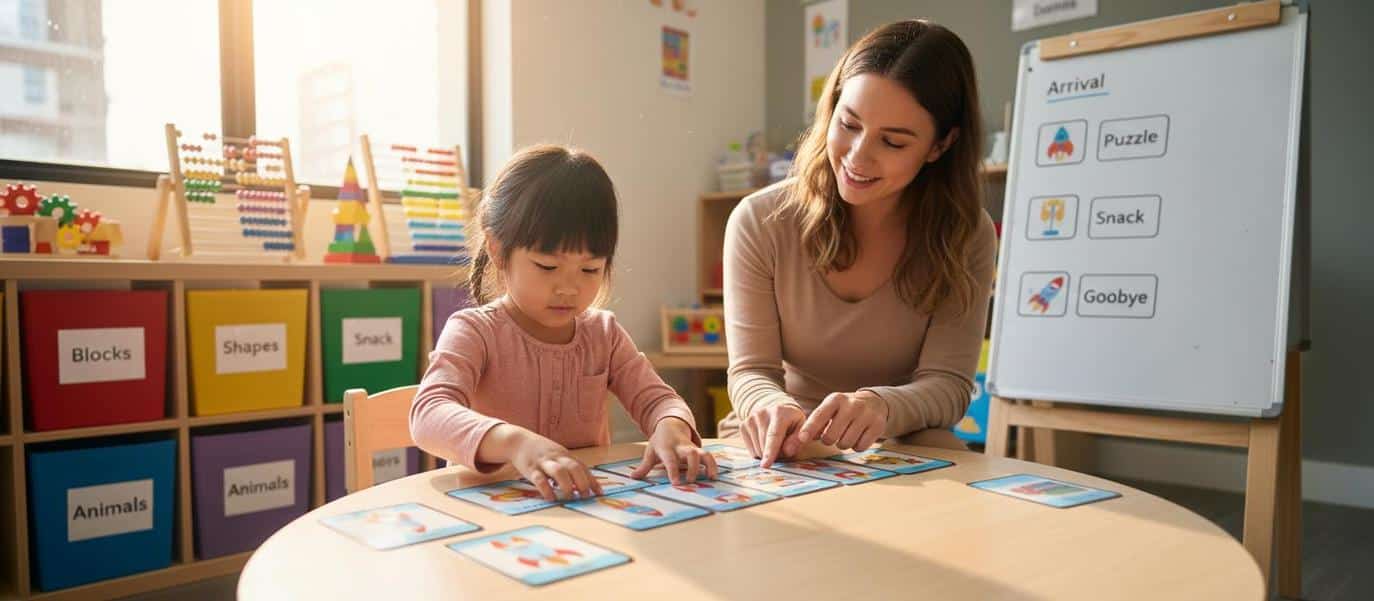
Whereas physical therapy may work to address large-scale mobility issues, OT is concerned with how gross motor skills affect everyday tasks when they are used in a particular way to facilitate those tasks. If a child has a “floppy” core, they will not be able to sit up straight in a classroom desk chair and therefore will not be able to concentrate on handwriting tasks.
Analyzing The Sensory Connection and Processing Challenges
One of the most essential but least understood realms of occupational therapy involves the complex concept of sensory integration. Integrating the senses of sight, sound, touch, smell, taste, and kinesthetic sensations occurs naturally throughout every individual’s life.
Unfortunately, a significant number of children experience sensory processing disorder or intense sensory sensitivities. These challenges occur when the surrounding world becomes too loud, too bright, or too overwhelming for their nervous system to process effectively.
Achieving an Optimal State of Arousal Through Therapeutic Intervention
Therapists often engage children who are ‘sensory seeking’ in heavy work activities to effectively calm the nervous system. Children identified as ‘sensory avoidant’ benefit when a therapist introduces textures and sounds within a controlled and safe environment.
In helping the child attain an “optimal state of arousal,” OT gives the child the ability to shift attention away from the tag on the shirt or the hum of the air conditioner and attend to the teacher.
Developing Executive Functioning and Cognitive Skills for Independence
Occupational therapy serves as a critical cognitive field where practitioners collaborate with children to enhance executive functioning, or the cognitive processes we use to plan, pay attention to detail, remember verbal instructions, and multitask successfully.
OTs work with children to enhance the following:
- Sequencing: Understanding the sequence of actions necessary to complete a task (for example, putting socks on and then shoes).
- Organization: Managing schoolwork and personal items.
- Problem-Solving: Trying to figure out how to complete an obstacle course or resolve a problem in a board game.
When these cognitive “gears” in a child’s mind are greased through therapeutic play activities, a child will become more autonomous. Children will no longer require parental assistance for every step of their morning routine and will begin to take control of their day.
The Social-Emotional Impact of Occupational Therapy on Child Resilience
Underestimating the degree to which social success depends on underlying skills from early developmental years is a common oversight among adults. Physical limitations, such as an inability to catch a ball, can lead to playground avoidance and subsequent social isolation. Similarly, difficulties with sensory regulation often result in meltdowns that make maintaining a consistent social life challenging for developing children.
Building Essential Soft Skills and Social Competence
Therapeutic play facilitates the development of essential ‘soft skills’ required for a successful childhood. In group therapy sessions or play activities, children are taught:
- Sharing and Turn-taking.
- Interpreting nonverbal social cues.
- Emotional regulation and coping when things are not going the way they want them to go.
Occupational therapy instills children with the resilience required to navigate challenging social environments that are school and activities.

Why Selecting an Experienced Pediatric Occupational Therapist Is Critical
Prioritizing a professional’s level of experience is essential when selecting an occupational therapist for your child. Pediatric OT requires specialized expertise; deep clinical experience represents the difference between marginal progress and significant developmental milestones.
The Power of Clinical Observation
A skilled OT possesses a refined ‘clinical eye’ developed through years of dedicated practice. Within five minutes of observing a child at play, an experienced therapist can identify subtle developmental issues that remain invisible to nonprofessionals. These practitioners recognize that poor handwriting is rarely just a lack of practice; instead, it often signals underlying visual-motor integration challenges or a retained primitive reflex.
Customization Instead of “Cookie-Cutter”
Each child presents as a unique individual, requiring a skilled practitioner to utilize an extensive repertoire of evidence-based strategies. If a child struggles to respond to a particular approach, a good pediatric occupational therapist can modify the activity immediately. Such adaptability ensures that every session remains precisely tailored to a child’s evolving individual needs.
Dealing with Complex Diagnoses
Expertise is essential when supporting children with complex needs, such as Autism Spectrum Disorder (ASD), ADHD, Cerebral Palsy, or Down Syndrome. Experienced providers understand the specific comorbidities associated with these diagnoses. Possessing such knowledge allows them to coordinate care effectively across speech therapists, physical therapists, and educators to ensure a unified approach to success.
Parent Coaching and Empowerment
The collaborative work occurring outside the clinic setting forms a massive component of successful therapy. Skilled practitioners prioritize both direct child interaction and the empowerment of parents through targeted knowledge sharing. Therapists ensure that growth continues long after the session ends through teaching parents how to modify home environments, manage a ‘sensory diet,’ and advocate at school. Effective knowledge transfer serves as the critical key that unlocks sustained developmental growth.
Investing in Early Intervention for Long-Term Developmental Success
Occupational therapy is an investment in a child’s future independence. Filling in these developmental gaps today helps avoid the ‘snowball effect’ in which small challenges in preschool become big challenges in sixth grade. The power of OT is quantifiable and life-altering. From the pride of accomplishment that comes with the ability to tie one’s shoes for the first time to the peaceful dinner table that is free from the wars over sensory issues, the difference is dramatic.
Unlocking Your Child’s Potential with Professional Guidance
If you feel as if your child is struggling in the areas of fine motor, sensory, and regulation, do not wait. Reaching out to a professional who has an abundance of experience could unlock your child’s potential and give them the tools they need to succeed in the “job” of being a kid.

Empowering Your Child’s Journey Toward Independence
Deciding to pursue pediatric occupational therapy is a proactive step that transforms potential obstacles into manageable stepping stones. This therapeutic journey provides more than just physical or cognitive improvements; it builds the internal resilience and self-assurance a child needs to navigate social and academic settings.
Addressing developmental gaps during these formative years prevents minor frustrations from evolving into significant barriers, ensuring that every child has the opportunity to thrive in their natural ‘occupations’ of play and discovery. Investing in an experienced pediatric provider ensures that your child receives a customized roadmap tailored to their unique strengths and sensory needs.
As children master fine motor coordination, sensory regulation, and executive functioning, the positive impact ripples through every aspect of their lives—from the classroom to the family dinner table. Deciding to take action now provides your child with a lifetime of tools for success, fostering a future defined by autonomy, confidence, and meaningful achievement.
Frequently Asked Questions About Pediatric Occupational Therapy
What are the early signs that my child might need occupational therapy?
Children may benefit from OT if they struggle with fine motor tasks like buttoning clothes, show extreme sensitivity to sounds or textures, or have difficulty following multi-step instructions during play.
How does occupational therapy differ from physical therapy for kids?
While physical therapy focuses on large-scale mobility and strength, occupational therapy targets the functional skills needed for daily living, such as handwriting, self-feeding, and sensory regulation.
Can occupational therapy help with my child’s school performance?
Yes, OT improves school success by enhancing executive functioning skills like organization and attention, as well as refining the fine motor control required for legible handwriting and classroom activities.
What is a sensory diet, and how does it help?
A sensory diet is a customized suite of activities designed by an OT to provide the specific sensory input a child needs to stay calm, focused, and organized throughout the day.
How long does a typical pediatric occupational therapy program last?
The duration varies based on the child’s unique developmental goals and progress, but most programs involve weekly sessions with regular reassessments to ensure milestones are being met.


