
While Miami’s glittering skyline and turquoise waters create an Instagram-perfect facade, the city truly rewards those who engage in strategic planning. Planning a trip to Miami means navigating 26.5 million other visitors while discovering authentic experiences beyond the tourist traps. This guide reveals insider strategies on how to plan a trip to Miami for maximizing your adventure.

Key Fundamentals for Planning Your Miami Trip
Smart Miami planning starts with understanding five critical elements. Budget allocation typically runs $150-400 daily, with accommodation representing 40-60% of total costs. Peak seasons (February-March, December) drive prices up 30-50% while delivering perfect weather. Neighborhood selection shapes your entire experience—South Beach’s energy differs dramatically from Coral Gables’ refinement.
Your transportation strategy can significantly impact your budget. Miami’s expanding transit network serves 14% of visitors, while ride-sharing averages $15-25 per trip. Prioritizing activities prevents impulse spending on tourist traps, allowing you to focus on authentic local gems.
Data suggests that guests staying for four or more nights tend to explore significantly more neighborhoods. Accommodations with flexible check-in and check-out times can be particularly valuable, helping to accommodate flight delays or allow for extended exploration on your travel days.
Timing Your Miami Visit: Beat the Crowds and Costs
Peak season pricing hits hardest in December and March, with hotels averaging $274 per night and 73.4% occupancy rates. Art Basel alone brings 70,000+ visitors, spiking prices 20% citywide. Smart travelers book accommodations 60-90 days ahead during these months.
Shoulder seasons (April-May, September-November) offer 30-40% savings with comfortable 75-85°F temperatures. Restaurant reservations become easier, and beach crowds thin considerably. Summer bargains (June-August) provide maximum savings despite higher humidity and afternoon storms.
Hurricane season runs June-November, peaking in August-September. Modern forecasting provides 5-7 day advance warnings, making cancellation insurance valuable. Event planning requires different strategies. Events like Miami Music Week, Art Basel, and the Formula 1 Grand Prix demand early bookings.
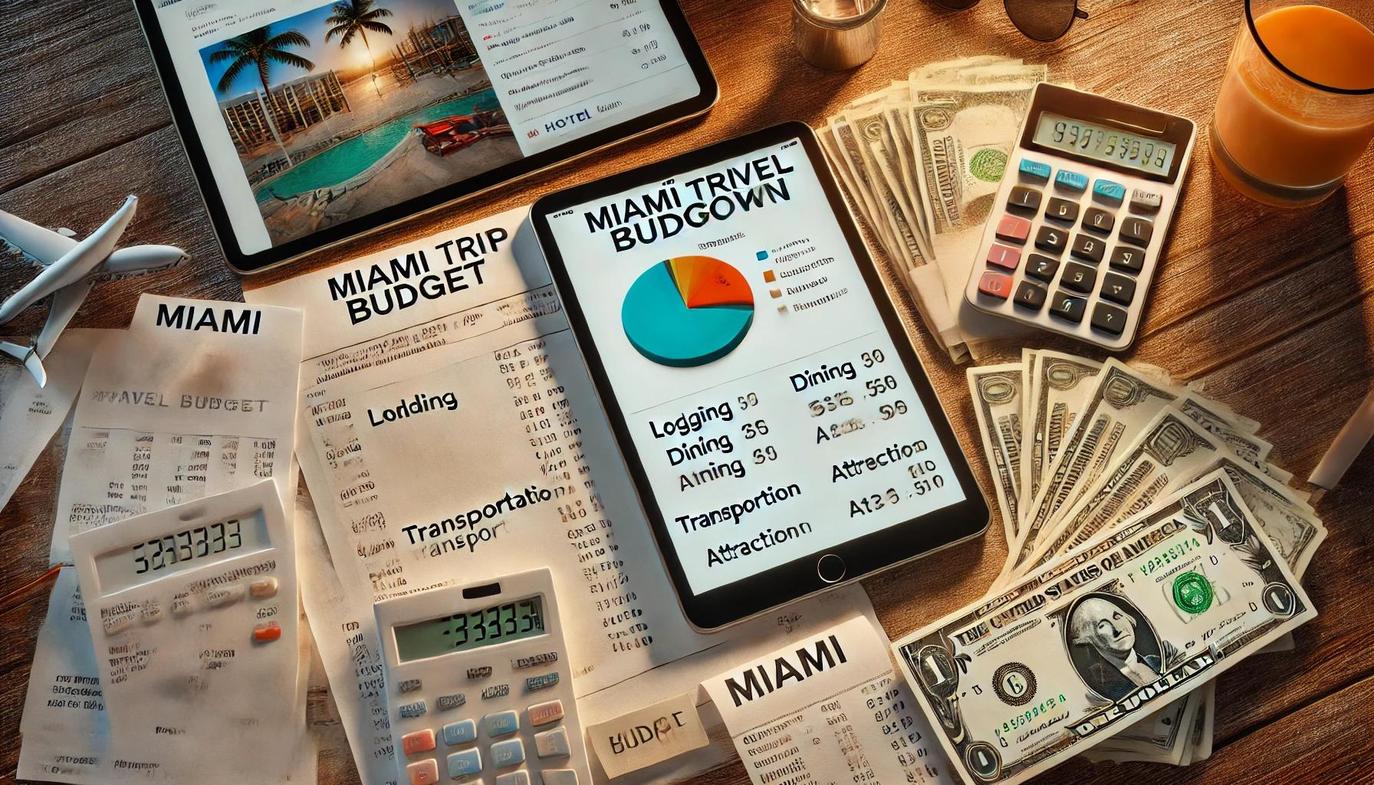
Breaking Down Your Miami Budget
Accommodation expenses typically dominate a Miami budget. Luxury hotels can range from $400-$800+ nightly, while mid-range hotels offer standard services for $150-$300, and budget hostels provide minimal amenities for $30-$50.
Transportation costs vary dramatically by choice:
- Rental cars: $40-80 daily + $15-30 parking
- Rideshares: $8-15 local trips, $25-40 airport runs
- Public transit: $2.25 per ride (Metromover free)
- Bike sharing: $15-25 daily
Dining budgets range from $30-150 per person daily. Little Havana’s authentic Cuban meals cost $8-15, while fine dining exceeds $100 per person. Activity costs range from free beach access to $100+ attraction tickets.
Neighborhood Guide: Finding Your Perfect Miami Base
South Beach
South Beach delivers classic Miami glamour with 800+ Art Deco buildings, world-class beaches, and Lincoln Road’s pedestrian paradise. Expect premium pricing but unmatched walkability. Ocean Drive buzzes 24/7 with street performers and outdoor dining.
Wynwood
Wynwood attracts creative professionals with its 80,000-square-foot Wynwood Walls showcase and thriving gallery scene. Monthly art walks create free cultural experiences. Parking costs 50% less than in South Beach, appealing to budget-conscious travelers.
Downtown Miami
Downtown Miami suits business travelers, with its Metromover system connecting major attractions. Brickell offers upscale dining and shopping, while Bayside Marketplace provides waterfront entertainment. The area’s public transit significantly reduces transportation costs.
Coral Gables
Coral Gables provides family-friendly Mediterranean architecture and excellent restaurants. Miracle Mile offers boutique shopping, while Fairchild Tropical Botanic Garden appeals to nature enthusiasts. Little Havana immerses visitors in authentic Cuban culture along Calle Ocho.

Transportation: Moving Through Miami
Miami International Airport (MIA) processed 52.3 million passengers in 2024. Ground transportation options include Miami Beach Express buses ($2.25), rideshares ($25-40), and rental cars. Pre-booking rideshares saves 15-20% over airport rates.
Public transportation has modernized significantly. The Metromover operates free within downtown, while Metrobus covers Miami-Dade for $2.25. Express routes connect major destinations efficiently.
Rental cars provide flexibility but challenge newcomers. Parking fees ($15-30 daily) plus valet charges ($15-25) add up quickly. Rush hour traffic (7-9 AM, 5-7 PM) can double travel times.
Alternative transportation includes Citi Bike Miami stations throughout South Beach and downtown. Water taxis offer scenic routes, while the Miami Beach Trolley connects major attractions for free.
Must-See Attractions Beyond Touristy Spots
South Beach offers more than sunbathing. The Art Deco Historic District showcases 1930s-1940s architecture, while Lummus Park provides volleyball courts and people-watching. Lincoln Road delivers car-free shopping and dining.
Wynwood Walls transforms warehouses into outdoor galleries. Monthly art walks create free cultural experiences, while Wynwood Brewing Company offers tastings. KYU and Coyo Taco represent the area’s elevated dining scene.
Vizcaya Museum ($25 admission) provides European grandeur with its 54-room villa and formal gardens. Little Havana’s Calle Ocho features Domino Park for social gatherings and Ball & Chain for live Latin music.
Bayside Marketplace combines shopping with Biscayne Bay boat tours ($35-75). Celebrity home tours and American Airlines Arena events add entertainment options.
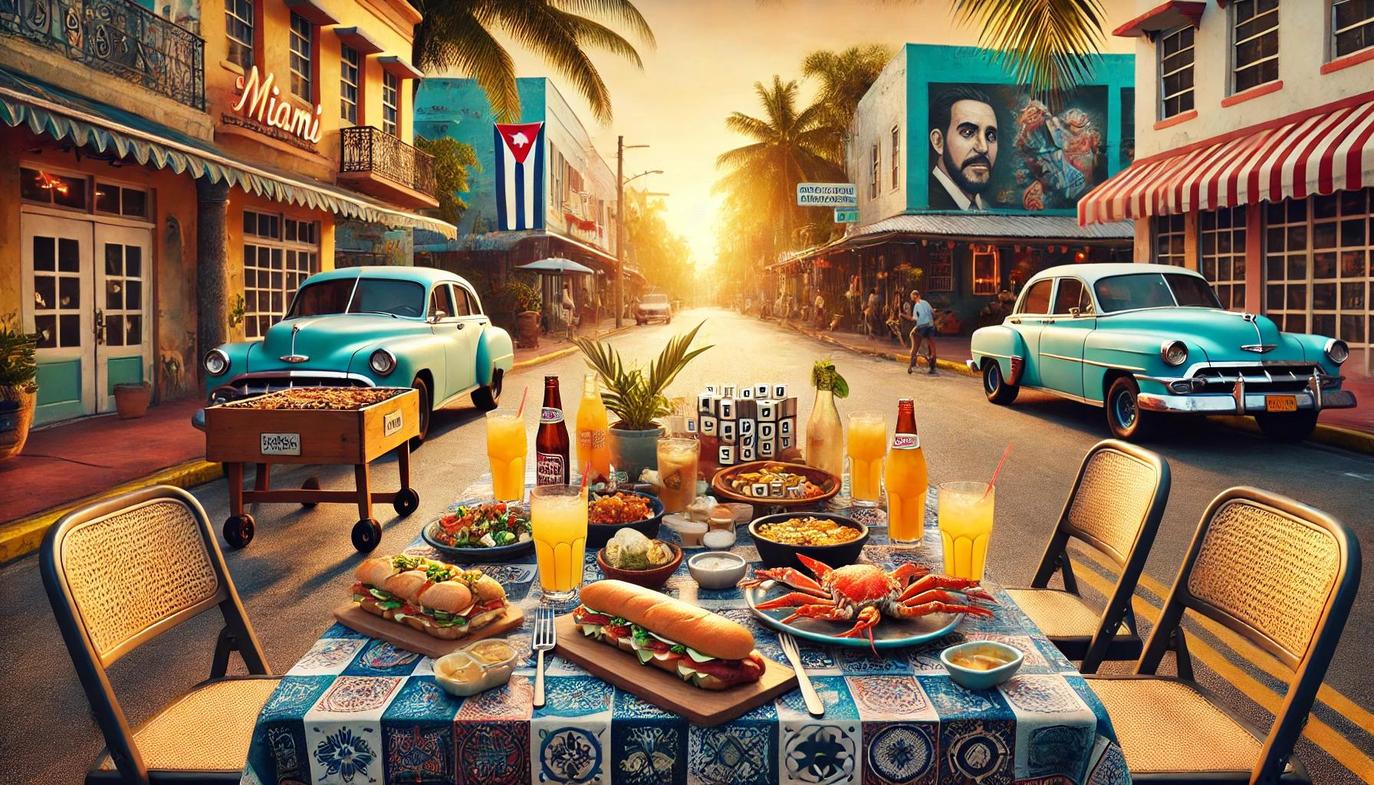
Exploring Miami’s Diverse Food Scene
Cuban cuisine dominates Miami’s landscape. Versailles Restaurant has served the community since 1971, while Cafe Bustelo provides essential Cuban coffee. Joe’s Stone Crab (October-May) offers upscale seafood experiences.
Ceviche represents Latin American influences at CVI.CHE 105 (Peruvian-style) and La Mar (upscale Brickell location). Haitian cuisine thrives in Little Haiti at Chef Creole and Tap Tap Restaurant.
Seafood takes center stage with locally harvested stone crabs (October-May). Monty’s Raw Bar offers casual waterfront dining, while Seaspice provides upscale Miami River views.
Food trucks and casual dining offer budget-friendly options. Pincho serves Venezuelan-inspired dishes, while Coyo Taco elevates Mexican street food. Fine dining includes Zuma (Japanese) and Komodo (Southeast Asian).
Reservations are essential during peak season. Opting for accommodations with a full kitchen can also be a smart strategy, allowing you to prepare simple meals for savings while still experiencing Miami’s vibrant food scene.
Safety and Practical Considerations
Miami’s crime rate has decreased significantly, but standard precautions apply. Tourist areas maintain a regular police presence. Beach safety requires attention to strong currents and rip tides, especially during winter months.
Hurricane season (June-November) peaks August-October. Weather monitoring and flexible plans are essential. Language considerations include widespread Spanish usage, particularly in Little Havana.
Tipping culture follows American standards:
- Restaurants: 18-20%
- Bartenders: $1-2 per drink
- Hotel Housekeeping: $20-30 daily
Key emergency contacts include:
- Emergencies: 911
- Miami Beach Police (non-emergency): 305-673-7900

Crafting Your Perfect Miami Experience
Ultimately, a successful trip to Miami hinges on the balance between thoughtful preparation and spontaneous discovery. By understanding the Miami’s diverse neighborhoods, planning your transportation, and setting a realistic budget, you create a framework that allows for authentic experiences beyond the typical tourist path. Whether you’re drawn to the glamour of South Beach or the cultural richness of Little Havana, strategic planning is what transforms a relaxing vacation into an unforgettable adventure.
Frequently Asked Questions About Planning a Miami Trip
What is the cheapest time of year to visit Miami?
The most budget-friendly time to visit is during the summer (June to August). While you’ll find the best deals on flights and accommodations, prepare for hot, humid weather and the possibility of afternoon thunderstorms.
Do I need to rent a car in Miami?
It depends on your itinerary. If you plan to stay primarily in a walkable area like South Beach, you can easily get by with a combination of walking, ride-sharing, and the free trolley. However, if you want to explore multiple neighborhoods like Coral Gables and Wynwood, a rental car offers the most flexibility.
Is Miami a family-friendly destination?
Absolutely. Beyond the nightlife, Miami offers numerous family-friendly attractions. Neighborhoods like Coral Gables are known for their safe, relaxed atmosphere, and attractions like the Venetian Pool, Fairchild Tropical Botanic Garden, and the beaches provide entertainment for all ages.
How much Spanish do I need to know?
While you can certainly get by with English, knowing a few basic Spanish phrases is helpful and appreciated, especially in neighborhoods like Little Havana. Most people in the service industry are bilingual, but making an effort can enhance your interactions.


