
Most homeowners don’t realize there are issues hiding in plain sight—until a plumbing emergency exposes them. According to seasoned plumbers, 9 out of 10 homes share at least one repeated mistake that slowly wears down the system or puts the home at risk of major water damage.
These aren’t just clogged drains or leaky faucets. These common mistakes go beyond visible leaks—they include routine missteps that quietly degrade your plumbing system over time. Here are the observations made by plumbing experts and the recommended actions for homeowners.

Trying to Dissolve Hair with Baking Soda and Vinegar Alone
While baking soda and vinegar are great for drain cleaning, they won’t magically dissolve clumps of hair. Many homeowners rely on this method for clogged bathroom sinks or tubs, then wonder why the water still backs up.
What to do instead: Mechanical removal is key. Use a plastic hair snare tool (like a drain zip tool) to pull the hair out first. Then, flush the drain with hot water and follow up with a baking soda + vinegar rinse to help remove residual gunk and deodorize. Skip boiling water if you have PVC pipes—stick with very hot tap water instead.
Forgetting to Clean Faucet Aerators
Most people don’t even realize their faucet aerators (the little screen at the tip of the tap) can get clogged with mineral buildup. Over time, this reduces water pressure, causes splashing, or leads to uneven spray. But some homeowners try to clean them with pins or screwdrivers, which can damage the mesh or threads.
What to do instead: Unscrew aerators every few months (especially in hard water areas), soak them in a mix of vinegar and warm water for 30–60 minutes, and use a toothbrush to gently scrub off debris. Avoid poking them with metal objects. If the flow is still uneven, it’s often cheaper to replace the aerator entirely—they’re low-cost and easy to install.
Treating the Garbage Disposal Like a Trash Compactor
Even with a strong motor, garbage disposals aren’t meant to handle everything. – Starchy foods (like pasta and rice) swell inside pipes.
- Stringy vegetables (like celery) wrap around the blades.
- Coffee grounds become thick sludge just beyond the trap.
What Not to Put in Your Disposal
These clog-prone items strain the disposal and drainage system unnecessarily.
What to do instead: Feed food scraps slowly, and always run cold water before, during, and after use. Avoid fibrous vegetables, eggshells, and large quantities of leftovers. Never pour grease down the disposal—it hardens in your pipes and causes major clogs.
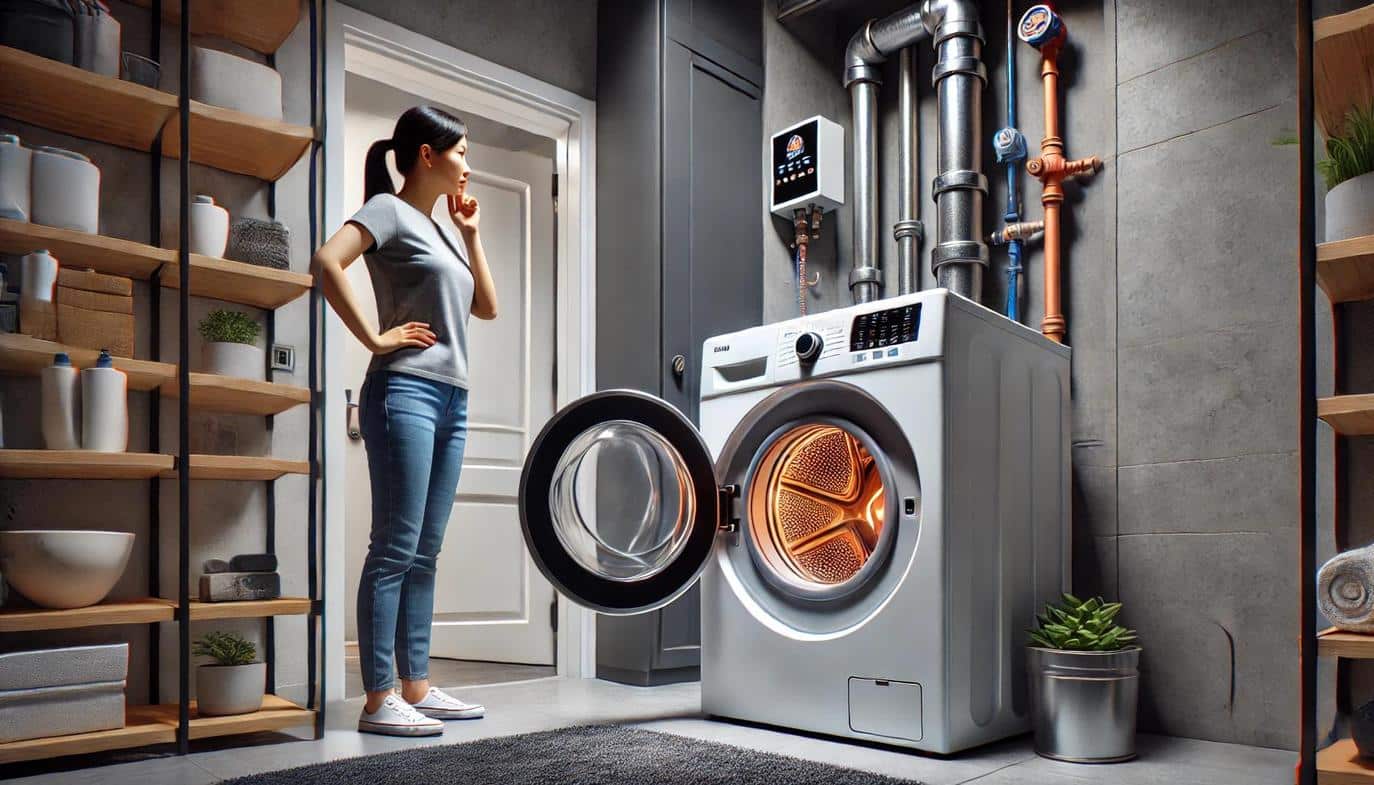
Ignoring “Water Hammer” Noises
When a faucet shuts off, does it make a loud bang? It’s not harmless. This surge of pressure, called water hammer, can damage pipe connections. It’s especially dangerous in homes with high water pressure.
What to do instead: Install water hammer arrestors behind appliances like washing machines or dishwashers. If the issue persists, a licensed plumber can check the water pressure. Anything above 70 psi may require a pressure-reducing valve to protect the system.
Assuming All “Flushable” Wipes Are Safe
Despite marketing claims, most flushable wipes don’t disintegrate like toilet paper. Instead, they get caught in bends and joints, contributing to clogs or even sewer line backups, especially in older homes with cast iron or clay pipes.
What to do instead: Stick to flushing only toilet paper. Keep a trash bin in the bathroom to reduce temptation. Plumbers suggest using biodegradable wipe alternatives, but it’s advisable to dispose of them in the trash instead of the toilet.
Installing “Quick Fix” Compression Fittings on Main Lines
DIYers often use compression fittings, but they’re risky for high-pressure or hidden areas—they’re better suited for temporary fixes.
What to do instead: For permanent solutions, always use soldered copper, PEX crimp rings, or threaded fittings installed by a licensed plumber. Compression fittings can loosen over time, causing slow leaks that may go unnoticed until major damage occurs.

Why You Shouldn’t Rely on a Single Outdoor Hose Bib
It’s common for a single hose bib to handle tasks like watering the lawn or washing the car. But without a vacuum breaker, contaminated water can siphon back into your home’s supply—especially if a hose is submerged in a bucket or pool.
What to do instead: Install hose bib vacuum breakers to prevent backflow. These low-cost devices screw onto the spigot and are required in many jurisdictions for cross-connection control.
Why Ignoring Water Pressure Can Cost You
High water pressure might feel luxurious, but it stresses everything—from valves and hoses to seals and joints. If your home’s water pressure exceeds 80 psi, you’re at greater risk of pipe bursts, valve failures, and expensive appliance damage.
What to do instead: Use a water pressure gauge (available for under $20) to check your pressure at any hose bib. Ideal range: 60–70 psi. If readings are high, consider installing a pressure-reducing valve (PRV) on the main water line.
Stop Small Leaks from Becoming Big Problems
Most plumbing failures aren’t sudden—they’re the result of overlooked routines, quiet warning signs, or DIY shortcuts gone wrong. Taking preventive steps today means fewer surprises tomorrow. It’s always cheaper to avoid a disaster than to clean one up.
Simple routines like cleaning aerators and checking hose bibs make a difference. Identifying a water hammer early prevents pipe bursts and thousands in damage—it’s a key part of preventive maintenance. These small checks create long-term peace of mind. Don’t wait for a flood to teach you what could’ve been fixed with a wrench.

Hidden Plumbing Dangers Most People Miss
Hiring a licensed plumber for an annual walk-through—even if nothing is “broken”—can uncover risks such as:
- Failing or weakened shut-off valves
- Hairline leaks behind walls
- Aging fixtures close to failure
Routine inspections help avoid surprise leaks, extend appliance life, and save on emergency repairs.
Frequently Asked Plumbing Questions
Can baking soda and vinegar really unclog drains?
Not for hair clogs. While great for deodorizing and removing minor buildup, they don’t break down hair. Mechanical removal is still necessary.
Why is my faucet making loud banging noises?
That sound is likely “water hammer”—a pressure surge in your pipes. It can damage valves and should be corrected with an arrestor or pressure check. Ignoring it could cause long-term pipe stress.
Are “flushable” wipes actually safe to flush?
No. Most do not disintegrate properly, and they often clog pipes. Even biodegradable ones are best tossed in the trash.
How often should I check water pressure?
At least once a year. High pressure causes leaks and appliance wear. Ideal pressure is 60–70 psi.
Is it okay to put grease down the garbage disposal?
Never. Grease hardens in the drain, not the disposal itself. Always wipe and throw away excess oils.

