
Transforming your outdoor space into a comfortable retreat is an attainable goal, especially during the sweltering summer months. Finding natural solutions to beat the heat maintains an inviting atmosphere and contributes to eco-friendliness. Leveraging these green strategies will provide relief from the heat and do so while keeping your outdoor environment in tune with nature.
Embrace Shade Solutions
Creating shaded areas in your outdoor space can drastically reduce temperatures without resorting to artificial cooling methods. A well-planned garden layout can involve planting trees that naturally block sunlight. Large, leafy trees can offer substantial shade, resulting in a cooler area for you and your guests.
In urban settings, where greenery might be scarce, consider retractable awnings or outdoor shades to block intense sunlight. Installing outdoor blinds allows for an effective way to manage light and airflow, especially if you are looking for something specific to your local climate. Whether you need Adelaide outdoor blinds or ones in Sydney, finding the right fit for your needs might take time, but it’s possible. A pergola covered with climbing plants can create a cozy and shaded nook. Vines such as wisteria or jasmine provide shade and fill the air with fragrance, enhancing the outdoor experience. The combination of structured shade and natural elements can lead to a remarkable balance in your outdoor space.
Incorporate Water Features
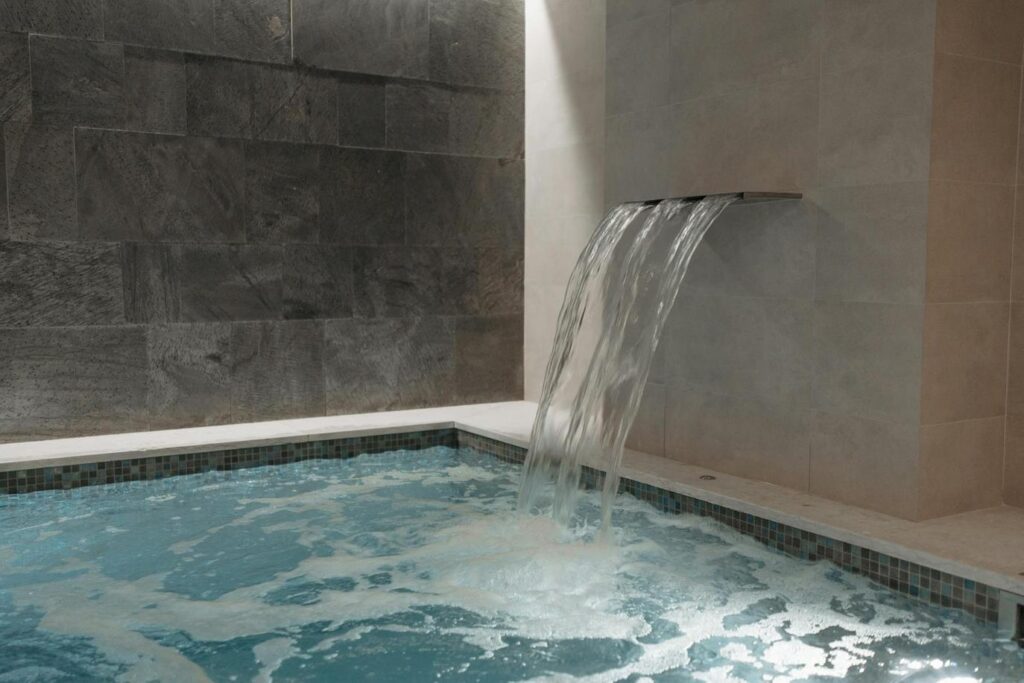
Water has a natural cooling effect, and adding a water feature can significantly lower the surrounding temperature. Small ponds, fountains, or birdbaths can create a tranquil setting while offering cooling benefits. The evaporation process of water is inherently cooling and can offer subtle relief on hot days.
Water features attract wildlife, such as birds and butterflies, adding charm and liveliness to your outdoor space. If space allows, consider installing a small stream or waterfall. The sound of flowing water can also provide a serene ambiance, transforming your area into a peaceful getaway.
They can serve as a striking focal point that enhances your garden’s visual appeal. Many modern options are energy-efficient and easy to maintain, making them practical as well as beautiful. With thoughtful placement, a water feature can complement your existing landscaping and contribute to a more comfortable and inviting environment.
Utilize Natural Ventilation
Positioning outdoor furniture can maximize natural breezes, promoting air circulation. Arranging seating areas to face prevailing winds allows for natural airflow, ensuring comfort on warmer days. Utilize furniture that allows for movement and flexibility to adapt your space according to weather patterns.
Installing windbreaks can help direct breezes into your outdoor area. Strategically placed screens, hedges, or shrubbery can guide cooling winds, creating a refreshing environment that harnesses nature’s cooling abilities.
Open structures like pergolas or trellises can also aid in channeling airflow while offering partial shade. Opting for breathable fabrics on cushions and coverings enhances comfort by allowing air to pass through easily. You may enjoy a more sustainable, environmentally friendly outdoor space and lessen your dependency on fans or cooling systems by carefully planning with natural ventilation in mind.
Opt for Light-Colored Surfaces
Light-colored surfaces reflect sunlight, which helps maintain a cooler outdoor environment. If you’re considering a patio design, opting for lighter materials such as tiles or concrete can significantly lower temperatures. Surrounding areas with lighter-colored stones or gravel can also reflect heat rather than absorb it, keeping your outdoor space more comfortable.
Using natural light-colored fabrics for outdoor cushions, drapes, or umbrellas can contribute to the cooling effect as well. These choices not only enhance the aesthetic appeal but also play an active role in lowering heat retention.
Choosing reflective finishes or coatings for hardscapes can further boost this effect, making surfaces more heat resistant. Lighter tones also create a bright, airy feel that visually expands smaller spaces. These materials offer both functional and design benefits, helping to maintain a pleasant temperature while elevating the look of your outdoor area.
Select Native and Drought-Resistant Plants
Integrating native plants into your outdoor space creates a self-sustaining ecosystem. Plants that flourish in your region require less water and maintenance, contributing to a lower environmental impact. Additionally, native plants tend to adapt better to local climate conditions, offering superior cooling effects compared to non-native species.
Consider xeriscaping, which focuses on conserving water through the use of drought-resistant plants. Succulents, ornamental grasses, and various shrubs can create a beautiful garden while lowering overall water usage, promoting a greener outdoor environment.
These plant choices also support local pollinators like bees and butterflies, enhancing biodiversity in your area. Grouping plants with similar water needs can further improve efficiency and simplify care. Over time, a native and drought-tolerant garden not only thrives with minimal resources but also adds texture, color, and visual interest to your landscape.
Implement Green Roofs or Vertical Gardens
Green roofs, or rooftop gardens, are increasingly popular in urban settings where ground space is limited. These gardens not only insulate buildings but also reduce heat absorption. They create a thermal barrier that keeps outdoor spaces cooler during hot weather. Planting herbs, flowers, or even vegetables contributes to the ecosystem while providing an attractive retreat.
If a green roof feels like an overwhelming commitment, vertical gardens can be a manageable alternative. These installations allow you to utilize vertical space effectively without sacrificing ground area. They can bring greenery to walls and barren fences while offering cooling shade.
Vertical gardens can also help improve air quality by filtering pollutants. They’re versatile and can be customized to fit various aesthetics and plant preferences. Whether lush with ferns or dotted with succulents, these vertical additions can transform a dull wall into a vibrant focal point.
Consider the Orientation of Structures
When planning any new structures in your outdoor area, think about their orientation. Building shaded patios or designing coverings that shield from the afternoon sun can keep the area significantly cooler. Analyzing sunlight patterns and adjusting angles for buildings and furniture can optimize shade creation throughout the day.
Choosing the right placement for outdoor entertainment areas can influence temperature dramatically. Paying attention to sun paths and prevailing winds while positioning structures can further enhance cooling efficiency.
By tactfully implementing these strategies, your outdoor space can become an effective haven from the intense heat of summer. Each method not only promotes comfort but also nurtures the environment, offering a refreshing balance between functionality and nature. Focus on these green methods to enrich your outdoor experience while enjoying the benefits of natural cooling solutions.


